Pests and Diseases
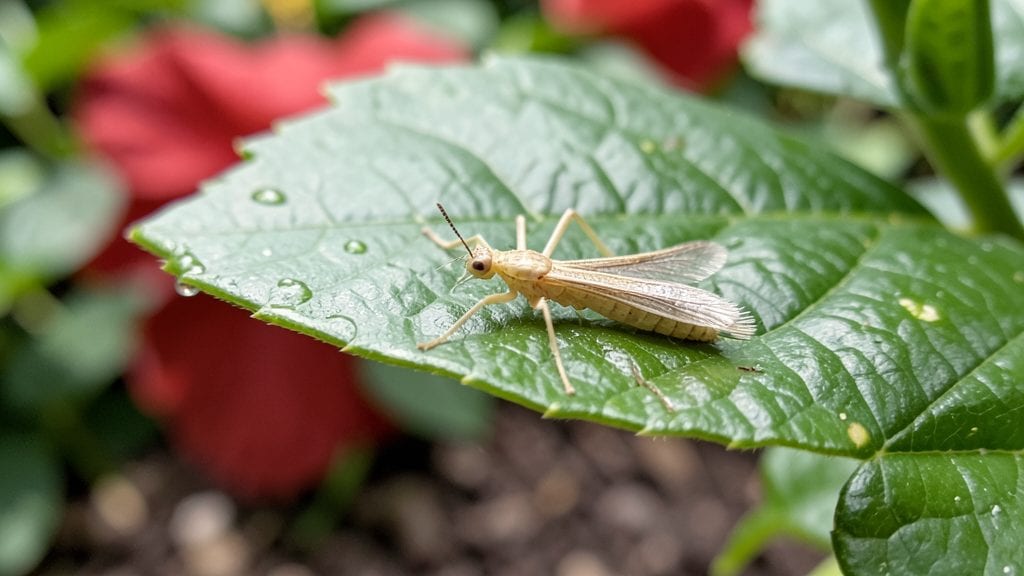
When thrips attack your hibiscus, those tiny black specks on leaves aren’t just unsightly—they sap plant strength faster than you’d think. 🌿 I’ve watched vibrant blooms turn into sad, stippled shadows in just two weeks, and I’ll show you how to reverse that damage before your plant gives up.
The key is acting fast with organic solutions that don’t harm pollinators or your soil.
Thrips thrive in dry, dusty conditions, so your hibiscus might be their perfect buffet if you’ve been skipping the hose or using too much chemical fertilizer.
I learned this the hard way after my first infestation—turns out, the sticky residue from neem oil was the real game-changer, not the fancy insecticide I tried first. You’ll need just three supplies: neem oil, insecticidal soap, and a fine spray bottle.
Within days of treatment, you’ll see new growth pushing through those damaged leaves, and the flowers will rebound with their usual bold colors. The secret is consistency: spray every 3-4 days until the little pests disappear, then keep an eye out for their return.
Your hibiscus will thank you with nonstop blooms all season.
Works for both backyard hibiscus and container plants, whether you’re dealing with a single bush or a whole border. Let’s get those leaves looking healthy again—fast.
Root Causes of Hibiscus Thrips
Thrips are tiny but mighty pests that can wreak havoc on your hibiscus plants, turning vibrant blooms into silvery, scarred messes. But why do these pests target hibiscus in the first place?
Understanding the why behind their infestation is the first step to stopping them. Below, we break down the key factors that make your hibiscus a thrips buffet—and how to address them.
Thrips love weak, stressed, or overcrowded plants because they’re easier to attack. Hibiscus plants under stress produce volatile organic compounds (VOCs), which act like a dinner bell to thrips. Here’s why this happens:
- Poor Air Circulation: Dense foliage or crowded plants trap moisture, creating a humid microclimate that thrips adore.
Stagnant air also makes it harder for natural predators (like ladybugs or lacewings) to patrol your plants. - Nutrient Deficiencies: When hibiscus lacks key nutrients (especially nitrogen, phosphorus, or potassium), it becomes more susceptible.
Weak plants can’t produce strong, thick leaves, making them easier targets for thrips’ piercing-sucking mouthparts. - Water Stress: Both overwatering (leading to root rot) and underwatering (causing drought stress) weaken hibiscus.
Thrips thrive in plants that are either too soggy or too dry, as both scenarios reduce the plant’s ability to fight off pests.
Actionable Fix: Prune your hibiscus to improve airflow, water deeply but infrequently (let the top inch of soil dry out between waterings), and fertilize with a balanced organic fertilizer (like fish emulsion or compost tea) to boost resilience.
Thrips are particularly drawn to new shoots, buds, and open flowers because these parts are rich in sugary sap—their favorite snack. Hibiscus plants produce new growth rapidly, especially in warm weather, making them a thrips magnet. Here’s the science:
- High Sugar Content: Young leaves and flower buds contain more soluble sugars than mature leaves, which thrips detect using their sensory pits (tiny receptors on their antennae). - Soft Tissue: New growth is softer and thinner, making it easier for thrips to pierce and feed without much resistance.
Mature leaves, on the other hand, have thicker cuticles that deter pests. - Pollinator Confusion: Hibiscus flowers attract pollinators like bees and butterflies, but they also attract thrips hitchhiking on these visitors. Once a few thrips land, they release pheromones to call in reinforcements.
Actionable Fix: Regularly prune spent blooms and new shoots to remove thrips hotspots. Consider yellow sticky traps near your hibiscus to intercept thrips before they reach the flowers. For severe cases, neem oil sprays (applied at dusk) can deter thrips without harming pollinators.
Thrips are warm-weather pests, and hibiscus thrives in heat—making your garden a perfect thrips paradise. Here’s how climate plays a role:
- High Temperatures (75–90°F): Thrips reproduce faster in heat, with females laying hundreds of eggs in just a few weeks.
Hibiscus in full sun (especially in arid climates) becomes a breeding ground. - Low Humidity: While thrips love humidity near plants, dry air actually helps them by reducing the activity of their natural enemies (like predatory mites).
Dry conditions also make hibiscus leaves more brittle, making them easier for thrips to damage. - Drought Stress: When hibiscus doesn’t get enough water, it produces more resinous compounds in its leaves, which can attract thrips looking for an easy meal.
Actionable Fix: Use mulch (like straw or wood chips) to retain soil moisture and regulate temperature. If your area is very dry, mist hibiscus leaves lightly in the morning to increase humidity slightly (but avoid evening watering to prevent fungal issues). Shade cloth can also help reduce extreme heat stress.
Thrips don’t always win—they have enemies, but many gardeners accidentally eliminate them. Here’s how imbalance leads to thrips outbreaks:
- Pesticide Overuse: Broad-spectrum chemical pesticides (like neonicotinoids) kill beneficial insects first, including lacewings, ladybugs, and parasitic wasps, which prey on thrips.
- Monoculture Gardening: Planting only hibiscus (or other thrips-loved plants like roses or beans) without diverse companion plants removes the habitat for predator insects.
- Urban or Sterile Environments: In cities or heavily treated landscapes, natural ecosystems are disrupted, leaving thrips with fewer checks and balances.
Actionable Fix: Introduce thrips predators like:
- Ladybugs (release them in the morning when it’s cool)
- Minute pirate bugs (tiny but voracious thrips hunters)
- Predatory mites (like Hypoaspis miles)
Plant companion flowers (like marigolds, alyssum, or dill) to attract beneficial insects. Avoid systemic pesticides—opt for targeted sprays (like insecticidal soap) instead.
Hibiscus plants have natural defenses, but poor health or environmental factors can weaken them, making thrips attacks more likely.
- Fungal or Bacterial Infections: Diseases like powdery mildew or bacterial blight create open wounds in leaves, which thrips exploit for feeding and egg-laying.
- Herbicide Drift or Soil Toxicity: If nearby weeds are sprayed with herbicides, residue can harm hibiscus roots, making the plant more vulnerable.
- Improper Pruning: Over-pruning or cutting too late in the season can shock the plant, reducing its ability to produce resin or secondary metabolites that deter pests.
Actionable Fix:
- Test your soil for pH and nutrient levels (ideal pH for hibiscus: 6.0–6.5).
- Apply compost or worm castings to boost microbial activity in the soil, which strengthens plant immunity.
- Avoid late-season pruning—stick to early spring or summer to promote healthy regrowth.
Quick Fixes for Tiny Pests
Thrips may be small, but their damage can feel huge—especially when your hibiscus blooms start looking ragged. The good news? You can tackle these pests effectively with a mix of targeted treatments and preventive habits.
Below, we’ll break down the best solutions based on the cause of your infestation, so you can act fast and keep your hibiscus thriving.
If you’ve spotted silver streaks on leaves, sticky residue (honeydew), or tiny black specks (frass), thrips are already causing damage. Act now with these fast-acting fixes:
🍳 Spray with Soapy Water (Best for Mild Infestations)
Thrips hate soap—it disrupts their waxy outer layer and suffocates them. How to do it:
- Mix 1 tablespoon of mild liquid soap (like Castile or dish soap) with 1 quart of water.
- Spray directly on the undersides of leaves (where thrips hide) and stems.
- Reapply every 3–4 days until the pests disappear.
- Pro tip: 💡 Use a hose attachment for better coverage—thrips love tight spots!
👨🍳 Neem Oil Spray (Kills Eggs & Adults)
Neem oil is a powerhouse for breaking the thrips life cycle.
It’s organic, safe for plants (when used correctly), and works on eggs, nymphs, and adults. How to do it: - Mix 1 teaspoon of neem oil + ½ teaspoon of mild soap with 1 quart of water. - Shake well and spray thoroughly, focusing on new growth and leaf undersides. - Apply every 5–7 days for 2–3 weeks to starve out remaining pests. - Warning: 🌡️ Avoid spraying in direct sunlight (it can burn leaves)—do it in the early morning or evening.
🥘 Yellow Sticky Traps (Monitor & Trap Adults)
If thrips are flying around, traps can help reduce their numbers while you treat the plant. How to do it:
- Hang yellow sticky cards near your hibiscus (thrips are attracted to yellow).
- Place them 1–2 feet above the plant for best results.
- Check traps every 2–3 days and replace when full.
- Bonus: 🎯 This also helps you track progress—fewer thrips stuck = your treatments are working!
Once you’ve kicked thrips out, keep them from coming back with these long-term strategies:
🔪 Prune & Clean Up Debris
Thrips love hidden spots—old leaves, flower debris, and overcrowded branches give them shelter. How to do it:
- Remove all fallen leaves, spent blooms, and dead growth from the base of your hibiscus.
- Trim back overgrown branches to improve airflow (thrips thrive in humid, stagnant areas).
- Dispose of pruned material in a sealed bag—don’t compost it if thrips are present!
🌿 Encourage Beneficial Predators
Nature’s free pest control? Ladybugs, lacewings, and minute pirate bugs eat thrips! How to attract them:
- Plant companion flowers like marigolds, dill, or alyssum near your hibiscus.
- Avoid chemical pesticides (they kill beneficial bugs too).
- Release ladybugs (available at garden centers) for a quick boost.
🛡️ Use Row Covers or Netting (For Outdoor Hibiscus)
If your hibiscus is outside, physical barriers can block thrips before they land. How to do it:
- Drape fine mesh netting over young plants or newly planted hibiscus.
- Secure it tightly to prevent thrips from crawling underneath.
- Remove covers during pollination (if growing for flowers) to allow bees access.
If thrips keep coming back, try these advanced tricks:
| Problem | Solution |
|---|---|
| Heavy infestation | Mix neem oil + kaolin clay for extra protection (clay creates a barrier). |
| Thrips in pots | Repot in fresh soil and rinse the old pot to remove hidden pests. |
| Indoor hibiscus? | Increase air circulation with a small fan (thrips dislike airflow). |
| Chemical-free urgency | Diatomaceous earth (DE)—sprinkle lightly on soil (avoid direct leaf contact). |
Final Reminder: Consistency is key! Thrips reproduce fast, so stick to your treatment schedule until you’ve seen no new damage for 2–3 weeks. With these methods, your hibiscus will be thrip-free and blooming beautifully in no time! 🌸
Frequently asked questions
How do I tell if my hibiscus has thrips?
Look for tiny black or brown specks (thrips themselves) on leaves, especially undersides, and watch for silvery streaks or black frass (droppings). You may also spot sticky honeydew on leaves or flower buds—this attracts sooty mold. Check new growth first, as thrips love tender leaves.
Will thrips kill my hibiscus plant?
While thrips won't kill hibiscus outright, severe infestations can stunt growth, cause leaf drop, and prevent blooming. The real danger is secondary infections from honeydew. Act fast—within 1-2 weeks of treatment, you should see new healthy growth pushing through damaged areas.
Can I use neem oil if I have bees visiting my hibiscus?
Yes, but apply neem oil at dusk when bees are less active. Avoid spraying flowers directly—focus on leaf undersides and stems. The oil breaks down quickly in sunlight, so morning applications are safer for pollinators. Always use cold-pressed neem oil (not refined) for best results.
How often should I check my hibiscus for thrips?
Inspect your plants weekly during warm months (thrips peak in summer). Pay special attention after rain or when introducing new plants. Early detection is key—thrips multiply rapidly, so catch them before they spread to buds and flowers where they cause the most damage.
Why do thrips keep coming back after treatment?
Thrips often return due to hidden eggs in soil or plant debris, or from nearby infected plants. Improve airflow by pruning, remove all plant debris, and use yellow sticky traps to catch adults. For persistent cases, rotate treatments between neem oil and insecticidal soap every 5-7 days.