Diseases
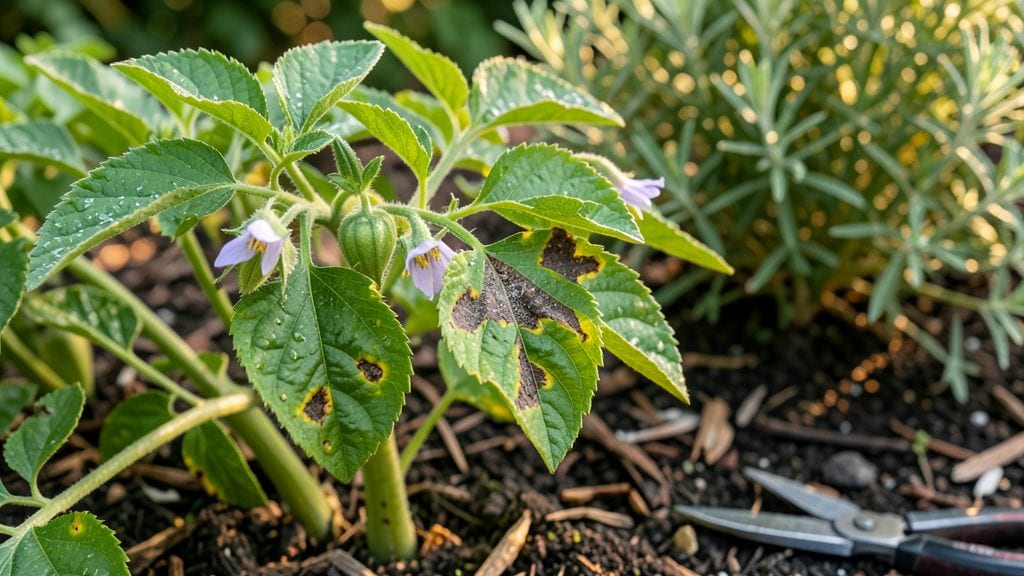
Tomatillo plant diseases like bacterial spot and powdery mildew can turn your harvest into a sad, spotted mess—unless you catch them early. 🌱 I’ve lost entire batches to fungal infections, but I’ve also saved plants by acting fast with simple organic fixes that actually work.
The key is spotting the signs before they spread: yellowing leaves, dark spots, or that weird white dust on stems.
Most problems start with poor airflow or wet foliage, which is why spacing plants 18-24 inches apart and avoiding overhead watering makes all the difference.
I swear by a mix of neem oil and baking soda spray for early signs of mildew—it’s cheap, effective, and won’t poison your soil or your family. The trick is consistency: spray every 7-10 days during humid weather.
When you see those ugly black spots or mushy stems, don’t panic—prune infected leaves immediately and toss them in the trash (not compost).
For stubborn cases, a copper fungicide spray (like Bonide Copper Fungicide) can be a game-changer, but I’ve had better luck with homemade remedies when I catch it early. Your goal is to keep the plant healthy enough to rebound.
Prevention is easier than cleanup, so focus on sanitizing tools, rotating crops, and choosing disease-resistant varieties like ‘Purple’ or ‘Green Sage.’ With these steps, you’ll go from stressed-out gardener to confident tomatillo grower—no more mystery diseases ruining your salsa ingredients.
Root Causes Behind Tomatillo Troubles
Tomatillo plants, with their delicate green husks and vibrant salsa potential, aren’t immune to nature’s sneaky foes. Understanding why these diseases strike is the first step to protecting your harvest. Let’s break down the science behind the most common threats—and how environmental and human factors set the stage for trouble.
Fungal diseases like Phytophthora blight and Alternaria leaf spot thrive in moisture-laden air or soggy soil. Here’s why:
- Fungal spores love dampness: High humidity (above 75%) creates the perfect breeding ground for fungal pathogens. Spores germinate and spread rapidly when leaves stay wet for prolonged periods—think morning dew, overhead watering, or poor air circulation.
- Waterlogged soil: Tomatillos prefer well-draining soil, but compacted or poorly amended earth traps excess moisture. Phytophthora, a water mold, attacks roots in saturated conditions, cutting off nutrient uptake and leading to wilting or sudden death.
- Nighttime dew: If your plants are in a low-lying area or shaded spot, dew lingers longer, increasing infection risk. Fungal spores splash onto leaves from soil or infected debris during rain or watering.
Pro Tip: 💡 Space plants 18–24 inches apart to improve airflow, and water at the soil base (not overhead) in the early morning. Mulch with straw to reduce soil splashing.
Bacterial and fungal pathogens often hitchhike from one plant to another—or even from last season’s garden. Here’s how:
- Infected plant debris: Leaving behind diseased leaves, stems, or husks in the soil or compost pile preserves pathogens over winter. Xanthomonas (bacterial spot) and Septoria (leaf spot) can survive for years in organic matter.
- Contaminated pruners or gloves: Tools used on infected plants transfer bacteria or fungal spores to healthy ones. Even a tiny cut can serve as an entry point for Pseudomonas bacteria.
- Cross-contamination from other crops: If you’ve grown tomatoes, peppers, or eggplants nearby, shared pathogens like Fusarium wilt can jump to tomatillos through soil or shared pests.
Pro Tip: ✨ Sterilize tools with a 10% bleach solution (1 part bleach to 9 parts water) between uses, and remove all plant debris at season’s end. Rotate crops annually to break disease cycles.
Tomatillos are tropical at heart but struggle when temperatures swing too high or too low. Here’s how heat and stress invite disease:
- Heat stress weakens defenses: Prolonged temperatures above 90°F (32°C) cause leaf scorch and stunted growth, making plants more susceptible to Alternaria and Cercospora leaf spots. High heat also reduces humidity tolerance, accelerating fungal spread.
- Cold snaps and transplant shock: Young tomatillo seedlings exposed to temperatures below 50°F (10°C) suffer from damping-off, a fungal disease that rots stems at the soil line. Even mature plants may develop early blight if nighttime temps drop suddenly.
- Poor heat acclimation: Starting seeds indoors and transplanting too early can shock roots, reducing their ability to fight off Phytophthora or Pythium in warm, moist soil.
Pro Tip: 🌡️ Harden off seedlings gradually by exposing them to outdoor conditions for 1–2 weeks before transplanting after the last frost. Use shade cloth during heatwaves to protect mature plants.
Insects and mites don’t just nibble—they open doors for diseases. Here’s the connection:
- Sap-sucking pests: Aphids, whiteflies, and spider mites feed on plant sap, weakening cell walls and creating wounds. These injuries let Xanthomonas bacteria slip in, causing bacterial spot.
- Chewing insects: Hornworms, flea beetles, and cutworms create ragged holes or severed stems. Fusarium or Verticillium wilt fungi exploit these openings to invade vascular tissue.
- Nematodes in the soil: Microscopic roundworms damage roots, making them more vulnerable to Phytophthora. Infested soil also harbors more disease-causing microbes.
Pro Tip: 🔥 Monitor plants for pests weekly, and use neem oil or insecticidal soap to control infestations before they cause damage. Interplant with basil or marigolds to deter pests naturally.
Imbalances in soil nutrients can cripple tomatillo plants, making them easy targets for disease. Here’s how:
- Nitrogen deficiency: Yellowing leaves (chlorosis) signal a lack of nitrogen, weakening the plant’s immune response. Alternaria and Septoria exploit this vulnerability, thriving on stressed foliage.
- Excess phosphorus or potassium: Over-fertilizing can burn roots or disrupt microbial balance in the soil, creating conditions where Fusarium or Pythium flourish.
- Calcium or magnesium shortages: These minerals strengthen cell walls. Without them, plants develop blossom-end rot (a bacterial/fungal entry point) or weak stems prone to damping-off.
Pro Tip: 📊 Test soil pH (ideal: 6.0–7.0 for tomatillos) and amend with compost or balanced organic fertilizer (e.g., 5-5-5). Avoid synthetic fertilizers high in salts.
Quick Fixes for Tomatillo Troubles
When your tomatillo plants show signs of stress, acting fast can save your harvest—and your sanity! Below are practical, organic solutions tailored to the most common diseases, along with prevention tips to keep your plants thriving. Think of this as your emergency guide for a healthy tomatillo garden.
Fungal diseases like early blight, late blight, and powdery mildew thrive in damp conditions. Here’s how to treat and prevent them:
🔥 Remove and Replace Infected Leaves
- 🍳 Step 1: Snip off yellow or brown leaves (especially lower ones) with sterilized scissors (wipe with rubbing alcohol between cuts).
- 👨🍳 Step 2: Dispose of them in the trash not the compost—fungi can survive and reinfect.
- 🌡️ Pro Tip: Do this in the morning so leaves have time to dry before evening moisture sets in.
🌧️ Improve Airflow and Drainage
Fungi love humidity. Break their habitat with these tweaks:
- ✨ Space plants 18–24 inches apart (crowding = fungal buffet).
- 💡 Elevate soil with compost or mulch (but keep mulch 3–4 inches away from stems to prevent rot).
- 🎯 Water at the base (never overhead) and early in the day so foliage dries quickly.
🧴 Organic Fungicides That Work
Mix one of these DIY sprays and apply every 7–10 days (or after rain):
| Solution | How to Make It | When to Spray |
|---|---|---|
| Baking Soda Spray | 1 tsp baking soda + 1 tbsp neem oil + 1 tsp mild soap + 1 gallon water. Shake well. | Early morning, avoid direct sun. |
| Copper Fungicide | 1 tbsp copper sulfate + 1 gallon water (or use store-bought organic copper spray). | At dusk to avoid leaf burn. |
| Milk Spray | 1 part milk (skim or whole) + 9 parts water. | Weekly, especially after rain. |
⚠️ Warning: Test sprays on a small leaf first—some plants (like tomatoes) can be sensitive to copper.
Bacterial spots and cankers (Xanthomonas, Pseudomonas) spread through water splashes and tools. Prevention is your best weapon—here’s how to fight back:
🔪 Prune Aggressively (But Carefully)
- 🍳 Step 1: Cut out all infected leaves/stems below the lesion (bacteria lurk in plant sap!).
- 🔪 Step 2: Sterilize pruners with 70% isopropyl alcohol or a 10% bleach solution (1 part bleach to 9 parts water).
- 🌡️ Pro Tip: Avoid pruning when leaves are wet—wait for dry weather.
🚰 Sanitize Everything
Bacteria hitchhike on tools, hands, and even rainwater. Break the cycle:
- 💡 Wash hands with soapy water before and after gardening.
- ✨ Disinfect tools after each use (even if you’re just moving to another plant).
- 🎯 Use a drip irrigation system or soaker hoses to avoid splashing bacteria onto leaves.
🧴 Copper-Based Sprays (Again!)
Bacteria hate copper. Reapply every 5–7 days or after rain:
- 🍳 DIY Copper Spray: 2 tbsp copper sulfate + 1 tsp liquid soap + 1 gallon water.
- 👨🍳 Store-Bought Option: Look for organic copper fungicides (like Copper Soap).
💡 Bonus: Add 1 tbsp hydrogen peroxide (3%) per gallon of water to your spray for extra antibacterial power.
The best cure? A healthy plant that fungi and bacteria can’t touch. Follow these year-round habits to stay ahead:
🌿 Start with Strong Starts
- 💡 Buy disease-resistant varieties (e.g., ‘Purple Stem’ or ‘Green Sage’ tomatillos).
- 🌱 Plant in well-draining soil (amend with compost or perlite if needed).
- ✨ Rotate crops—don’t plant tomatillos (or nightshades) in the same spot for 3+ years.
🌧️ Master Water Wisdom
- 🎯 Water deeply but infrequently (1–1.5 inches per week, more in heat).
- ⏰ Aim for morning watering—wet leaves dry by evening, deterring fungi.
- 🚫 Avoid overhead watering (use drip lines or hand watering at the base).
🧹 Garden Hygiene Non-Negotiables
- 🔪 Clean up debris (fallen leaves, stems) weekly—fungi and bacteria love hiding here.
- 💡 Sterilize containers if starting seeds (soak in 1 part bleach to 9 parts water for 10 mins, rinse).
- 🌡️ Mulch strategically—use straw or grass clippings (not wood chips, which can harbor fungi).
🎯 Final Reminder: Catching problems early makes treatment 10x easier. Check your plants 2–3 times a week for spots, wilting, or odd growth. With these fixes, your tomatillos will stay happy, healthy, and ready for salsa season! 🌶️🔥
Frequently asked questions about tomatillo plant diseases
What are the most common diseases affecting tomatillo plants?
The top culprits are powdery mildew (white dusty coating), bacterial spot (black/yellow leaf spots), early blight (concentric brown spots), and Phytophthora root rot (wilting, yellowing). Fungal issues dominate when humidity stays high, while bacterial problems spread through water splashes and tools.
How do I tell if my tomatillo leaves have powdery mildew vs. nutrient deficiency?
Powdery mildew appears as a white, powdery film on upper leaves, often starting between veins. Nutrient deficiency (like nitrogen lack) causes uniform yellowing (chlorosis) starting at leaf edges. The key difference? Mildew stays on the surface while deficiency affects leaf tissue structure. Test with a gentle finger rub—mildew wipes off easily.
Can I save a tomatillo plant with bacterial spot if it's already showing symptoms?
Early action improves odds! Prune all infected leaves (sterilize tools first), then spray with copper fungicide every 5-7 days. Remove plants from compost piles to prevent reinfection. For severe cases, consider replacing heavily infected plants—bacterial spot spreads rapidly through sap. Prevention (drip irrigation, tool sanitation) is always better than cure.
Why does my tomatillo plant keep getting diseases even after I treat it?
Persistent issues usually stem from three factors:
- Fungal spores hiding in soil/debris,
- Poor airflow from overcrowding, or
- Reusing contaminated tools. Rotate crops annually, improve spacing (18-24 inches apart), and sterilize everything between uses. Soil solarization (covering beds with clear plastic for 4-6 weeks) can kill lingering pathogens.
Are there disease-resistant tomatillo varieties I should consider?
Yes! Look for 'Purple Stem' or 'Green Sage' varieties, which show better resistance to common fungal diseases. While no variety is completely immune, these perform better in humid conditions. Always pair resistant varieties with proper spacing and airflow to maximize their natural defenses.