Pests
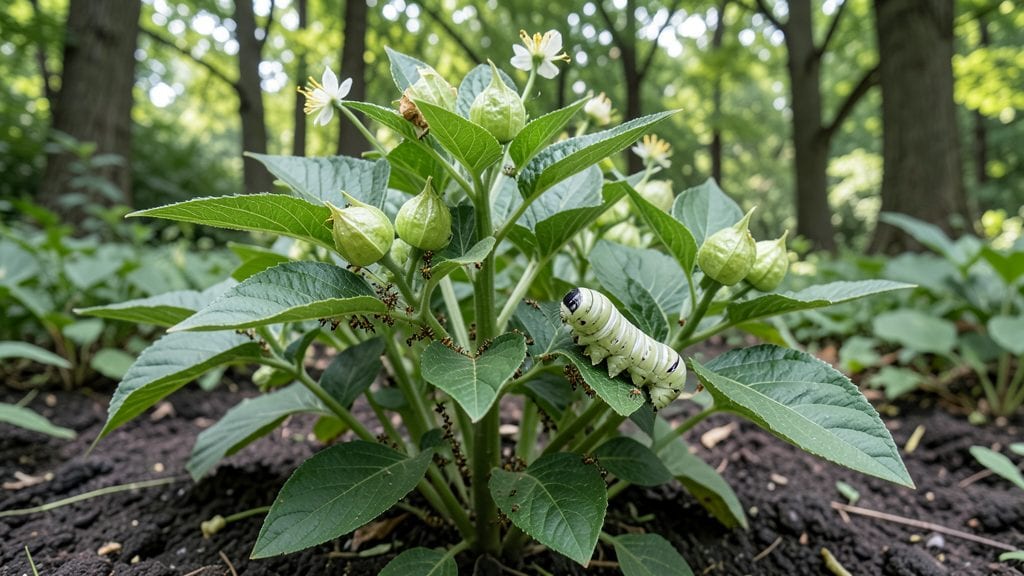
Tomatillo pests can turn your lush green plants into skeleton leaves overnight—if you don’t catch them early. 🌿 I’ve seen aphids drain sap so fast that entire clusters shrivel before you notice, and those tiny whiteflies?
They’ll blanket your plants like snow if you ignore them. The good news? Most of these invaders leave obvious clues—sticky residue, chewed leaves, or tiny eggs—so you can act before your harvest suffers.
Your first line of defense is regular scouting, especially after rain or when plants are stressed. Check the undersides of leaves (hornworms love to hide there), shake plants over a white tray to spot mites, and watch for webs or black sooty mold—all red flags.
The key is acting fast: a few blasts of soapy water or neem oil can stop an aphid outbreak before it spreads, while handpicking hornworms (yes, really) works better than sprays for heavy chewers.
Healthy plants fight pests better than any spray. Focus on consistent watering (keep roots moist but never soggy) and balanced fertilizer—overfeeding leads to tender growth that attracts pests. I’ve found that companion planting with basil or marigolds deters whiteflies, while pruning for airflow reduces fungal issues that weaken plants.
Even a light mulch layer keeps soil pests like cutworms away from young seedlings.
When infestations get out of hand—think entire leaves skeletonized or plants wilting despite care—it’s time to escalate. Start with pyrethrin sprays for caterpillars, then move to kaolin clay for whiteflies if needed.
If your plants look like they’re in a warzone and nothing’s working, call a local extension service—they’ll know if you’re dealing with something regional (like the tomato pinworm) that needs targeted help.
Root Causes Behind Tomatillo Troubles
Understanding why pests target your tomatillo plants is the first step in protecting your harvest. These issues often stem from a mix of environmental, biological, and even human factors. Let’s break down the key reasons your plants might be under siege—and how these conditions create the perfect storm for pests.
Tomatillo plants thrive when they have room to breathe, but when they’re packed too closely together, humidity levels rise and airflow slows to a crawl.
This damp, stagnant environment is a magnet for: - Fungal diseases (like early blight) that attract sap-sucking pests such as aphids and whiteflies. - Soil-borne pests like root-knot nematodes, which flourish in dense, poorly aerated soil. - Slugs and snails, which hide in the shaded, moist microclimates created by overcrowding.
Why it matters: Poor spacing weakens plants, making them easier targets for pests that thrive on stressed vegetation. A single infested plant can quickly spread problems to its neighbors.
Tomatillos prefer consistent moisture but hate soggy roots. When soil stays too wet—whether from:
- Overwatering (especially in containers or heavy clay soil),
- Frequent rain without mulch to regulate moisture, or
- Improper drainage (like planting in low-lying areas)—
you create the ideal conditions for:
- Soft-bodied pests like aphids and thrips, which love the sugary honeydew excreted by fungal-infected plants.
- Fungal gnats, whose larvae feast on decaying organic matter in waterlogged soil.
- Wireworms and cutworms, which burrow into damp, decomposing plant matter.
Why it matters: Excess moisture stresses plants, making them produce more sugars in their leaves—a buffet for hungry pests. It also weakens their natural defenses, like thick cuticles or bitter compounds that deter herbivores.
Pests aren’t just drawn to weak plants—they’re also attracted to nutrient-rich environments.
When your tomatillos lack key nutrients, they become: - More susceptible to secondary infections (e.g., powdery mildew), which then attract pests like spider mites. - Less able to produce defensive compounds (like alkaloids or tannins), making them easier prey for caterpillars (e.g., tomato hornworms) and beetles (e.g., flea beetles).
Common triggers:
- Nitrogen deficiency → Stunted growth = easier access for pests.
- Potassium deficiency → Weak stems = more vulnerable to chewing insects.
- Phosphorus deficiency → Slower root development = less resilience against soil-dwelling pests.
Why it matters: A balanced diet keeps plants strong and resilient. For example, calcium-rich soil helps prevent blossom-end rot, which can attract fruit flies drawn to rotting tissue.
Tomatillo plants aren’t just prey—they’re part of a delicate ecosystem. When your garden lacks natural pest controllers, invaders move in unchecked.
Common culprits include: - Aphids (which thrive when ladybugs or lacewings are absent). - Whiteflies (which explode in numbers when parasitic wasps aren’t around). - Cutworms (which go unchecked without ground beetles or birds).
Why it matters: A healthy garden is a balanced one. Monocropping tomatillos (or planting them in isolation) disrupts this balance, leaving them vulnerable to outbreaks.
Pests love unstable conditions.
Sudden changes—like: - Heatwaves (which stress plants, making them produce more volatile organic compounds that attract pests), - Cold snaps (which weaken plants and encourage overwintering pests like tomato fruitworms), - Frost damage (which creates entry points for bacterial and fungal pests like septoria leaf spot),
can turn your tomatillos into a pest buffet.
Why it matters: Temperature swings disrupt plant immunity, making them more attractive to opportunistic feeders. For example, thrips are more active in dry, hot conditions, while slugs thrive in cool, damp nights.
While pesticides can help, overusing them (or using broad-spectrum chemicals) can backfire by:
- Killing beneficial insects (like predatory mites or hoverflies), leaving your plants defenseless.
- Leaving toxic residues that attract pests adapted to chemical stress (e.g., neonicotinoid-resistant aphids).
- Disrupting soil microbes, which weaken plant roots and make them more vulnerable to root-feeding pests.
Why it matters: A chemical-free or integrated pest management (IPM) approach preserves the natural defenses of your tomatillos, making them less appealing to invaders.
Some plants unintentionally invite pests to your tomatillos.
For example: - Basil (which attracts whiteflies that then move to tomatillos). - Marigolds (which can repel some pests but also attract aphids if overused). - Nightshade family plants (like peppers or eggplants), which share pests like hornworms and fruit flies.
Why it matters: Pest mobility means a single bad neighbor can turn your entire garden into a pest hotspot. Strategic companion planting (e.g., nasturtiums to deter aphids) can help.
Pests don’t attack healthy, balanced tomatillo plants—they target weakness. By addressing spacing, moisture, nutrition, biodiversity, and environmental stress, you remove the invitation and make your garden a less appealing (and more resilient) option for invaders. 🚀
Quick Fixes for Tomatillo Plant Pests
If your tomatillo plants are under siege, don’t panic—most pest problems can be tackled with targeted, practical solutions. Below, we’ve mapped out cause-specific fixes, from organic sprays to cultural tweaks, plus prevention tips to keep your plants thriving.
Think of this as your pest-fighting toolkit—pick the right weapon for the job!
Fix: These tiny green or black bugs cluster on new growth, leaving sticky residue (aka "honeydew"). Knock them off with these steps:
- 🔥 Blast ‘Em Away: Spray plants with a strong stream of water (early morning works best). Repeat every 2–3 days until gone. - 🍳 Soap Suds Solution: Mix 1 tbsp mild liquid soap + 1 quart water in a spray bottle.
Test on a small leaf first—aphids hate it! - 👨🍳 Ladybugs to the Rescue: Release beneficial insects like ladybugs or lacewings (available at garden centers). They love munching aphids.
💡 Prevention Tip: Encourage healthy airflow between plants—aphids thrive in crowded, damp conditions.
Fix: These white, moth-like pests flutter when disturbed and weaken plants with their saliva. Shake ‘em loose with these moves:
- 🥘 Yellow Sticky Traps: Hang yellow sticky cards near plants to trap adults. Replace weekly. - 🔪 Neem Oil Spray: Mix 1 tbsp neem oil + 1 tsp mild soap + 1 quart water.
Spray under leaves (where they hide) every 5–7 days. - 🌡️ Heat Treatment: For severe infestations, cover plants with a plastic bag (secured at the base) for 24 hours under sunny conditions. The heat kills them!
🎯 Prevention Tip: Reflective mulch (like aluminum foil) can deter whiteflies—try wrapping it around the base of plants.
Fix: These caterpillars slice stems at ground level, toppling young plants overnight. Stop them with these barriers:
- 🔪 Collar Defense: Wrap cardboard collars (3–4 inches tall) around stems at planting time. Bury the bottom 1 inch. - 🥘 Diatomaceous Earth: Sprinkle food-grade DE around the base (reapply after rain).
It’s harmless to you but deadly to worms. - 🌙 Flashlight Patrol: Shine a light at dusk—cutworms will uncurl and become easy targets for the birds (or your hands).
✨ Prevention Tip: Avoid overwatering—cutworms love moist soil. Water in the morning so soil dries faster.
Fix: These green, striped caterpillars can devour a plant in days. Hunt them down with these tactics:
- 🔪 Hand-Picking: Check leaves daily (especially at night). Drop them into soapy water—they’re easy to spot! - 🍳 Bacillus thuringiensis (Bt): Spray Bt (a natural bacteria) on leaves.
It’s safe for humans but kills hornworms’ stomachs. - 🐦 Encourage Birds: Install a bird feeder nearby—birds adore snacking on hornworms.
💡 Prevention Tip: Plant basil nearby—its scent repels hornworms while attracting pollinators.
Fix: These black, flea-like beetles chew tiny holes in leaves, causing a swiss-cheese effect. Outsmart them with these tricks:
- 🥘 Row Covers: Use floating row covers (lightweight fabric) to block adults from laying eggs.
- 🔪 Kaolin Clay: Sprinkle kaolin clay (a natural mineral) on soil and leaves. It creates a protective film that beetles avoid.
- 🌡️ Trap Crops: Plant nasturtiums nearby—flea beetles prefer them over tomatillos.
🎯 Prevention Tip: Rotate crops yearly—flea beetles return to the same spot if they find a buffet.
Fix: While not insects, fungal pests (like powdery mildew) can strangle your plants. Fight back with these organic fixes:
- 🌿 Baking Soda Spray: Mix 1 tsp baking soda + 1 quart water + a few drops of soap.
Spray every 7–10 days. - 🍳 Copper Fungicide: Use copper-based sprays (like copper sulfate) for early blight—follow label instructions. - 🌡️ Improve Airflow: Space plants 12–18 inches apart and prune lower leaves to reduce humidity.
💡 Prevention Tip: Water at the base (not overhead) and harvest promptly—wet leaves = fungal paradise.
No matter the pest, these habits keep tomatillos healthy and resilient:
- 🌱 Healthy Soil: Amend soil with compost before planting—strong plants resist pests better.
- 🌿 Companion Planting: Pair tomatillos with onions, garlic, or marigolds to repel pests naturally.
- 🔍 Regular Scouting: Check plants weekly (especially undersides of leaves) for early signs of trouble.
- 🌞 Sun & Space: Ensure full sun (6+ hours/day) and proper spacing—crowded plants attract pests.
Remember: The key is consistency. A little effort now saves big headaches later—and a bountiful harvest! 🍅✨
Frequently asked questions
What are the first signs that my tomatillo plants have pests?
Look for sticky residue (honeydew) on leaves, chewed edges, or tiny white eggs on undersides. Aphids leave curled leaves, while whiteflies flutter when disturbed. Check stems for cutworm damage (clean cuts) or hornworm droppings (green frass). Early detection is key—act within 3-5 days to prevent spread.
Can I use chemical pesticides on tomatillo plants?
Only as a last resort! Start with organic sprays like neem oil or insecticidal soap. If pests persist, try pyrethrin-based sprays (derived from chrysanthemums) for caterpillars. Avoid systemic pesticides—they harm beneficial insects and can contaminate your harvest. Always follow label instructions.
How do I prevent pests from returning next season?
Focus on soil health, crop rotation, and companion planting. Amend soil with compost, plant marigolds or basil nearby, and rotate planting locations yearly. Remove all plant debris after harvest (pests overwinter in dead leaves!). Mulch with straw to deter soil pests like cutworms.
Are there any pests that specifically target tomatillo fruits?
Yes! Watch for fruit flies (tiny maggots in ripening tomatillos) and tomato pinworms (white caterpillars inside fruit). To prevent: harvest promptly and use yellow sticky traps near plants. For existing infestations, remove affected fruits immediately and dispose of them in sealed bags.
Why do my tomatillo plants get pests more often than other vegetables?
Tomatillos are soft-stemmed and high in sugars, making them prime targets. Poor airflow (from overcrowding) and excess moisture (from overwatering) create ideal pest conditions. Unlike tougher crops, tomatillos can’t handle stress well—pests exploit this weakness. Keep plants 12-18 inches apart and water at the base.