Pests
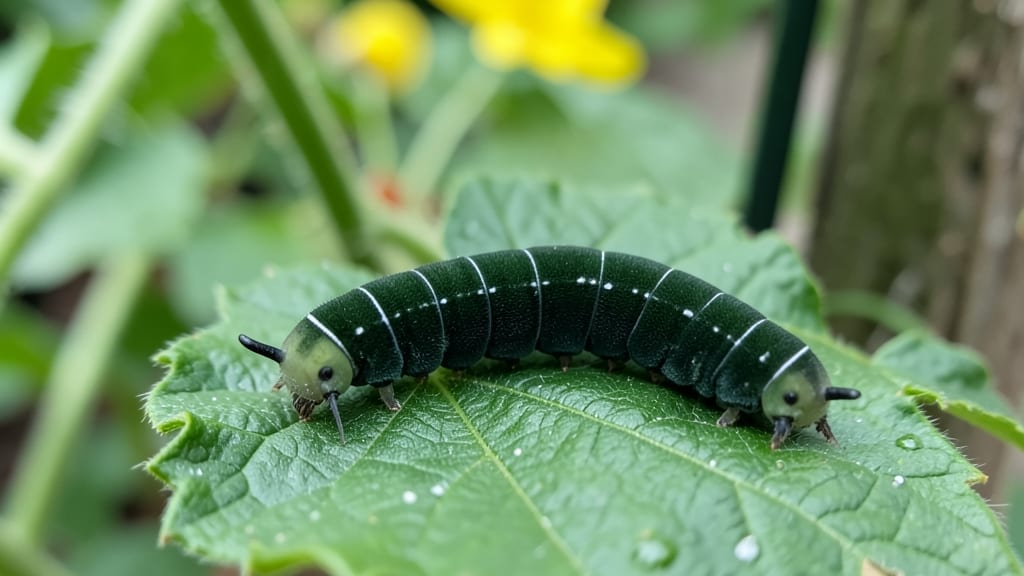
When you spot tomato plant grubs munching on roots, your first instinct might be to reach for harsh chemicals—but that’s exactly what weakens your plants in the long run.
I’ve saved dozens of tomato plants from these sneaky white larvae by using targeted, organic methods that protect both your harvest and the soil. The key is acting fast: these grubs chew through roots overnight, turning a healthy plant into a sad, wilted shadow in just days.
Most gardeners don’t realize these grubs are actually the larvae of beetles, not worms or maggots. They thrive in moist, organic-rich soil, which is why raised beds or containers can sometimes be safer.
The damage looks like sudden wilting, even when the soil stays damp—roots get shredded from the inside out. My breakthrough came when I switched from broad-spectrum sprays to a two-pronged approach: hand-picking and introducing natural predators like nematodes, which are invisible but devastating to grubs.
By the time you’re done, your tomato plants will bounce back with stronger roots and fewer setbacks. You’ll spot fewer grubs in the soil, and your plants will start putting energy into vines and fruit instead of repair work.
The best part? These methods work whether you’re dealing with a single plant or your entire garden. Let’s get those roots back in fighting shape without harming the ecosystem.
This works year-round, but timing matters most in late spring through early summer when grubs are most active. For container growers, a simple soil drench with beneficial microbes can create an unwelcoming environment for them.
The secret isn’t fancy—it’s observing, acting quickly, and letting nature do the heavy lifting. Your tomatoes will thank you at harvest time.
The Hidden Invaders Behind Damaged Tomato Plants
Tomato grubs aren’t just a nuisance—they’re stealthy destroyers that can turn your thriving garden into a chewed-up disaster. Understanding why these pests target your tomato plants is the first step in outsmarting them. Below, we break down the key triggers that turn your garden into their all-you-can-eat buffet.
🌱 Soil Conditions That Attract Grubs
Grubs, particularly those from beetles like the Japanese beetle or June beetle, thrive in specific soil environments. Here’s why your tomato patch might be a magnet:
- Rich, Loamy Soil: Grubs love well-draining, nutrient-rich soil because it’s easier for their larvae to burrow and feed. If your garden has composted organic matter or aged manure, it’s basically a five-star hotel for them. Pro tip: While organic matter is great for plants, avoid over-amending areas where grubs are already active.
- Moisture Retention: Grubs need moisture to survive, and tomato plants—especially those in containers or heavy clay—can create the perfect damp conditions. Overwatering or poor drainage turns your soil into a grub paradise. Solution: Improve drainage with sand or gravel mixes if your soil holds too much water.
- Compacted or Disturbed Soil: Tilling or heavy foot traffic can expose grubs to the surface, where they’re more vulnerable to predators—but it also disturbs their egg-laying sites. Beetles prefer to lay eggs in loose, undisturbed soil, so frequent digging can increase their activity.
🐛 Beetle Life Cycles and Timing
Grubs don’t just appear—they’re the offspring of adult beetles with very specific schedules. Here’s how timing plays a role:
- Peak Egg-Laying Seasons: Most beetles (like June beetles) lay eggs in late summer to early fall, while others (like Japanese beetles) do so in June–July. If your tomatoes are planted during or after these periods, you’re more likely to see grubs after the beetles are gone—making the damage harder to trace.
- Warmth Triggers Hatching: Grubs hatch when soil temperatures reach 60–70°F (15–21°C). If your growing season aligns with this window, expect a surge in activity as larvae emerge to feast on roots.
- Adult Beetles Seek Tomato Plants: Mature beetles are drawn to healthy, flowering tomato plants because they’re easy targets. Once they feed on leaves or flowers, females lay eggs near the base—right where roots are most vulnerable.
🍅 Plant Health and Grub Appeal
Not all tomato plants are equally attractive to grubs. Weak or stressed plants unintentionally signal that they’re easy prey:
- Over-Fertilized Plants: Too much nitrogen (common in fast-acting fertilizers) makes tomato plants grow soft, tender roots—a grub’s dream. Fix it: Use balanced fertilizers (like 10-10-10) and avoid excessive nitrogen.
- Water-Stressed Roots: Grubs target plants that are underwatered or overwatered, as stressed roots release chemical signals that attract pests. Solution: Maintain consistent moisture (1–2 inches of water per week) to keep roots healthy.
- Young or Transplanted Tomatoes: Newly planted tomatoes have fragile root systems, making them prime targets. Grubs can devour roots overnight if the plant isn’t established.
🌿 Neighboring Plants and Habitat
Grubs don’t work alone—they’re part of a larger ecosystem. What’s growing around your tomatoes can either repel or attract them:
- Grass and Weeds: Many beetles lay eggs in grassy areas or clover patches near gardens. If your tomato patch borders a lawn, grubs can migrate in as they search for roots.
- Host Plants for Adult Beetles: Beetles like roses, grapes, and raspberries often live near tomato plants. If these are in your garden, you’ll see more beetle activity—and thus, more grubs.
- Lack of Natural Predators: Birds, toads, and beneficial nematodes keep grub populations in check. If your garden lacks these, grubs multiply unchecked. Action step: Encourage predators with birdhouses, shallow water sources, or nematode treatments.
Now that you know why grubs target your tomatoes, the next step is how to stop them. Stay tuned for organic removal methods that protect roots while keeping your plants thriving!
Quick Fixes for Tomato Grubs
Discovering grubs munching on your tomato plants can be frustrating, but the good news is that you can tackle the problem effectively without resorting to harsh chemicals. Below, we’ve mapped out practical solutions tailored to the most common causes—whether it’s overwatering, poor soil health, or attracting pests.
Each fix is designed to be easy to implement and gentle on your plants’ roots.
If your tomato plants are soggy from overwatering or compacted soil, grubs will thrive in the damp, oxygen-deprived conditions. Here’s how to dry things out and deter them:
- 💧 Reduce Watering: Let the top 1–2 inches of soil dry out between waterings. Use a moisture meter or stick your finger in the soil to check—if it’s damp past your first knuckle, wait a day or two.
- 🌱 Improve Drainage: Amend the soil with coarse sand, perlite, or compost to create air pockets. For container gardens, ensure pots have drainage holes and elevate them slightly.
- ☀️ Mulch Strategically: Use straw or grass clippings (not wood chips, which can compact soil). Keep mulch 2–3 inches away from the stem to prevent rot and fungal issues.
💡 Pro Tip: If your garden is prone to waterlogging, consider raised beds or planting tomatoes on a slight slope to encourage runoff.
Grubs love lush, nitrogen-heavy soil—too much compost or manure can turn your garden into an all-you-can-eat buffet. Rebalance the soil with these steps:
- 🌿 Add Dry Materials: Mix in shredded leaves, straw, or peat moss to reduce moisture retention and dilute organic matter.
- 🔥 Encourage Beneficial Microbes: Sprinkle mycorrhizal fungi or compost tea to boost soil health naturally. These microbes outcompete grubs for food.
- 🍅 Plant Grub-Repelling Companions: Interplant tomatoes with marigolds, basil, or garlic. These plants release scents that deter pests.
✨ Bonus: Rotate crops yearly to starve out grub populations—avoid planting tomatoes or other nightshades (like potatoes) in the same spot for at least 3 years.
Stressed or weak tomato plants are easier targets for grubs. Boost their resilience with these organic defenses:
- 💪 Fertilize Smartly: Switch to a balanced fertilizer (like 5-5-5) or a low-nitrogen option to avoid overfeeding. Too much nitrogen = softer stems = grub snacks.
- 🌡️ Monitor Temperature: Grubs thrive in warm soil (above 70°F). Use row covers or shade cloth during heatwaves to stress them out.
- 🔪 Handpick Grubs (Yes, Really!):
- Water the soil lightly in the evening to bring grubs to the surface.
- Gently sift through the top 2–3 inches of soil with a hand fork or trowel.
- Drop grubs into a bucket of soapy water to dispose of them.
🎯 Prevention Tip: Plant tomatoes deeper than usual—bury the stem up to the first leaves. This encourages stronger root growth and makes plants less appealing to grubs.
Break the grub cycle with these proactive measures:
| Action | How to Do It |
|---|---|
| 🌱 Crop Rotation | Rotate tomatoes with beans, corn, or onions—grubs dislike these plants. |
| 🐛 Introduce Predators | Encourage birds, ground beetles, and parasitic wasps by planting native wildflowers or leaving leaf litter in borders. |
| 🔄 Solarize the Soil | In hot climates, cover bare soil with clear plastic for 4–6 weeks to bake out grubs before planting. |
| 🍅 Choose Resistant Varieties | Opt for ‘Mountain Merit’ or ‘Celebrity’ tomatoes—these varieties are less prone to grub damage. |
💡 Final Tip: If grubs are a recurring issue, test your soil’s pH. Grubs prefer slightly acidic soil (pH 6.0–6.5). Amend with lime (to raise pH) or sulfur (to lower pH) as needed.
Frequently asked questions
What do tomato plant grubs look like?
Tomato grubs are creamy white, C-shaped larvae about 1/2 to 1 inch long with tiny legs. They resemble small, plump worms but have a smooth, shiny body. Look for them burrowing in the top 2-3 inches of soil near tomato roots—especially after watering when they rise to the surface.
How do I know if my tomato plants have grubs?
Watch for sudden wilting even when soil is moist, yellowing leaves, or stunted growth—classic signs of root damage. Gently dig around the base and check for chewed roots or grubs. If you find white larvae, that’s your culprit!
Are tomato grubs harmful to humans or pets?
No, they’re not dangerous. However, they can spread diseases if ingested accidentally. Always wash hands after handling soil or plants. For pets, avoid letting them dig in infested areas—grubs can cause mild stomach upset if eaten.
What’s the fastest organic way to remove grubs?
Try the nematode drench method: Apply beneficial nematodes (like Heterorhabditis bacteriophora) to moist soil in the evening. They seek out and kill grubs within 48 hours. Repeat every 2-3 weeks for severe infestations.
Can I use coffee grounds to deter grubs?
Yes! Sprinkle used coffee grounds around tomato plants—they repel grubs due to their acidity. Mix 1 cup into the top 2 inches of soil weekly. Bonus: It improves soil fertility and deters other pests like slugs.