
Planting
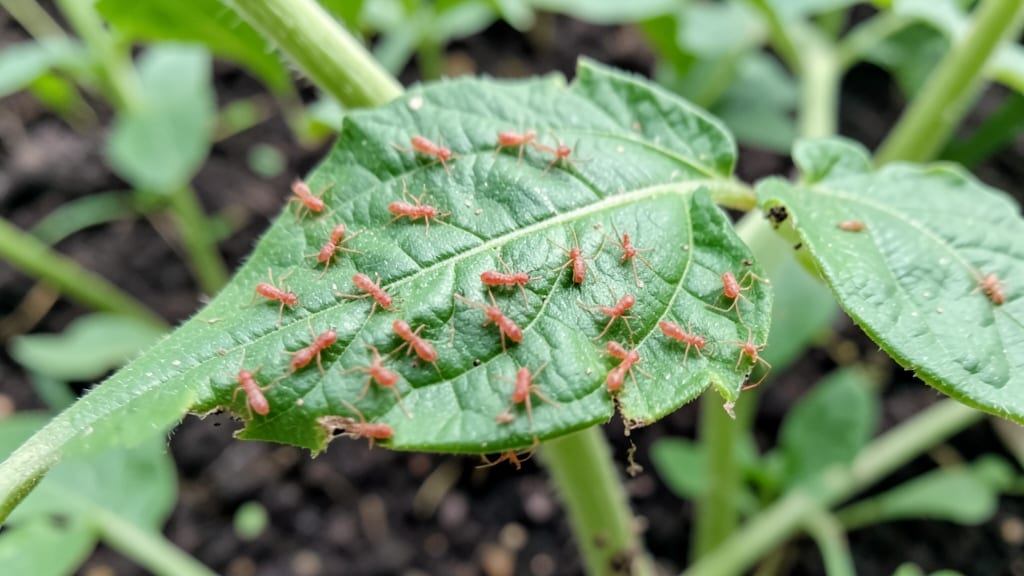
Tomato plant mites can turn your lush vines into a skeleton of yellowed leaves in less than a week—but I’ve saved harvests from total collapse with these fast-acting tricks. 🌱 The first sign? Tiny red dots on leaf undersides, followed by fine webbing that looks like dust.
Most gardeners panic and reach for harsh sprays, but the real secret lies in neem oil and a simple water blast that clears 90% of them in hours.
Here’s the game-changer: mites thrive in dry, dusty conditions, so your first move is a strong spray of water—especially on leaf undersides—every 2–3 days.
Add a drop of dish soap (not detergent) to a gallon of water for a quick knockdown, then follow up with neem oil (1 tablespoon per quart of water) to starve their eggs. I’ve stopped outbreaks before they spread to neighboring plants using just these three tools.
Your goal isn’t just to kill mites—it’s to break their life cycle. Prune heavily infested leaves immediately (don’t compost them!) and isolate affected plants until you see fresh green growth. Within 5–7 days, your tomatoes will bounce back, and the mites won’t stand a chance.
The key is consistency: check leaves daily, especially after hot, dry spells when these pests strike hardest.
Prevention is even faster than treatment. Mulch heavily to retain moisture, use row covers in early summer, and introduce predatory mites (like Phytoseiulus persimilis) for long-term protection. These tiny helpers eat mites faster than you can say “harvest time.”
Once you spot the first signs, act within 24 hours—that’s the difference between saving your plants and losing them.
Hidden Triggers Behind Tiny Threats
Those nearly invisible pests wreaking havoc on your tomato plants don’t just appear out of nowhere—they’re drawn by specific conditions that turn your garden into a buffet.
Understanding why these mites invade helps you break the cycle before they strip your plants bare. Let’s uncover the real culprits behind their sneak attacks.
Tomato plant mites—especially two-spotted spider mites—thrive in hot, dry environments. Here’s why:
- Low Humidity: These pests prefer air with <15% humidity. When soil dries out, plants wilt, and mites detect stress signals (like volatile organic compounds) that scream, “Easy meal here!”
- High Temperatures: Ideal mite conditions start at 75°F (24°C) and peak above 90°F (32°C). Heat speeds up their reproduction—females lay 20 eggs/day in perfect conditions, vs. just 2–3 eggs in cooler temps.
- Stunted Plant Defense: Drought-stressed plants can’t produce enough triterpenoid saponins (natural pesticides), leaving them vulnerable.
Actionable Fix: Mulch heavily to retain moisture, use drip irrigation (not overhead watering), and shade cloth can lower leaf temps by 10–15°F.
Mites spread faster when plants are packed too closely. Here’s the science:
- Reduced Airflow: Dense foliage traps heat and humidity, creating microclimates mites love. Poor airflow also slows beneficial predators (like ladybugs) from patrolling.
- Shared Contamination: Mites hitchhike on wind, tools, or even your hands. A single infested plant in a crowded bed can infect neighbors in 2 weeks.
- Nutrient Competition: Overcrowded plants compete for nutrients, weakening their cuticle (the waxy skin that repels pests). Mites exploit these thin spots to feed.
Actionable Fix: Space tomato plants 18–24 inches apart, prune lower leaves to improve airflow, and rotate crops annually to break pest cycles.
Even “safe” garden chemicals can disrupt your plants’ natural pest resistance. Common offenders:
| Pesticide Type | How It Helps Mites | Safer Alternatives |
|---|---|---|
| Synthetic Insecticides (e.g., neonicotinoids) | Kill natural predators (lacewings, mites’ biggest enemies) while sparing mites, creating a pesticide-resistant population. | Neem oil, insecticidal soap (use only at dusk to protect bees). |
| Over-Fertilization (High Nitrogen) | Soft, fast-growing leaves are mite candy. Nitrogen spikes also attract aphids, which mites hunt. | Balanced fertilizer (10-10-10) + compost tea for slow, tough growth. |
| Fungicides (e.g., copper-based) | Disrupt endophytic fungi in plant roots, which help regulate pest resistance. | Baking soda spray (1 tbsp/L water) for fungal issues. |
Actionable Fix: Pull the trigger on chemicals last. Start with horticultural oil or kaolin clay to create a physical barrier.
Mites don’t just show up—they outcompete their natural enemies when the ecosystem tips. Key disruptors:
- Monoculture Gardens: Planting only tomatoes removes diversity, cutting off food sources for predators like phytoseiid mites (which eat 5–10 tomato mites/day).
- Habitat Destruction: Removing “weeds” (e.g., clover, dandelions) eliminates alternative prey for ladybugs and lacewings.
- Light Pollution: Artificial lights at night disorient nocturnal predators, reducing their hunting efficiency by 40%.
Actionable Fix: Plant companion crops like basil, marigolds, or nasturtiums to attract predators. Add a small water source (like a shallow dish with pebbles) to keep them hydrated.
Mites exploit weakness, whether it’s environmental stress, chemical imbalance, or a missing food chain. The good news? Fix one trigger, and you starve their survival strategy. 🎯
Quick Fixes for Tiny Plant Threats
Tiny pests like spider mites or broad mites can wreak havoc on your tomato plants, but don’t panic—there are effective, easy-to-follow solutions to save your harvest.
Below, we’ve mapped out the best fixes based on the root cause of your mite problem, along with prevention tips to keep your plants healthy long-term.
Before treating, confirm whether you’re dealing with spider mites (tiny red/yellow dots, webbing) or broad mites (silver specks, no webbing). A hand lens or magnifying glass helps—hold it over a leaf to spot the culprits.
🌿 Overcrowded or Stressed Plants?
Mites thrive where plants are weak. Space them out (18–24 inches apart) and prune crowded foliage to improve airflow. Water deeply at the base in the morning to discourage mites from hiding in dry, dusty leaves.
🍃 Dusty or Dirty Leaves?
Mites love dust and debris—they can’t survive without it. Wipe leaves down with a damp cloth or hose them off gently.
For stubborn grime, mix 1 tsp mild dish soap + 1 gallon water in a spray bottle and lightly mist the undersides of leaves (avoid over-saturating).
🐛 Webbing or Tiny Specks? (Spider Mites) 1.
Blast Them Away 💦 - Strong water spray: Use a hose with a nozzle to blast mites off leaves (early morning or evening works best). - Neem oil spray: Mix 1 tbsp neem oil + 1 tsp mild soap + 1 quart water.
Spray every 5–7 days until mites vanish. Pro tip: 🌡️ Test on a small leaf first—neem can burn tender plants!
2. Introduce Predators 🐞
- Ladybugs or lacewings: Release 5–10 per plant (available at garden centers). They love munching mites!
- Predatory mites: Tiny but mighty—sprinkle them on leaves for a natural, long-term fix.
3. DIY Sticky Traps 🕷️
- Cut cardboard rings (like a donut shape) and coat them with petroleum jelly. Place under leaves—mites get stuck!
⚪ Silver Specks, No Webbing? (Broad Mites)
Broad mites are trickier because they don’t spin webs. Try these: 1. Horticultural Oil Spray 🛡️ - Mix 2 tbsp horticultural oil + 1 tsp soap + 1 gallon water.
Spray every 3–4 days for 2 weeks. Caution: Avoid spraying in hot sun (can burn leaves).
2. Reflectant Mulch 🌞
- Cover the soil with white plastic or aluminum foil to reflect light—broad mites hate it! This confuses them and reduces infestations.
3. Copper Tape Barrier 🛡️
- Wrap copper tape around plant stems at the base. The mild electric charge deters mites from climbing up.
Once your plants are mite-free, keep them that way with these easy habits:
| Prevention Tip | How to Do It | Why It Works |
|---|---|---|
| Regular Inspections | Check undersides of leaves weekly. | Catches mites before they spread. |
| Companion Planting | Plant marigolds, basil, or chives nearby. | Repels mites naturally with scent. |
| Beneficial Nematodes | Apply every 3 months to soil. | Kills mite eggs before they hatch. |
| Avoid Over-Fertilizing | Use balanced fertilizer (10-10-10). | Too much nitrogen = softer leaves = mite buffet. |
| Rotate Crops | Don’t plant tomatoes in the same spot yearly. | Breaks mite life cycles. |
- Mild infestation? Treat every 5–7 days for 2 weeks.
- Severe outbreak? Repeat every 3–4 days until leaves are clean.
- Prevention mode? Monthly inspections + seasonal sprays (neem oil or horticultural oil).
💡 Pro Tip: If mites keep coming back, your water might be the issue. Test your tap water for hardness—hard water (high in minerals) can stress plants, making them more susceptible. Use rainwater or filtered water for watering instead!
🚀 Ready to save your tomatoes? Start with one fix (like neem oil or spacing plants) and monitor progress. Most gardens see visible improvement in 7–10 days with consistent care!
Frequently asked questions
What do tomato plant mites look like up close?
Most tomato plant mites are microscopic to the naked eye, but with a hand lens or magnifying glass, you’ll spot tiny red, yellow, or green specks (spider mites) or silver dots (broad mites). Look for fine webbing on leaf undersides—this is a classic spider mite sign.
How often should I check my tomato plants for mites?
Inspect leaves weekly, focusing on undersides where mites hide. Increase checks to every 2–3 days during hot, dry spells when mites multiply fastest. Early detection saves your harvest!
Will neem oil really kill tomato mites?
Yes! A neem oil spray (1 tbsp per quart of water + 1 tsp mild soap) disrupts mites’ life cycle by suffocating adults and starving eggs. Apply every 5–7 days until mites disappear. Always test on a small leaf first—neem can burn tender foliage in strong sun.
Can I use dish soap to treat tomato mites?
Yes, but use it carefully! Mix 1 tsp mild dish soap (no detergents) with 1 gallon of water and spray lightly on leaf undersides. This breaks their protective coating. Avoid overusing—soap can harm plants. For stubborn infestations, combine with neem oil for better results.
Why do mites keep coming back after treatment?
Mites often return due to hidden eggs or untreated plants nearby. Focus on consistent sprays (every 3–5 days), improve airflow by pruning, and introduce predatory mites or ladybugs. Check irrigation too—hard water can stress plants, making them more vulnerable.