
Planting
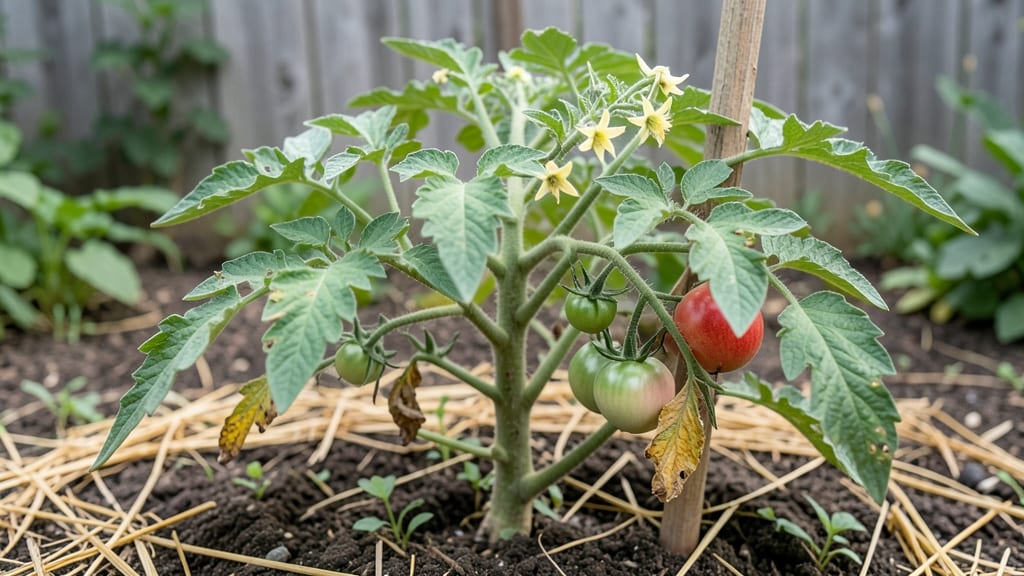
That sweet, earthy tomato plant scent should smell like summer—never like rot or mildew. 🌱 I’ve lost count of the times I’ve walked past my tomatoes only to stop short, wrinkling my nose at a funk that wasn’t supposed to be there.
Turns out, it’s usually a sign something’s off beneath the surface—whether it’s soggy roots, a fungal party, or unwelcome critters crashing the harvest.
The good news? Most of these stinky problems have simple fixes. Overwatering? Let the soil dry between drinks. That musty smell? It’s probably early blight—prune the infected leaves and space plants for airflow.
And if it smells like a wet dog’s blanket, slugs might be throwing a rave in your beds. I’ve saved entire plants just by addressing the root cause (literally) within a few days.
What you’ll end up with is that classic tomato fragrance—herbaceous, slightly sweet, and downright intoxicating. The kind that makes you pause mid-step to breathe it in before reaching for the next ripe fruit.
This isn’t just about fixing a smell; it’s about reviving the garden’s natural chemistry so your tomatoes taste as good as they look.
Works for greenhouse growers, container gardeners, and anyone tired of their backyard smelling like a compost heap instead of a harvest. Let’s turn that funk into flavor—starting with the first whiff.
📚 In This Guide
- What you need
- Instructions
- Tips and common mistakes
- Wrapping up and next steps
What you need
- ● Tomato plants: 1-3 healthy seedlings or mature plants (choose fragrant varieties like ‘Brandywine’ or ‘Cherokee Purple’ for stronger scents).
- ● Well-draining potting mix: 5-10 gallons (look for organic blends with compost or coconut coir).
- ● Containers or garden bed: For containers: 5-gallon pots or larger (1 plant per 1-2 gallons of soil).
- ● For in-ground planting: A sunny spot with loose, fertile soil (6+ hours of sunlight daily).
- ● Slow-release fertilizer: 1-2 cups (10-10-10 NPK ratio or tomato-specific blend).
- ● Pruning shears: Sharp, sterilized pair (for trimming and shaping plants).
- ● Watering can or hose: With a gentle spray nozzle (avoid soggy soil!).
- ○ Mulch (optional but recommended): Straw or shredded leaves (2-3 inches) to retain moisture and enhance scent.
- ● Compost tea: 1-2 cups (homemade or store-bought) to enrich soil with beneficial microbes.
- ● Essential oil diffuser (nearby): A few drops of citrus or basil oil to mimic natural tomato plant aromas (use cautiously around plants!).
- ● Pest deterrents: Neem oil or diatomaceous earth (to keep pests from stressing your plants).
- ● Garden journal: To track pruning, watering, and scent development over time!
How to restore tomato plants’ natural herbaceous scent
Reviving that classic tomato fragrance starts with simple care adjustments—here’s how to bring it back.
🌱 Step 1: Boost Soil Health with Organic Matter
Tomatoes develop their signature scent when soil is rich in organic nutrients. Mix 2 cups of compost into the top 6 inches of soil around each plant. This adds microbes that produce volatile organic compounds—those same molecules that give fresh tomatoes their intoxicating aroma. Work the compost gently into the soil so roots can access it without disturbance.
If your soil smells sour or lacks life, add 1 tablespoon of worm castings per plant. The earthy scent of healthy soil is your first clue that the plant’s scent machinery is firing back up. Avoid chemical fertilizers—they mask the natural fragrance while tomatoes crave organic, slow-release nutrients.
💧 Step 2: Water Deeply at the Base
Shallow watering stresses tomato plants and dulls their scent. Instead, water 1 gallon per plant every 2-3 days, directing the stream at the soil’s base. This encourages deep root growth, which triggers the production of aromatic compounds. You’ll know you’re doing it right when the soil feels damp 6 inches down.
Water in the morning so foliage dries quickly—wet leaves at night invite fungal diseases that smother scent production. If you notice wilting by afternoon, your watering isn’t reaching deep enough. Adjust by adding ½ inch of mulch around the base to retain moisture and protect roots.
☀️ Step 3: Maximize Sunlight Exposure
Tomatoes need 6-8 hours of direct sunlight daily to develop their full fragrance. If your plants are in partial shade, move them to a sunnier spot immediately. You’ll see the difference within a week—the leaves will darken to a rich green, and the scent near the blossoms will intensify.
Morning sun is ideal because it dries dew quickly, reducing mildew. If you’re growing in containers, place them where they get unobstructed southern exposure. Watch for leaves turning pale or stretching toward light—this leggy growth means they’re starved for sunlight and won’t produce strong aromas.
✂️ Step 4: Prune for Airflow and Focused Growth
Overcrowded plants develop weak stems and muted scents. Prune suckers (the small shoots growing between the main stem and branches) when they’re 2 inches long. Use clean pruners to avoid tearing stems, and remove leaves touching the soil to prevent disease. This redirecting of energy boosts scent production in the remaining foliage.
Trim back any yellow or diseased leaves immediately—they release unpleasant odors that overpower the tomato’s natural fragrance. After pruning, give the plant a light mist with water to reduce stress. You’ll notice a fresher, more vibrant scent within 3-5 days as the plant recovers.
🌿 Step 5: Companion Plant for Aroma Enhancement
Planting basil, thyme, or marigolds nearby amplifies tomato scent through natural chemical signaling. The basil’s anise-like aroma blends beautifully with tomatoes, while marigolds deter pests that damage leaves and dull fragrance. Space companions 12-18 inches away to avoid competition for nutrients.
Harvest a few leaves from your companions and rub them between your fingers near the tomato plants. The released oils trigger the tomato’s scent glands, making the fragrance more pronounced. This works best in late afternoon when temperatures are mild—ideal for scent diffusion.
Tips & tricks for reviving tomato plant scent
Bringing back that classic tomato fragrance takes more than just following the steps—here are the little details that make all the difference.
Soil Health Secret: When mixing the 2 cups of compost into the top 6 inches of soil, don't just sprinkle it on top. Dig it in gently to create a rich, aerated layer where roots can access nutrients without suffocation. I like to add a handful of crumbled egg shells for calcium too—it boosts cell structure and helps maintain that vibrant scent.
Watering Wisdom: The 1 gallon every 2-3 days guideline works best when you check soil moisture first. Stick your finger 2 inches down—if it feels dry, water thoroughly. If it's still damp, wait another day. Overwatering creates anaerobic conditions that kill those beneficial microbes responsible for scent production.
Sunlight Strategy: For those 6-8 hours of sunlight, position your plants where they get morning sun and afternoon shade if you're in a hot climate. I've found that tomato plants in containers actually benefit from a slight afternoon shade break—they produce more aromatic compounds when not stressed by extreme heat.
Pruning Payoff: When you're pruning those 2-inch suckers, don't just cut—the twist them off with a gentle motion. This prevents tearing stems and minimizes stress on the plant. After pruning, I always give the remaining foliage a light spray with water to help it recover faster, and you'll notice that fresh scent returning within those 3-5 days.
Pro Tips for Tomato Plant Scent
- Bringing back that classic tomato fragrance takes more than just following the steps—here are the little details that make all the difference.
- Soil Health Secret: When mixing the 2 cups of compost into the top 6 inches of soil, don't just sprinkle it on top.
- Watering Wisdom: The 1 gallon every 2-3 days guideline works best when you check soil moisture first.
Frequently asked questions
Got questions about that intoxicating tomato plant scent?
You’re not alone! Here are some of the most common queries—plus quick answers to help you harness (or troubleshoot) that garden-fresh aroma.
Why does my tomato plant smell so strongly?
The rich, herbaceous scent of tomato plants comes from trichomes—tiny, hair-like structures on leaves and stems that release volatile organic compounds (VOCs). These aromas peak during flowering and fruiting, especially in warm, sunny conditions. Pro tip: Varieties like Brandywine or Sungold often have the most pronounced fragrance!
When is the tomato plant scent strongest?
The scent is most intense in the morning after dew evaporates and in the evening when temperatures drop slightly. During peak flowering (late spring to early summer) and when fruits begin ripening, the aroma reaches its zenith. Bonus: Rainy days can amplify it temporarily!
What does a foul tomato plant smell mean?
A rotten, sour, or putrid odor usually signals trouble:
- Overwatering: Soggy roots release a musty stench.
- Fungal/bacterial infections: Look for moldy spots or wilting leaves (e.g., early blight).
- Pests: A sweet, fermented smell may mean fruit flies or blossom rot.
Can I use tomato plant scent to repel pests naturally?
The natural fragrance confuses some pests like hornworms and aphids. Try these tricks:
- Rub crushed tomato leaves on nearby plants.
- Place fresh clippings near vulnerable crops (e.g., basil, peppers).
- Use tomato leaf tea as a foliar spray (steep leaves in water for 24 hours).
Do heirloom tomatoes smell stronger than hybrid varieties?
Generally, yes! Heirloom tomatoes (like Cherokee Purple or Black Krim) often have more complex, earthy scents due to their open-pollinated genetics. Hybrids may prioritize disease resistance over fragrance. Grower tip: Choose fragrant heirlooms if scent is your goal—and enjoy the bonus of deeper flavors too!
How can I preserve tomato plant scent for cooking?
To capture that garden-fresh aroma in your dishes:
- Harvest leaves and stems just before flowering (freeze or dry for later use).
- Infuse oils with fresh tomato foliage (strain before using).
- Add a sprig of tomato leaves to soups, salsas, or marinades (remove before serving).
Wrapping up and next steps
The alluring tomato plant scent isn’t just a delightful bonus—it’s a sign of a thriving, healthy garden! 🌱 By understanding the science behind that fresh, herbaceous aroma and implementing simple care tips, you can transform your tomato plants into fragrant powerhouses.
Whether you’re a seasoned gardener or just starting, this scent is your reward for nurturing life and flavor.
Ready to take the next step? Experiment with companion plants, like basil or marigolds, to enhance that signature tomato fragrance—or share your green thumb success with fellow plant lovers! 🌟 Your garden’s fresh, inviting scent is just a season away!