
Light Requirements
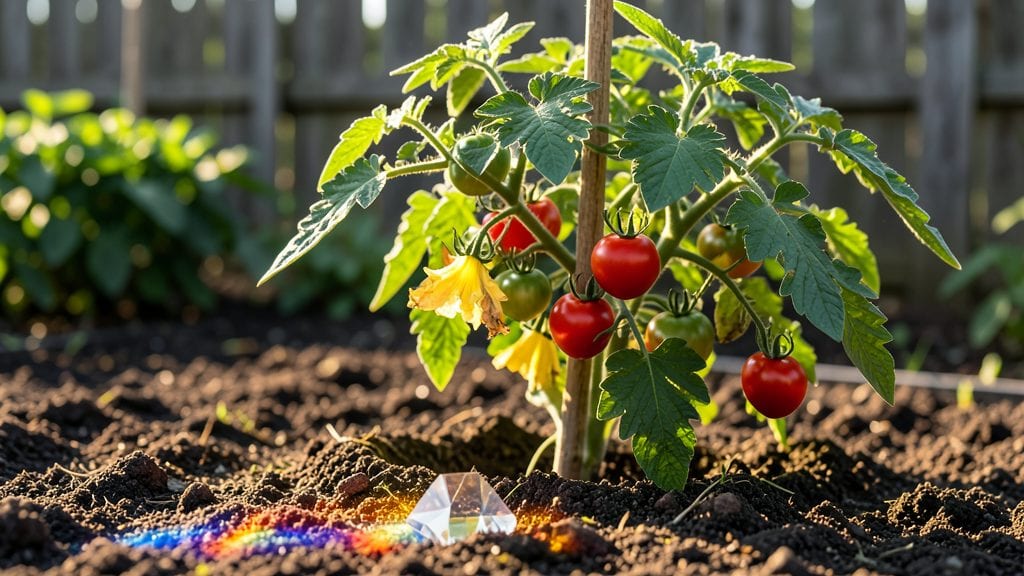
Understanding your tomato plant sun requirements is key—these need at least 6 to 8 hours of full sun daily to yield heavy, flavorful fruit, while too little light results in bitter, undersized tomatoes.
I’ve watched entire harvests fail because of poor sunlight, from leggy seedlings to fruit that never ripens. The good news? With the right placement and a few smart adjustments, you can turn even a shady corner into a tomato powerhouse.
Here’s how to measure sunlight, spot the signs of too much or too little, and tweak your garden setup for peak production—whether you’re in a sunny Zone 6a or battling afternoon shade.
You’ll learn the exact sun arcs your plants need, how to read their leaves for stress, and proven tricks to stretch sunlight in tight spaces without sacrificing quality.


How many hours of sun do tomato plants need daily?
Tomatoes are sun-worshippers, and their fruit production depends heavily on adequate sunlight. While most gardeners know tomatoes need full sun, the exact hourly requirements vary by growth stage. Seedlings need gentle light, while mature plants thrive with 8+ hours daily.
Understanding these shifts helps prevent stunted growth or blossom drop.
Sunlight isn’t just about hours—it’s about intensity and duration.
A south-facing garden in the U.S. gets stronger midday sun, while northern climates may need adjustments. Morning sun (6 AM–12 PM) is gentler, while afternoon sun (12 PM–6 PM) can scorch leaves if plants aren’t acclimated. Balancing both ensures steady energy for fruit development.
Here’s how tomato sun needs break down by stage, plus how to measure sunlight accurately in your garden:
🌱
Seedlings need protected sunlight to avoid leaf scorch. Start them indoors under grow lights (12–14 hours/day) or in a nursery bed with partial shade.
Once hardened off, move them to a south-facing spot where they’ll get 4–6 hours of morning sun initially. Gradually increase exposure over 7–10 days to prevent shock.
During the vegetative stage, tomatoes shift to 6–8 hours of full sun.
This is when they build foliage and root systems. Prune lower leaves to improve air circulation, but avoid over-pruning—you’ll need that leaf canopy to photosynthesize later. Monitor leaf color: Dark green means they’re happy; pale or yellowing means they’re light-deprived.
The flowering stage demands 8–10 hours of direct sun to prevent blossom drop. Tomatoes need this energy to set fruit.
If your garden gets less than 6 hours daily, consider container growing near a sunniest wall or use reflective mulch (like white gravel) to bounce light onto leaves. Avoid fertilizing heavily during this phase—too much nitrogen delays fruiting.
At the fruiting stage, tomatoes crave 8+ hours of intense sunlight. This is when sugar production peaks, and ripening accelerates.
If your tomatoes taste watery or bland, they’re likely light-starved. Southern gardens may need afternoon shade (1–3 PM) to prevent sunscald, while northern gardens can push for full sun exposure year-round. Rotate containers weekly to ensure even light distribution.
Measuring sunlight accurately is key.
Use a sunlight tracker (a simple app or DIY stake with a shadow marker) to log peak sun hours in your garden. Ideal sun arcs vary by season: In summer, sun rises earlier and sets later, giving you 14–16 hours of daylight, but only 6–8 hours of direct rays count. Winter sunlight is weaker, so supplement with grow lights if needed.
Climate plays a huge role. In hot, dry regions (like Arizona), tomatoes may need partial afternoon shade to avoid leaf burn.
In cool climates (like the Pacific Northwest), extend growing seasons with cold frames or row covers to capture winter sun. Urban gardeners can maximize light by placing containers on rooftops or balconies facing south, or using reflective surfaces like white paint on fences.
One common mistake is assuming “full sun” means all-day sun. Tomatoes can overheat in
Signs of too much or too little sunlight in tomato plants
Tomato plants are sun-hungry divas—they thrive on 6-8+ hours of direct sunlight daily, but too much or too little can send them into a downward spiral. Leaf scorch and stunted growth are red flags, while pale leaves and weak stems scream for more light.
Even overpruning or poor shade placement can trick your plants into thinking they’re in the wrong neighborhood. Let’s decode the symptoms so you can rescue your tomatoes before it’s too late.
First, spot the sunburn signs: crispy, brown or white edges on leaves, especially on the upper leaves exposed to harsh afternoon sun.
These leaf burn patches often appear yellowish-brown and papery, like they’ve been left in a sauna. Excessive heat can also cause blossom drop, where flowers fall off before fruiting, leaving you with fewer tomatoes than you’d hoped for.
If your plants look like they’ve been overcooked, it’s time to adjust their sun exposure.
Now, let’s talk underlighting. When tomatoes don’t get enough sun, they’ll stretch tall and leggy, with pale green or yellowish leaves that look like they’re starving for light. The stems may become weak, causing them to flop over or break easily.
You’ll also notice small, poor-quality fruit—if they even bother to produce at all. Fruiting may halt entirely, leaving you with tiny, bland tomatoes that lack flavor and color.
Here’s the kicker: common gardening mistakes often worsen these issues. For example, overpruning removes too much foliage, exposing stems to excessive sun stress. Or, placing tomato plants under dense shade from trees or structures can trick them into thinking it’s permanent shade, stunting their growth.
Even reflective surfaces like white walls or mulch can overheat plants if they’re too close.
Tomato Sunlight Requirements: Pros & Cons
✅ Too Much Sun (6+ Hours/Day)
- Pros: Maximizes fruit production, enhances flavor, speeds up ripening
- Cons: Leaf scorch, blossom drop, stunted growth in extreme heat
✅ Too Little Sun (Under 6 Hours/Day)
- Pros: Reduces leaf burn in intense climates, slows growth in hot zones
- Cons: Leggy growth, weak stems, poor fruiting, pale leaves
To fix sunburn damage, start by providing afternoon shade with a lightweight shade cloth (30-50% coverage) or move containers to a slightly shadier spot after 2 PM. For underlit tomatoes, rotate plants to ensure even sun exposure or use reflective mulch (like white gravel) to bounce light onto leaves.
If your tomatoes are already leggy, prune lower leaves to encourage upward growth and improve air circulation.
Pro tip: Monitor your plants daily and adjust their position based on the sun’s arc. In hot climates, morning sun is gentler, while cooler regions can handle full-day sun. With the right balance, your tomatoes will thrive, producing juicy, flavorful fruit all season long. 🌱