
Blooming
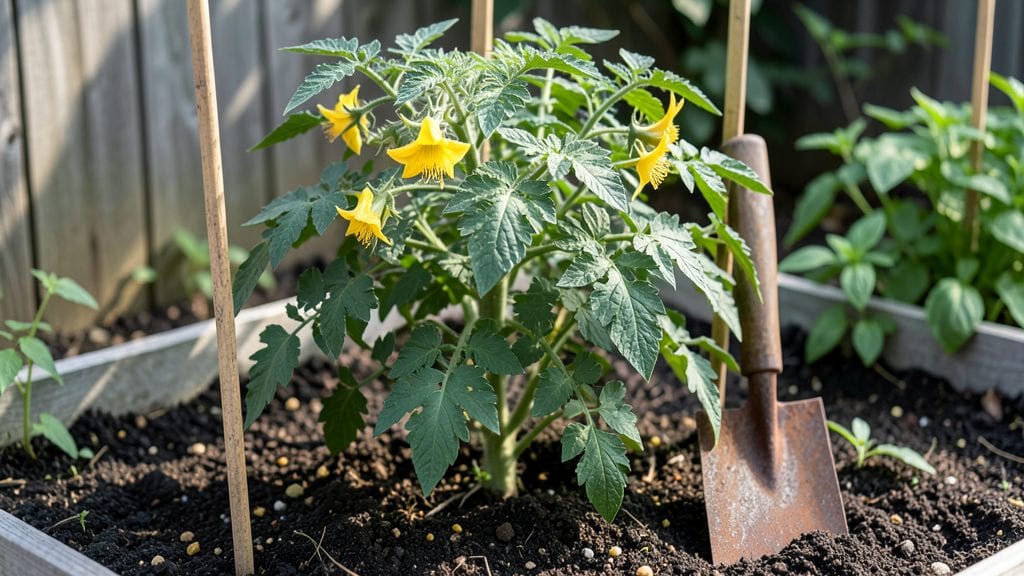
My tomato plants blooming too early last summer turned a promising harvest into a sad handful of tiny, underripe fruit. 🌱 The problem isn’t just annoying—it’s a sign your plants are stressed, and fixing it means bigger, healthier tomatoes later in the season.
The good news? This is one of those gardening puzzles where the solution is simpler than it seems.
The root causes are usually heat stress, inconsistent watering, or choosing early-blooming varieties for your climate. I’ve learned that tomatoes need to focus on leaf and root growth before they put energy into flowers—otherwise, you end up with a bush full of blossoms and no fruit.
The fix starts with adjusting watering schedules, providing afternoon shade during heatwaves, and sometimes even pruning those early flowers to redirect the plant’s energy.
By the time summer settles in, you’ll have plants that produce larger, sweeter tomatoes in waves instead of one rushed flush. The key is patience—letting those vines thicken and roots spread means more fruit per cluster, and fewer sad little tomatoes.
Trust me, your future self will thank you when you’re staring at a bowl of plump, vine-ripened tomatoes instead of a sad handful.
This works for both garden beds and containers, and the same principles apply whether you’re growing heirlooms or hybrids. The only difference is how quickly you’ll see results—sometimes it’s a matter of weeks, other times it takes a full season of adjusted care.
Either way, you’ll end up with a tomato plant that actually delivers on its promise.
📚 In This Guide
- What you need
- Instructions
- Tips and common mistakes
- Wrapping up and next steps
What you need
- ● Pruning shears or sharp scissors – Clean, sterilized tools (1 pair). Avoid dull blades to prevent plant damage.
- ● Garden twine or soft plant ties – 3–5 feet per plant for staking or support.
- ● Balanced fertilizer (10-10-10 or 5-5-5) – 1–2 tbsp per plant (organic options like composted manure work too!).
- ● Slow-release fertilizer or tomato-specific granules – Follow package instructions for dosage.
- ● Mulch (straw, grass clippings, or shredded leaves) – 2–3 inches thick to regulate soil temperature.
- ● Watering can or hose with a gentle nozzle – Consistent moisture is key!
- ● Garden stakes or cages – 1–2 per plant (6–8 feet tall) for support.
- ○ Shade cloth (30–50% coverage) – Optional but helpful for hot climates.
- ● pH test kit or strips – Ensure soil pH is 6.0–6.8 (tomatoes love slightly acidic soil!).
- ● Calcium supplement (e.g., crushed eggshells or lime) – Prevents blossom-end rot if needed.
- ○ Gloves – Optional but recommended for handling thorns or dirty soil.
How to manage premature tomato blooms for stronger plants
Early flowers mean fewer tomatoes later—here’s how to redirect your plant’s energy.
🌿 Step 1: Identify the Problem and Assess Plant Health
First, check your plant’s maturity. If it’s still small with fewer than 6-8 true leaves, blooming too early signals stress—likely from too much light, heat, or inconsistent watering. Run your fingers over the stems: healthy plants have firm, green growth with no signs of wilting or yellowing.
Compare your plant to a mature tomato’s growth stages. Early blooms before 4-6 weeks of vegetative growth mean the plant is prioritizing fruit over foliage. This is common in long-daylight conditions or when using heat-loving varieties in warm climates. If you see tiny flowers but no fruit yet, your plant is still in its juvenile phase and needs more time to develop.
☀️ Step 2: Adjust Light and Temperature Conditions
Tomatoes need 14-16 hours of light daily, but too much direct sun—especially in temperatures above 85°F—triggers early flowering. Move your plant to a spot with morning sun and afternoon shade if it’s in a container. For greenhouse or indoor growers, reduce supplemental light to 12 hours/day until the plant reaches 12-18 inches tall with strong stems.
If your plant is in the ground, provide afternoon shade with a lightweight shade cloth (30-50%) during peak heat. You’ll notice leaves perk up and new growth becomes darker green and thicker within 3-5 days. Avoid cold drafts—tomatoes need nighttime temps between 60-70°F to focus on growth, not flowering.
💧 Step 3: Regulate Watering and Fertilizing
Inconsistent watering stresses plants and triggers early blooms. Water deeply once every 2-3 days (until top 2 inches of soil feel moist) rather than light daily sprinkles. Use a moisture meter to check—soil should stay evenly damp but not soggy. Overhead watering can also cause stress, so water at the base of the plant in the morning.
Hold off on high-nitrogen fertilizers until the plant has at least 6 true leaves. Switch to a balanced 10-10-10 or low-phosphorus fertilizer (like 5-5-5) to encourage leafy growth over flowers. You’ll see new leaves emerge within 7-10 days if the plant is getting the right nutrients. Avoid fresh manure or compost tea—these can overstimulate flowering.
✂️ Step 4: Prune Early Flowers and Encourage Foliage
Use sterilized pruning shears to snip off any flower clusters that appear before the plant has 6-8 true leaves. Focus on the main stem and lower branches first—these are the most critical for early growth. You’ll know you’re doing it right when the plant redirects energy to leaves instead of fruit, resulting in thicker stems and bushier growth.
Don’t prune more than 20-30% of the plant at once—this can shock it. After removing flowers, pinch off the top set of leaves (just above a leaf node) to encourage lateral branching. This creates a stronger framework for future fruit production. You’ll see new side shoots within 5-7 days, signaling the plant is focusing on growth.
🌱 Step 5: Monitor and Repeat as Needed
Check your plant weekly for new flower clusters. If blooms reappear, repeat the pruning and adjust conditions as needed. Keep a growth journal to track progress—note when new leaves appear, how often you water, and any changes in light or temperature. This helps you spot patterns (like heat waves triggering blooms) and adjust faster next time.
Once your plant reaches 12-18 inches tall with a sturdy stem and 8+ leaves, it’s ready to support fruit. At this stage, you can gradually reintroduce light (back to 14-16 hours/day) and switch to a low-nitrogen, high-phosphorus fertilizer (like 5-10-10) to encourage flowering. By the time you see strong secondary stems, your plant will be primed for a bigger, later harvest.
Tips & tricks for managing premature tomato blooms
These practical strategies will help you redirect your tomato plant's energy for a stronger, more productive harvest.
Light and Temperature Timing: In Step 2, when adjusting light exposure, remember that tomatoes need 14-16 hours of light daily for optimal growth—but too much direct sun, especially when temperatures exceed 85°F, triggers early flowering. If you're using supplemental grow lights, reduce to 12 hours/day until your plant reaches 12-18 inches tall. I've found that providing afternoon shade with a lightweight shade cloth (30-50%) during heatwaves makes a noticeable difference within just 3-5 days.
Pruning Precision: When pruning early flowers in Step 4, focus on removing only the flower clusters—not the leaves or stems. The key is to remove no more than 20-30% of the plant at once to avoid shocking it. I've learned the hard way that aggressive pruning can set your plant back. After removing flowers, pinch off the top set of leaves just above a leaf node to encourage lateral branching. You'll typically see new side shoots emerge within 5-7 days, which is your sign the plant is redirecting energy to foliage growth.
Fertilizer Strategy: In Step 3, hold off on high-nitrogen fertilizers until your plant has at least 6 true leaves. At that point, switch to a balanced fertilizer like 10-10-10 or low-phosphorus 5-5-5 to encourage leafy growth. I've noticed that using compost tea or fresh manure can actually accelerate flowering, so it's best to avoid these until your plant is more established. Once your plant reaches 12-18 inches tall, you can gradually reintroduce light to 14-16 hours/day and switch to a low-nitrogen, high-phosphorus fertilizer like 5-10-10 to encourage flowering.
Monitoring System: Make tracking your plant's progress easier by keeping a simple growth journal. Note when new leaves appear, how often you water, and any changes in light or temperature. This helps you spot patterns that might be triggering early blooms. I've found that heat waves often cause premature flowering, so adjusting your care routine during these periods can make a big difference. Once you see strong secondary stems developing, your plant will be ready for a bigger, later harvest.
Pro Tips for Tomato Plants Blooming Too Early
- These practical strategies will help you redirect your tomato plant's energy for a stronger, more productive harvest.
- If you're using supplemental grow lights, reduce to 12 hours/day until your plant reaches 12-18 inches tall.
- Pruning Precision: When pruning early flowers in Step 4, focus on removing only the flower clusters—not the leaves or stems.
Frequently asked questions
Got questions about early blooming tomato plants? You’re not alone!
Here are some of the most common concerns—and how to tackle them—so you can keep your garden on track for a delicious harvest.
Why are my tomato plants blooming too early?
Early blooming is often caused by warm temperatures, inconsistent watering, or nutrient imbalances (like too much nitrogen). Tomatoes need consistent cool nights (50–60°F) and warm days (70–85°F) to set fruit properly. If blooms appear before your last frost date, they may not survive or produce well.
Can I delay blooming to avoid frost damage?
Yes! Try these tricks:
- Prune suckers and flowers to redirect energy to root and stem growth.
- Use shade cloth (30–50%) to lower temps and slow flowering.
- Avoid over-fertilizing with nitrogen—switch to a balanced 10-10-10 or phosphorus-heavy fertilizer (like 5-10-10) to encourage stronger roots.
Will early blooms still produce fruit?
It depends! Determinate varieties (like Roma or Celebrity) may set fruit early but could struggle with frost. Indeterminate types (like Cherry or Beefsteak) might produce small, deformed tomatoes if temps drop. Protect plants with row covers or move pots indoors if frost is forecasted.
Should I remove early flowers entirely?
For cold-sensitive varieties, yes—pinch off blooms until nighttime temps stay above 50°F consistently (usually 2–4 weeks after last frost). For heat-sensitive plants (like in Southern climates), let a few flowers set to avoid blossom drop from extreme heat.
What if my plants keep blooming but no fruit forms?
This could signal pollination issues, heat stress (above 90°F), or poor nutrition. Try:
- Gently shake plants or use a small brush to aid pollination.
- Provide afternoon shade during heatwaves.
- Test soil pH (6.0–6.8) and add calcium (crushed eggshells or lime) if needed.
Pro Tip:
Keep a gardening journal to track blooming times, temps, and fertilizing schedules. This helps you adjust next season for perfect timing!
Wrapping up and next steps
Don’t let early blooming stress you—your tomato plants are just eager to grow! With the right adjustments, like pruning, adjusting light, or tweaking nutrients, you can guide them toward a healthier, more productive harvest. 🌱 Remember, patience and consistency are key, so keep monitoring and adapting as needed.
Ready to take action? Start with one or two fixes today—your future tomatoes will thank you! Whether it’s trimming those early flowers or fine-tuning your care routine, every small step leads to a bigger, better bounty. Happy gardening! 🍅✨