Plants
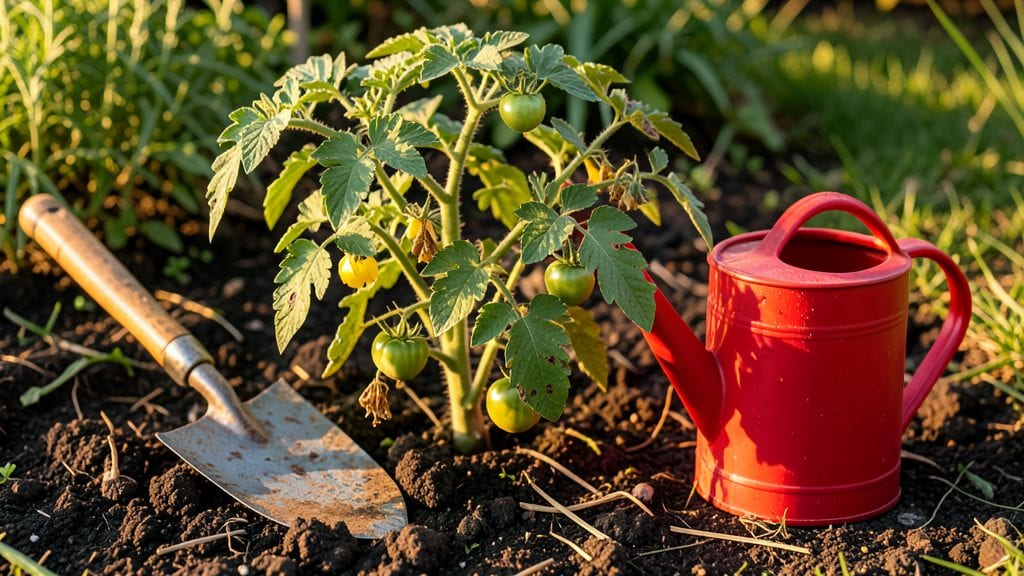
Tomato plants browning at the edges? That crispy leaf edge is your plant’s SOS signal—often blight, but sometimes thirst or stress. 🌿 I’ve nursed back dozens of plants from this exact spot, and the fix isn’t always what you’d expect.
The first step is figuring out if it’s fungal, bacterial, or just your watering schedule playing tricks.
Blight shows up as dark, greasy spots that spread fast, while thirst stress creates dry, papery edges that curl upward. Check the undersides of leaves—yellowing veins or sticky residue? That’s your clue.
The good news? Most browning can be reversed in 48 hours with the right mix of pruning, fungicide, and water adjustments. No need for harsh chemicals unless it’s a full-blown outbreak.
You’ll see new growth within days if you act fast—bright green leaves unfurling, vines reaching for the sky again. The key is stopping the spread while giving your plant the conditions it craves: consistent moisture, airflow, and a little extra love in the form of balanced fertilizer.
Let’s get those tomatoes back to thriving.
Works for greenhouse, patio, or backyard plants—just adjust the timing based on your climate. The same principles apply whether you’re dealing with early blight in July or late-season stress in September. Here’s how to diagnose and fix it before it spreads to your entire crop.
Why it happens
When your tomato plants start showing brown patches or crispy edges, it’s not just a random act of nature—it’s a cry for help from your leafy friends. 🌱💔 Understanding the why behind browning is the first step to saving your harvest.
Let’s dig into the science and uncover what’s really stressing your plants.
🌡️ Extreme Temperature Fluctuations
Tomatoes thrive in warm but stable conditions (ideally between 70–85°F during the day and 55–65°F at night).
When temperatures swing wildly—whether from scorching sun, frost, or sudden cold snaps—your plants go into shock. Heat stress causes leaf edges to crisp and turn brown as cells lose moisture too quickly, while cold damage disrupts cell membranes, leading to a dull, brown discoloration.
- Signs: Brown, papery edges on leaves, wilting despite moist soil, or blackened spots after a freeze.
- Actionable fix:
- 🌿 Provide shade cloth (30–50% coverage) during heatwaves.
- 🛡️ Use row covers or mulch to insulate roots from cold snaps.
- ⏰ Water deeply in the early morning to reduce evaporation stress.
☀️ Sunburn and Over-Exposure
Just like humans get sunburned, tomato plants suffer when exposed to intense, direct sunlight without acclimation. Young leaves or those suddenly moved to a sunnier spot can develop brown, leathery patches—a classic sign of sun scald.
This happens when light energy exceeds the plant’s ability to convert it into food, leading to cell death.
- Signs: Brown, dry patches on upper leaves, often on the side facing the sun.
- Actionable fix:
- 🌿 Gradually harden off seedlings by increasing sunlight exposure over 7–10 days.
- 🏠 Position plants where they get 6–8 hours of sun, but avoid midday peaks in extreme heat.
- 🍃 Use reflective mulch (like white plastic) to bounce light away from sensitive leaves.
💧 Watering Woes: Too Much or Too Little
Water is the lifeblood of tomatoes, but improper hydration is a top cause of browning. Underwatering causes edges to curl and brown as cells dehydrate, while overwatering leads to root suffocation, cutting off water and nutrient flow—resulting in yellowing followed by brown, mushy patches.
| Issue | Signs | Fix |
|---|---|---|
| Underwatering | Crispy, brown edges; wilting that doesn’t bounce back; soil pulls away from pot edges. | 💧 Water deeply 1–2 inches into soil when the top inch is dry. Use drip irrigation for consistency. |
| Overwatering | Brown, soggy leaves; moldy soil; roots appear black or mushy when pulled. | ⚠️ Let soil dry slightly between waterings. Improve drainage with perlite or raised beds. |
🍄 Fungal Infections: Blight and Beyond
Fungal diseases like early blight (Alternaria solani) and late blight (Phytophthora infestans) are notorious for causing brown, circular lesions on leaves. These pathogens thrive in humid, warm conditions and clog stomata (leaf pores), blocking gas exchange and turning affected areas brown or black.
- Signs:
- Early blight: Concentric brown rings with yellow halos.
- Late blight: Greasy, dark brown spots that spread rapidly.
- Actionable fix:
- 🌿 Remove and destroy infected leaves immediately (don’t compost!).
- 💡 Spray with a copper fungicide or baking soda mix (1 tsp baking soda + 1 quart water + a drop of dish soap) every 7–10 days.
- 🌬️ Improve airflow with pruning and spacing plants 18–24 inches apart.
🐛 Pests and Physical Damage
Chewing insects like hornworms, aphids, or spider mites can create brown, ragged edges as they feed on leaf tissue. Even hail or wind can bruise leaves, leading to brown spots where cells are damaged. Without proper repair, these areas turn crispy and unsightly.
- Signs:
- Holes or skeletonized leaves (hornworms).
- Sticky residue or curled leaves (aphids).
- Fine webbing on undersides (spider mites).
- Actionable fix:
- 🔍 Handpick pests early in the morning or use a strong spray of water.
- 🌿 Introduce beneficial insects like ladybugs or lacewings.
- 🛡️ Apply neem oil or insecticidal soap as a preventative spray.
⚗️ Chemical Burn from Fertilizers or Sprays
Tomatoes are sensitive to salt buildup from over-fertilization or residual herbicides in soil. When roots absorb too many salts, they can’t take up water properly, causing leaf edges to brown—a condition called fertilizer burn.
Even well-meaning sprays (like vinegar or harsh pesticides) can scorch leaves if concentrations are too high.
- Signs: Brown, crispy edges starting at the tips; yellowing between veins.
- Actionable fix:
- 💦 Flush soil with 5–6 gallons of water to dilute salts.
- 🌱 Switch to organic, slow-release fertilizers (like compost or worm castings).
- 🧴 Always test sprays on a few leaves first to check for sensitivity.
🌱 Nutrient Deficiencies or Toxicities
Browning can also signal imbalanced nutrition. For example:
- Potassium deficiency causes brown scorch on leaf edges (even if soil is moist).
- Magnesium deficiency (often from over-fertilizing with nitrogen) leads to brown patches between veins.
- Excess boron or chlorine in water can cause leaf tips to brown and die.
Soil tests are the gold standard, but a quick fix is to amend
Fix browning tomato leaves fast
Seeing your tomato plants turn brown can feel like a gardener’s nightmare—but don’t panic! With the right steps, you can often reverse the damage and protect your plants in just 48 hours.
Below, we’ve mapped out practical fixes based on the most common causes, along with prevention tips to keep your tomatoes thriving. Let’s get your plants back to vibrant green in no time!
If your tomato leaves are browning with yellow or black spots, fungal diseases like early blight, late blight, or powdery mildew are likely to blame. These spread quickly, but acting fast can save your harvest.
🍳 Step 1: Remove Infected Leaves
- 🔪 Snip off any leaves showing brown spots, yellowing, or wilting immediately. Don’t compost them—dispose of them in the trash to prevent spreading spores.
- ⏰ Do this in the morning so the plant has time to recover before nightfall.
👨🍳 Step 2: Apply Fungicide
- 💡 Organic option: Mix 1 tbsp baking soda + 1 quart water + a few drops of dish soap (as a spreader-sticker). Spray thoroughly on both leaf surfaces, focusing on undersides where spores hide.
- 🌡️ Chemical option: Use a copper fungicide (like Bordeaux mixture) or a neem oil solution (2 tbsp neem oil + 1 tsp mild soap per gallon of water). Reapply every 5–7 days until new growth appears.
- ✨ Pro tip: Add a reflective mulch (like aluminum foil or silver plastic) around the base to confuse fungal spores and reduce humidity near the soil.
🎯 Prevention for Next Time
- ⚡ Space plants 18–24 inches apart for airflow.
- 💧 Water at the base (not overhead) and early in the day so leaves dry quickly.
- 🌱 Rotate crops—never plant tomatoes in the same spot two years in a row.
Browning edges or crispy leaves can also mean your tomatoes are struggling with weather extremes. Unlike fungal issues, this damage is usually reversible with quick adjustments.
🌡️ Step 1: Shield from Harsh Conditions
- 🔥 Heat stress? Move potted tomatoes to partial shade (use a shade cloth if temps exceed 90°F). For in-ground plants, mulch heavily with straw to keep roots cool.
- ❄️ Cold damage? Cover plants with frost blankets at night if temps drop below 50°F. Avoid plastic directly on leaves—it can trap moisture and cause rot.
- 💨 Windburn? Use stakes or cages to support plants and tie them gently to prevent flopping. A windbreak (like a bamboo screen) can also help.
💧 Step 2: Hydrate Properly
- 🚰 Deep water in the morning (1–2 inches per week, more in heat). Let the top inch of soil dry between waterings to avoid root rot.
- 💡 Check soil moisture by sticking your finger in—if it’s dry past 1 inch, water again.
🎯 Prevention for Next Time
- 🌱 Choose heat-tolerant varieties like ‘Solar Fire’ or ‘Heatmaster’ for hot climates.
- 🌡️ Monitor weather forecasts and plan shade/wind protection in advance.
- 🍅 Prune lower leaves to improve airflow and reduce stress.
Browning leaves can signal nutrient imbalances, especially if edges curl or yellowing appears between veins. Tomatoes are heavy feeders—let’s get their diet right!
📊 Step 1: Diagnose the Deficiency
Use this quick guide to identify the issue:
| Symptom | Likely Cause | Quick Fix |
|---|---|---|
| Brown, crispy edges on older leaves | Over-fertilization (too much salt) | Flush soil with water for 10–15 minutes to leach excess salts. Avoid fertilizing for 2 weeks. |
| Yellowing between veins (older leaves first) | Nitrogen deficiency | Add compost or fish emulsion (follow package rates). Side-dress with aged manure. |
| Purple stems/leaves | Phosphorus deficiency | Use a bone meal fertilizer (1 tbsp per plant) or switch to a balanced 10-10-10 formula. |
| Brown spots with healthy green veins | Potassium deficiency | Apply wood ash or greensand (follow instructions). Banana peel tea (soaked for 2 weeks) can also help. |
💡 Step 2: Adjust pH if Needed
- Test your soil’s pH (ideal for tomatoes: 6.0–6.8).
- Too acidic (below 6.0)? Add lime (follow package rates).
- Too alkaline (above 7.0)? Mix in sulfur or peat moss.
🎯 Prevention for Next Time
- 🌱 Test soil before planting—avoid guesswork!
- 💧 Fertilize lightly every 2–3 weeks with a balanced tomato fertilizer (like 5-10-10).
- 🍅 Avoid overwatering, which dilutes nutrients.
For severe browning (e.g., late blight or root rot), try these last-resort fixes:
- 💧 Hydrogen peroxide spray: Mix 1 tbsp 3% hydrogen peroxide per quart of water to disinfect leaves and boost oxygen uptake.
- 🌿 Compost tea: Brew a strong compost tea (1 cup compost in 5 gallons water, steep 24–48 hours) and foliar-feed to rebuild soil microbes.
- 🔄 Root flush: If roots are waterlogged, dig gently to loosen soil and improve drainage. Add perlite or vermiculite to heavy clay.
With these fixes, your tomato plants should show signs of recovery in 24–48 hours—especially if you catch the problem early. Remember: Prevention is key! Rotate crops, monitor weather, and keep your garden healthy and happy to avoid future browning disasters. 🍅🌿
Frequently asked questions about tomato plant browning
Why are my tomato leaves turning brown at the edges first?
This is often a sign of underwatering or heat stress. When tomato plants don't get enough water, their cells lose moisture and the edges dry out first. Similarly, extreme heat causes leaf edges to crisp up as they can't retain moisture properly. Check soil moisture by sticking your finger 1 inch deep—if it's dry, water deeply in the morning to prevent further damage.
Can I save my tomato plants if the browning is spreading fast?
Yes, but act quickly! If browning is spreading rapidly with dark spots, it's likely fungal blight. Remove infected leaves immediately and apply a copper fungicide or baking soda spray (1 tbsp baking soda + 1 quart water + dish soap). For severe cases, prune back affected areas and improve airflow by spacing plants 18-24 inches apart.
Is browning on tomato leaves always a bad sign?
Not always! Some browning is natural, like senescent leaves (older leaves turning brown and dying as the plant matures). However, if browning appears suddenly with yellowing, wilting, or spots, it's a warning sign of stress. Focus on the location and pattern—edges = water/heat issues; spots = disease/pests.
How can I prevent browning in my tomato plants next season?
Start with consistent watering (1-2 inches per week) and mulching to retain moisture. Use drip irrigation to avoid wetting leaves, which spreads disease. Rotate crops yearly, choose disease-resistant varieties, and test soil pH (6.0-6.8) before planting. Prune regularly for airflow and monitor for pests early.
What's the difference between browning from blight and browning from fertilizer burn?
Blight browning appears as dark, greasy spots that spread with yellow halos, while fertilizer burn shows as crispy, brown edges starting at leaf tips. Blight often appears on lower leaves first, while burn affects newer growth. For blight, use fungicide; for burn, flush soil with water and reduce fertilizer. Pro tip: Check soil moisture—blight thrives in wet conditions, while burn occurs with dry, salty soil.