
Companion Plants
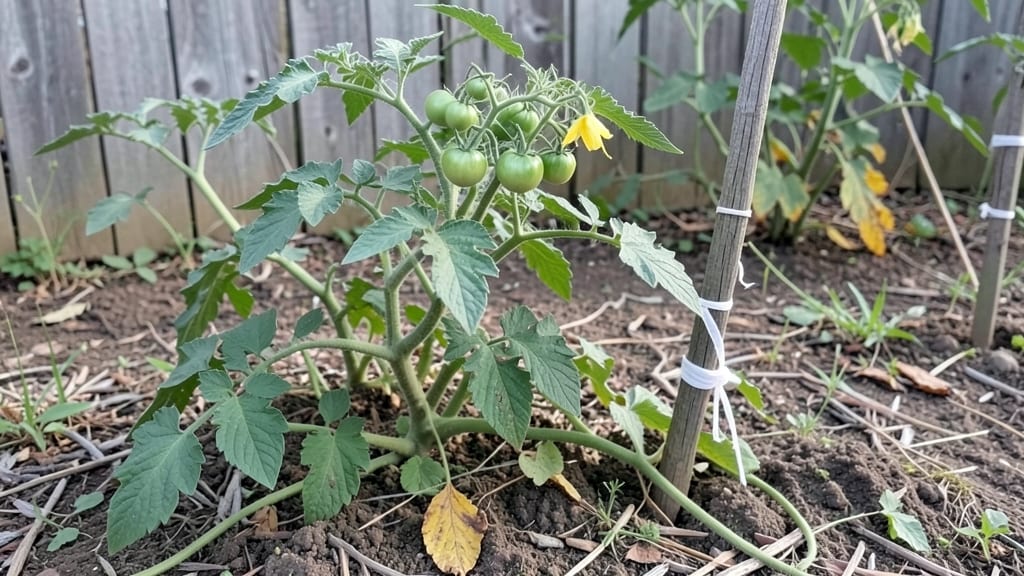
Training tomato plants isn't just about keeping them upright—it's the secret to bushier growth and the kind of harvests that make your neighbors ask for cuttings. 🌱 I spent years watching my tomatoes sprawl across the garden, shading each other and fighting for space, until I learned the pruning tricks that doubled my yield in just one season.
The difference between a few sad fruits and a tower of ripe tomatoes often comes down to how you guide those vines.
You don’t need fancy equipment—just sharp pruners, a sturdy stake or trellis, and about 30 minutes every two weeks during peak growth. The goal is simple: remove suckers (those little shoots in the joint between stems) to focus the plant’s energy on fewer, stronger branches.
This isn’t rocket science, but it is the difference between a handful of tomatoes and a bucketful. And yes, it works just as well for container-grown plants as it does for those in the ground.
What you’ll end up with is plants that stand tall, fruit heavy, and resist disease better because airflow circulates freely. The first pruned tomatoes I grew last summer were 30% larger than the unpruned ones, and the vines kept producing until frost.
The best part? You’ll spend less time chasing down stray vines and more time enjoying the harvest. Ready to transform those rambling plants into productive powerhouses?
Whether you’re working with indeterminate varieties that grow all season or determinate bushes that top out early, these techniques adapt easily. The key is consistency—prune early, prune often, and watch your tomatoes reward you with more fruit, better flavor, and fewer struggles. Let’s get those plants trained right!
📚 In This Guide
- What you need
- Instructions
- Tips and common mistakes
- Wrapping up and next steps
What you need
- ● Tomato plants: 1-6 plants (depending on space; heirloom or hybrid varieties like Beefsteak, Cherry, or Roma work well).
- ● Pruning shears: 1 pair (bypass pruners, 5-7 inches, sharp and sterilized to prevent disease).
- ● Gloves: 1 pair (nitrile or leather, heavy-duty to protect against thorns and dirt).
- ● Stakes or cages: 1-6 (5-7 ft tall for indeterminate varieties; 3-4 ft for determinate). Choose galvanized steel or bamboo for durability.
- ● Twine or plant ties: 1 roll (jute or soft plastic, ¼-inch width, 50+ ft).
- ● Garden twine or soft cloth strips: 1 roll (for gentle tying around stems).
- ● Potting soil or compost: 1 bag (for repotting seedlings if needed; opt for well-draining mix with 50% compost).
- ● Watering can or hose: 1 (with a gentle spray nozzle for hydration).
- ● Fertilizer: 1 bag (balanced 10-10-10 or organic options like fish emulsion or compost tea).
- ● Hand pruners: 1 pair (for smaller cuts or hard-to-reach spots).
- ● Plant clippers: 1 pair (for precise cuts on thicker stems).
- ● Garden kneeler or stool: 1 (to reduce strain while pruning).
- ● Disinfectant (rubbing alcohol or bleach solution): 1 bottle (to sterilize tools between cuts).
- ● Garden twine dispenser: 1 (for easier tying).
- ● Reflective mulch or light-colored row covers: 1 roll (to deter pests like aphids).
- ● Grow lights or shade cloth: 1 set (if training indoors or in extreme climates).
Step-by-Step guide to training tomato plants for maximum yields
Mastering these simple pruning techniques transforms spindly plants into sturdy, productive bushes.
🌿 Step 1: Identify the Main Stem and First Pruning Points
Start by locating the main stem—the thick, central vine that grows straight up from the base. This is your plant's backbone, and you'll work with it, not against it. Look for the first flower cluster that forms about 12-18 inches above the soil, usually after the plant develops 5-6 true leaves. This is your first pruning checkpoint.
Use clean, sharp pruners (or your fingers for small stems) to remove any suckers—the small, leafy shoots that grow in the V-shaped junction between the main stem and a branch. These compete for energy, so snapping them off early redirects nutrients to fruit production. Real talk: I used to ignore suckers, and my plants grew lanky with few tomatoes. Don't make that mistake.
✂️ Step 2: Prune for Bushier Structure and Airflow
Once the plant reaches 3-4 feet tall, focus on selective pruning to create a bushier shape. Remove every other sucker along the main stem, leaving one to grow every 12-18 inches. This encourages lateral branches that support more fruit clusters. Think of it like sculpting—you're shaping the plant to hold weight without toppling.
Pay attention to leaf density. If leaves grow too close together, prune the innermost leaves near the base to improve air circulation. This prevents blight and rot, which thrive in damp, shaded areas. You'll know you're doing it right when sunlight reaches the lower fruit clusters—no more hidden, moldy surprises.
☀️ Step 3: Support and Train the Main Stem
As the main stem grows taller, tie it to a sturdy stake or trellis every 12 inches using soft plant ties (never wire—it cuts into stems). This prevents stem breakage when heavy fruit sets in. I like to weave the main stem through a cage or spiral stake for natural support, but a simple bamboo stake works too. The goal is to keep the plant upright and stable—no flopping over when you harvest.
Watch for weak growth points where the stem bends or splits. If you see a forked stem (two main stems growing from one point), prune the weaker one immediately. A single, strong leader produces more consistent fruit than a split stem that wastes energy.
🌱 Step 4: Balance Fruit and Foliage for Peak Production
When the plant flowers, limit the number of clusters to 2-3 per main stem and 1-2 per branch. Remove smaller or weaker flower trusses to prevent overloading, which leads to blossom drop or cracked fruit. You want 6-8 large, healthy clusters per plant, not a dozen tiny, underdeveloped ones. This is where patience pays off—less now means bigger, juicier tomatoes later.
Leave 3-4 leaves above each fruit cluster to provide energy through photosynthesis. If you see yellowing leaves near the base, they’re done—they’re not feeding the plant anymore. Snip them off to redirect nutrients upward. You’ll notice the remaining leaves perk up almost immediately, and the fruit sets faster.
⏰ Step 5: Adjust Pruning as the Season Progresses
By mid-summer, shift focus to harvest management. Prune spent clusters (those with overripe or rotting fruit) to encourage new growth. If the plant looks top-heavy, trim one lateral branch to balance weight. I always prune on a dry, sunny morning—wet leaves or stems invite disease, and morning light helps wounds heal faster.
Stop pruning 4-6 weeks before your first frost. You want the plant to mature its remaining fruit, not redirect energy to new growth. If you prune too late, tomatoes won’t ripen before cold weather hits. Watch for color changes—green tomatoes left on the vine won’t turn red if nights dip below 50°F. Time your final prune right.
Tips & tricks for training tomato plants
These simple tricks will help you transform your tomato plants into sturdy, high-yielding powerhouses with minimal effort.
Timing is Everything: In Step 1, when you spot that first flower cluster at 12-18 inches, act fast! Those suckers grow quickly and can sap energy from your fruit. I always set a reminder to check my plants every 3-4 days once they hit 2 feet tall—this prevents sucker buildup before I notice it. The earlier you remove them, the more energy goes to your tomatoes instead of extra foliage.
Pruning Technique Matters: When you're creating that bushier structure in Step 2, make your cuts at a 45-degree angle just above a leaf node. This helps water run off and prevents disease from entering the stem. I use my thumb to feel for the node—it's the little bump where new growth emerges. Also, avoid tearing stems; clean cuts heal faster and reduce stress on the plant.
Support System Secrets: For Step 3, don't just tie your plant to a stake—create a support system that grows with it. I wrap my plants in a spiral pattern using soft plant ties every 12 inches as instructed, but I also add a second stake at 3 feet for extra stability. This prevents the main stem from bending under fruit weight, especially when clusters grow heavy in mid-summer.
Seasonal Adjustments: In Step 5, when you're managing harvest, remember that the 4-6 week rule before frost is crucial. I mark my calendar with the average first frost date for my zone, then count backward. But here's the thing: if your tomatoes are still green when frost hits, don't panic! You can harvest them and let them ripen indoors at room temperature—just place them in a single layer with good airflow. They won't get as sweet as vine-ripened, but they'll still be edible.
Pro Tips for Training Tomato Plants
- These simple tricks will help you transform your tomato plants into sturdy, high-yielding powerhouses with minimal effort.
- Timing is Everything: In Step 1, when you spot that first flower cluster at 12-18 inches, act fast!
- Pruning Technique Matters: When you're creating that bushier structure in Step 2, make your cuts at a 45-degree angle just above a leaf node.
Frequently asked questions
Got questions about training tomato plants? You’re not alone—gardeners often wonder how to maximize growth, avoid common mistakes, and tweak techniques for their specific setup. Here are answers to the most common queries to help you grow like a pro!
How often should I prune my tomato plants?
Prune indeterminate tomatoes weekly (or every 10–14 days) during the growing season to encourage bushier growth and better air circulation. For determinate varieties, minimal pruning is needed—just remove suckers or diseased leaves. Avoid over-pruning; aim to keep the plant’s energy focused on fruit production, not excessive foliage.
When is the best time of day to prune tomato plants?
Prune in the early morning when plants are turgid (full of water) and the air is cooler. This reduces stress on the plant and minimizes the risk of disease entry through fresh cuts. Avoid pruning in the heat of the day—it can shock the plant and slow recovery.
What should I do with the pruned branches I remove?
Don’t toss those clippings! Use them to mulch the base of the plant (keep stems away from soil to prevent rot) or compost them for nutrient-rich soil later. If disease is present, dispose of infected branches immediately in the trash—not the compost—to avoid spreading pathogens.
Can I train tomato plants without pruning?
Yes! If pruning feels overwhelming, try staking or caging your tomatoes instead. For determinate varieties, a sturdy cage works well, while indeterminate types benefit from tall stakes or trellises. Just ensure good airflow and remove only diseased or overcrowded leaves to keep plants healthy.
Why are my tomato plants wilting after pruning?
Wilting can happen if you prune too aggressively or during hot/dry weather. Water deeply before and after pruning, and avoid cutting more than 1/3 of the plant at once. If wilting persists, check for root stress or disease. A light shade cloth for a few days post-pruning can also help stressed plants recover.
Wrapping up and next steps
Training your tomato plants is a rewarding way to boost productivity and ensure healthier growth—whether you’re a seasoned gardener or just starting out! 🌱 With the right pruning techniques, proper support, and a little patience, you’ll be harvesting bushier plants and bigger yields in no time.
Remember, consistency is key, and every small effort in training pays off in the long run.
Now that you’re armed with these pruning hacks, why not take the next step? Experiment with different training methods in your garden, keep a journal to track progress, and share your successes with fellow plant lovers. Happy growing—your future tomato harvest will thank you! 🍅✨