
Companion Plants
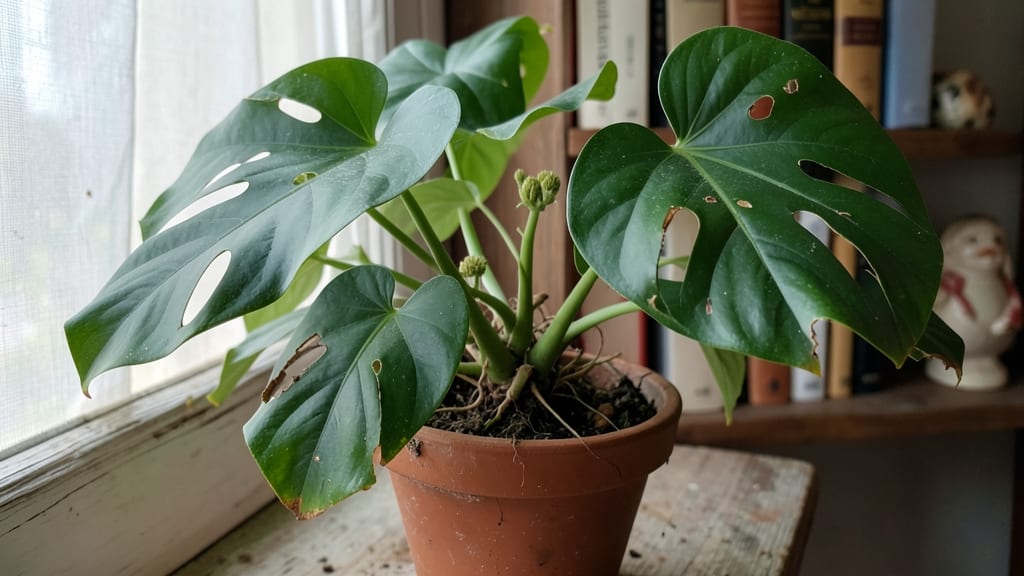
Growing tropical large plants like Monstera and Bird of Paradise transforms any space into a lush, vibrant retreat. 🌿 I’ve learned the hard way that these giants aren’t just about placing them in a sunny corner—they demand a mix of humidity, light, and pruning that keeps them thriving year-round.
The key isn’t just picking the right species but creating the ideal microclimate for them to flourish.
Most people overlook how much these plants respond to consistent care. You’ll need well-draining soil, regular watering (but never soggy roots), and occasional fertilizing to fuel their rapid growth.
Indoor varieties like Philodendron and outdoor palms both need bright, indirect light—too much sun scorches their leaves, while too little leaves them leggy and sparse. The payoff? Plants that grow 3-6 feet per year with the right conditions.
Strategic pruning is where the magic happens. Snipping back overgrown stems not only keeps your plant compact but also encourages bushier, healthier growth. I’ve seen Monstera vines double in size in just a few months after a good pruning session.
Plus, you’ll avoid the heartbreak of pests or diseases catching hold in dense foliage. The result? A plant that stays lush, productive, and stunning for years.
Whether you’re growing these indoors near a sunroom window or outdoors in a sheltered patio, the principles stay the same. The only difference is adjusting for seasonal temperature shifts—like bringing potted plants inside before the first frost. Let’s get your tropical giants growing strong and healthy!
📚 In This Guide
- What you need
- Instructions
- Tips and common mistakes
- Wrapping up and next steps
What you need
- ● Pruning shears – Bypass-style, sharp, and sturdy (e.g., Felco F-2 or similar) – 1 pair
- ● Loppers – For thicker branches (1.5”–2” diameter) – 1 pair
- ● Hand pruners – For delicate trimming (smaller stems) – 1 pair
- ● Gloves – Heavy-duty, cut-resistant (e.g., Mechanix or gardening gloves) – 1–2 pairs
- ● Disinfectant (70% isopropyl alcohol or bleach solution) – To sterilize tools between cuts – Small bottle
- ○ Pruning sealant (optional) – For large cuts (e.g., Tree Seal Tape) – Small roll
- ● Heavy-duty trash bags – For debris disposal – 1–2 bags
- ● Watering can or hose with nozzle – For post-pruning hydration – 1 unit
- ● Pole saw – For high branches (10–20 ft reach)
- ● Extension ladder – Aluminum or fiberglass, rated for your plant’s height
- ● Sharp knife or machete – For thick, woody stems (e.g., banana plants)
- ● Plant food (balanced fertilizer) – Post-pruning boost (e.g., 10-10-10 or tropical blend)
- ● Mulch (wood chips or pine straw) – To retain moisture and protect roots
Step-by-step guide to pruning tropical large plants for year-round health
Here’s how to keep your tropical giants lush and thriving without overcomplicating it.
✂️ Step 1: Assess the Plant for Pruning Needs
Start by examining your tropical plant for signs of overgrowth, dead leaves, or leggy stems. I focus on three key areas: yellow or brown leaves, stems longer than 12 inches, and branches rubbing together. These are your pruning targets. Use clean, sharp pruning shears to avoid tearing the plant tissue, which can invite disease.
I like to prune in the morning when the plant is hydrated and the air is cooler. This reduces stress on the plant and gives it time to recover before the heat of the day. If you’re unsure where to cut, look for natural branch points or nodes—these are the ideal spots to encourage new growth.
✂️ Step 2: Remove Dead or Damaged Foliage
Begin by snipping off any dead, yellowed, or diseased leaves at their base. These are energy drains and can spread problems to healthy parts of the plant. For large tropicals like monsteras or fiddle-leaf figs, I also remove any leaves that are more than 25% brown or crispy, even if they’re not fully dead yet.
Use a 1-inch downward cut just above a leaf node or branch. This ensures the plant can heal cleanly and redirect energy to new growth. Avoid leaving stubs—this prevents rot and encourages stronger regrowth. If you’re dealing with a large plant like a rubber plant, break up the task into sections to avoid overwhelming the plant.
✂️ Step 3: Prune Leggy or Overgrown Stems
Leggy stems are a sign your plant needs more light or has outgrown its space. For stems longer than 12 inches, cut back to a healthy node or branch point. This encourages bushier growth and prevents the plant from toppling over. If you’re pruning a plant like a philodendron, I often cut stems back to 6-8 inches to maintain a compact shape.
Here’s the thing—don’t panic if you cut too much at once. Tropical plants are resilient, but I recommend pruning no more than one-third of the plant’s foliage in a single session. If you’re unsure, start with just the most obvious overgrowth and reassess in a few weeks. You’ll see new leaves emerge within 4-6 weeks if the plant is otherwise healthy.
💧 Step 4: Post-Pruning Care for Recovery
After pruning, give your plant a deep watering to help it recover. Tropicals need consistent moisture, especially after a major trim. I water until the soil is evenly damp 2-3 inches deep, then let it dry slightly before watering again. Avoid letting the soil stay soggy, as this can lead to root rot.
Move the plant to a spot with bright, indirect light for a few weeks post-pruning. This gives it time to adjust without the stress of direct sun. If you’ve pruned a large plant like a bird of paradise, you might notice new shoots emerging from the base within 2-3 weeks. This is a great sign that the plant is recovering and preparing to grow even fuller.
⏰ Step 5: Monitor and Maintain Growth
Keep an eye on your plant over the next 6-8 weeks for new growth. If you notice yellowing leaves or slow growth, it might need more light or fertilizer. I use a balanced liquid fertilizer every 4-6 weeks during the growing season to support recovery. Avoid fertilizing immediately after pruning—wait until you see new growth.
Real talk: Pruning isn’t a one-time fix. Tropical plants grow fast, so I repeat this process every 3-6 months depending on the plant’s size and growth rate. The key is consistency—small, regular prunings keep your plant looking its best without shocking it. You’ll end up with a tropical giant that’s fuller, healthier, and ready to handle year-round indoor conditions.
Tips & tricks for pruning tropical large plants
A few simple tricks will help you prune like a pro and keep your tropical giants thriving all year. Here's what nobody tells you about making this process easier and more effective.
Timing is Everything: Morning is the absolute best time to prune because the plant's cells are fully hydrated and the cooler air reduces stress. I've found that tropical plants recover faster when pruned before noon, giving them the entire day to adjust. If you must prune later, make sure to give your plant extra water afterward to compensate for the afternoon heat.
Tool Selection Matters: Never use dull scissors or garden shears—they crush plant tissue instead of making clean cuts. Invest in a good pair of bypass pruning shears for stems up to 1/2 inch thick, and a pruning saw for thicker branches. I always sterilize my tools with rubbing alcohol between cuts to prevent disease spread. Sharp tools make all the difference in how well your plant heals.
The One-Third Rule: When pruning large tropicals, never remove more than one-third of the foliage in a single session. This prevents shock and allows the plant to redirect energy efficiently. If you're dealing with a particularly overgrown plant like a rubber tree, break the process into two sessions spaced two weeks apart. You'll see new growth emerge within 4-6 weeks if you follow this guideline.
Propagate Your Cuttings: Don't throw away those pruned stems! Many tropical plants root easily in water. Place cuttings in a jar of water with just the nodes submerged, and change the water every 3-4 days. Within 2-3 weeks, you'll have new baby plants ready to pot up. This is how I've expanded my collection of monsteras and philodendrons—it's like getting free plants!
Pro Tips for Tropical Large Plants
- A few simple tricks will help you prune like a pro and keep your tropical giants thriving all year.
- Timing is Everything: Morning is the absolute best time to prune because the plant's cells are fully hydrated and the cooler air reduces stress.
- Tool Selection Matters: Never use dull scissors or garden shears—they crush plant tissue instead of making clean cuts.
Frequently asked questions
Got questions about keeping tropical large plants lush and thriving?
Here are answers to the most common ones—because even the jungle’s giants need a little TLC!
How often should I prune tropical large plants?
Prune tropical plants like Monstera deliciosa or Philodendron bipinnatifidum 2-3 times a year—focus on spring/summer for new growth. Light trims (removing yellow or damaged leaves) can happen year-round. Avoid heavy pruning in winter, as growth slows. Pro tip: Use clean, sharp tools to prevent stress!
Can tropical large plants survive winter indoors?
Yes! Most tropical plants thrive indoors in winter with bright, indirect light (south/west-facing windows work best). Keep humidity high (mist leaves or use a pebble tray) and avoid drafts. If leaves yellow, it’s often from overwatering—let soil dry slightly between waterings. Bonus: Rotate plants weekly for even growth!
What’s the best alternative if my space is too small?
If your home lacks space for giants like Fiddle Leaf Figs, try smaller tropical companions:
- Pothos (trailing, low-light tolerant)
- ZZ Plant (drought-resistant, pet-friendly)
- Calathea (compact, stunning foliage)
Why are my tropical plant’s leaves turning brown and crispy?
Crispy edges usually mean low humidity or underwatering. Check soil moisture first—stick your finger in 1-2 inches deep; if dry, water thoroughly. Boost humidity with a humidifier or group plants together. Avoid: Cold drafts (like AC vents) or fluoride-rich tap water (use filtered water if possible).
Can I propagate my pruned cuttings?
Most tropical plants (like Monstera or Philodendron) root easily in water. Dip cuttings in rooting hormone (optional), place in water, and change it weekly. Keep in bright, indirect light—roots should appear in 2-4 weeks! Repot in soil once established. Pro move: Propagate in spring for best success.
Wrapping up and next steps
Transforming your space with tropical large plants isn’t just about aesthetics—it’s about creating a thriving, year-round oasis with the right care.
By mastering strategic pruning, you’ll keep your greenery lush, healthy, and full of life while preventing overgrowth and pests. 🌿 Whether you’re trimming for shape, health, or seasonal renewal, every snip is a step toward a more vibrant garden.
Ready to take the next step? Start small—pick one plant and practice your pruning skills today! With patience and practice, you’ll soon be a tropical plant whisperer, turning your outdoor (or indoor!) space into a lush paradise. Happy pruning! ✂️🌺