
Companion Plants
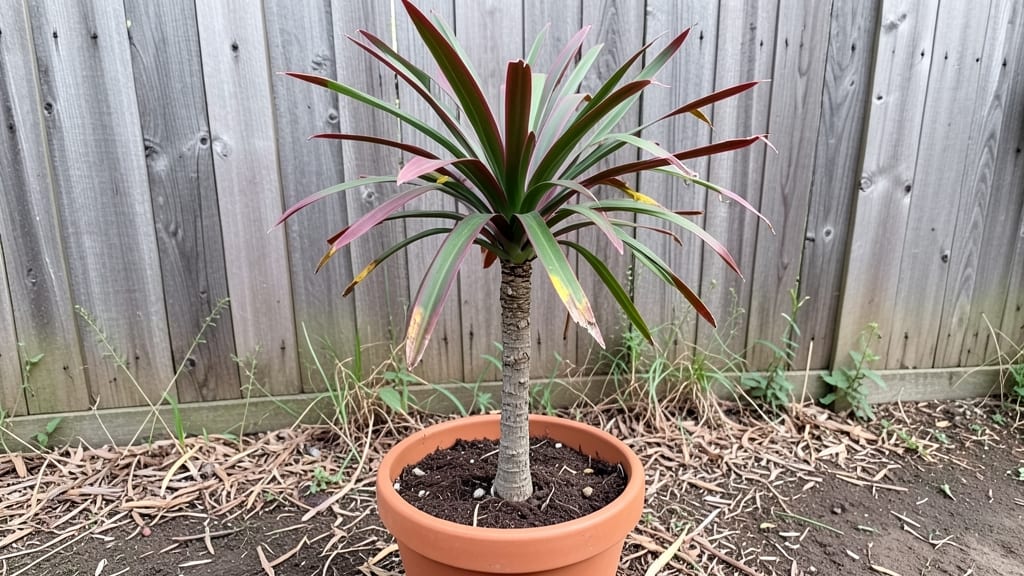
Finding unique outdoor plants that double as a pollinator magnet feels like uncovering nature's hidden treasures. ✨ I've hunted through nurseries and seed catalogs for plants that stop neighbors mid-stride to ask, "What is that?"—and these are the standouts that bring color, texture, and buzzing life to gardens from spring through frost.
These aren't your average hostas or daylilies—they're the kind of plants that turn heads with velvety foliage, unusual blooms, or fragrant surprises. Think black mondo grass for dramatic contrast, coral bells with their neon foliage, or bee balm that hums with pollinators.
Most thrive in partial shade to full sun and handle average soil, making them perfect for almost any yard.
What you'll get is a garden that feels alive year-round—not just in summer. The buttery-yellow flowers of sneezeweed attract bees by the hundreds, while Russian sage brings late-season color and fragrance. Even the foliage plants like heuchera or Japanese forest grass add texture that keeps interest high when flowers fade.
Here's the best part: these plants work in containers, borders, or as focal points, so you can mix them into any design. Whether you're filling a shady corner or brightening a sunny patch, these pollinator powerhouses deliver low-maintenance beauty that keeps giving back to your local ecosystem.
📚 In This Guide
- What you need
- Instructions
- Tips and common mistakes
- Wrapping up and next steps
What you need
- ● Unique pollinator-friendly plants (5–10 varieties): Native wildflowers (e.g., Echinacea, Rudbeckia, Asclepias) – 3–5 plants per type
- ● Perennials with long bloom seasons (e.g., Coneflower, Black-Eyed Susan) – 4–6 plants
- ● Shrubs for structure (e.g., Butterfly Bush, Spirea) – 2–3 plants
- ● Grasses for texture (e.g., Miscanthus, Switchgrass) – 2–4 clumps
- ● Well-draining soil: Native soil mix or compost-amended topsoil (50% native, 50% compost) – 1–2 cubic yards
- ● Organic mulch: Wood chips, straw, or pine needles – 2–3 inches, 10–20 bags
- ○ Watering system: Drip irrigation kit or soaker hoses – Optional but highly recommended
- ● Gardening tools: Trowel or transplant spade
- ● Pruning shears (for shaping)
- ● Garden fork (for aerating soil)
- ● Wheelbarrow (for moving soil/mulch)
- ● Safety gear: Gloves (heavy-duty for mulch/soil)
- ● Knee pads (for comfort)
- ● Sunscreen & hat (if working in full sun)
- ○ Optional extras: Birdhouses or bat boxes (to attract more pollinators)
- ● Pollinator-friendly fence panels (for vertical gardens)
- ● Rain gauge (to monitor watering needs)
- ● ✅ Sunlight assessment: Identify areas with 6+ hours of sun (most pollinators love full sun!)
- ● ✅ Water access: Ensure a nearby hose or irrigation source
- ● ✅ Local climate knowledge: Check USDA Hardiness Zone for plant suitability
- ● ✅ Pest control plan: Research neem oil or companion planting to deter pests naturally
How to design a year-round pollinator haven with unique plants
Here's the approach I've used to create thriving, low-maintenance gardens that keep bees, butterflies, and hummingbirds visiting from spring through frost.
🌱 Step 1: Select Plants for Seasonal Blooms and Pollinator Appeal
Start with a mix of native perennials and unusual ornamentals that provide continuous nectar and pollen across seasons. I focus on four key categories: early spring bloomers, summer workhorses, late-season staples, and winter interest plants. For example, Russian sage (Salvia yangii) thrives in full sun and blooms from mid-summer to frost, while Christmas fern (Polystichum acrostichoides) offers winter greenery and shelter for overwintering insects.
Look for plants labeled "pollinator-friendly" or "native"—these have evolved alongside local wildlife. Coneflowers (Echinacea) and bee balm (Monarda) are classic choices, but don’t overlook unusual options like coral bells (Heuchera) for their spring foliage and fall berries, or smooth sumac (Rhus glabra) for its tall, feathery plumes that attract butterflies in late summer.
☀️ Step 2: Plan for Sun Exposure and Microclimates
Most pollinator plants need at least 6 hours of direct sun daily, but some—like foxglove (Digitalis) or lungwort (Pulmonaria)—thrive in partial shade. Map your garden’s sun patterns by observing which areas get morning sun only, afternoon shade, or full sun all day. I group sun-lovers (like black-eyed Susans or purple coneflower) together in the south-facing beds, while shade-tolerant plants (such as columbine or bleeding heart) go in north-facing or woodland-edge spots.
Use mulch (like shredded bark) to regulate soil temperature—cooler in summer, warmer in spring—which helps slow-release blooming across seasons. Avoid dense mulch layers near plant bases, as too much moisture can rot roots. Instead, keep it 2-3 inches deep and 2 inches away from stems.
💧 Step 3: Prepare Soil for Diverse Root Needs
Pollinator plants often have different soil preferences, so amend the soil based on their needs. Drought-tolerant species like yarrow (Achillea) or sedum (Stonecrop) prefer well-draining, lean soil, while moisture-loving plants like swamp milkweed (Asclepias incarnata) need rich, slightly acidic soil. I test soil pH with a simple kit and adjust with lime (to raise pH) or sulfur (to lower pH) as needed.
Incorporate compost (about 2-3 inches mixed into the top 6 inches of soil) to improve water retention and microbial activity, which helps roots access nutrients. For sandy soils, add peat moss to retain moisture; for clay soils, mix in perlite to improve drainage. Aerate compacted areas with a garden fork to encourage root growth and water penetration.
🌿 Step 4: Plant with Pollinator Pathways in Mind
Arrange plants in clusters of 3-5 (not single specimens) to create visible "landing strips" for bees and butterflies. I place early bloomers (like dwarf iris or wild ginger) near late-season blooms (such as goldenrod or asters) to ensure continuous forage. For butterflies, include host plants (like milkweed for monarchs or parsley for swallowtails) alongside nectar-rich flowers.
Leave some bare soil or leaf litter in shaded areas—this provides habitat for ground-nesting bees and overwintering insects. Avoid over-tidying in fall; dried seed heads (like those of coneflowers or black-eyed Susans) offer winter food for finches and goldfinches. If you must clean up, delay until late spring when pollinators have access to fresh blooms.
✂️ Step 5: Maintain with Pollinator-Friendly Practices
Deadhead spent blooms only if they’re past their prime—many pollinators rely on late-season flowers. Instead, cut back perennials in early spring (before new growth appears) to protect overwintering insects. For woody plants like butterfly bush (Buddleia), prune in late winter to encourage new growth that will bloom earlier in the season.
Use organic pesticides and fungicides (like neem oil or soapy water sprays) to avoid harming beneficial insects. If aphids or spider mites appear, blast them off with a strong stream of water before resorting to chemicals. Avoid synthetic fertilizers—they can reduce nectar quality. Instead, side-dress with compost in early spring and fall to feed plants naturally.
Tips & tricks for creating a year-round pollinator haven
These practical insights will help you transform your outdoor space into a thriving ecosystem that supports pollinators throughout every season.
Seasonal Layering Strategy: In Step 1, when selecting plants, think beyond just visual appeal—prioritize plants that bloom at different times. For example, pair early spring bloomers like columbine (Aquilegia) with late-season stalwarts such as asters (Symphyotrichum). This creates a continuous food source that keeps pollinators visiting from March through November. I've found that including three distinct blooming periods creates the most reliable habitat.
Sun Mapping Technique: Step 2's emphasis on sun exposure is crucial, but here's how to take it further: Use a sun journal for a week to track which areas receive morning sun, afternoon shade, or full sun. Mark these zones with colored stakes—red for full sun, yellow for partial shade, and green for shade. This visual map makes it easier to group plants with similar light requirements together, preventing stress on delicate species like foxglove that prefer partial shade.
Soil Preparation Pro Tip: When amending soil in Step 3, don't overlook the importance of texture testing. Press a handful of your native soil—if it forms a tight ball that doesn't crumble, you likely have clay soil that needs perlite. For sandy soils that fall apart completely, add 2 parts peat moss to 1 part native soil. I've seen gardens fail because the soil wasn't properly amended—this simple test prevents costly mistakes. The 2-3 inches of compost recommendation is perfect, but work it into the top 6 inches of soil for maximum root development.
Pollinator Pathway Design: In Step 4, when creating those clusters of 3-5 plants, include at least one ground cover like creeping thyme (Thymus serpyllum) between taller specimens. This provides shelter for small insects and creates a more natural, layered look. Also, leave 10-15% of your garden area with bare soil or leaf litter—this is critical habitat for ground-nesting bees that make up about 70% of bee species.
Pro Tips for Unique Outdoor Plants
- These practical insights will help you transform your outdoor space into a thriving ecosystem that supports pollinators throughout every season.
- Seasonal Layering Strategy: In Step 1, when selecting plants, think beyond just visual appeal—prioritize plants that bloom at different times.
- Sun Mapping Technique: Step 2's emphasis on sun exposure is crucial, but here's how to take it further: Use a sun journal for a week to track which areas receive morning sun, afternoon shade, or full sun.
Frequently asked questions
Which unique outdoor plants attract the most pollinators?
Look for native species like bee balm (Monarda), coneflowers (Echinacea), and purple coneflower (Rudbeckia). These plants offer nectar and pollen, drawing bees, butterflies, and hummingbirds. Pro tip: Cluster plants in groups of 3+ for maximum impact!
When is the best time to plant these pollinator-friendly species?
For most regions, spring (after the last frost) or early fall are ideal. Perennials (like lavender or sedum) can handle cooler temps, while annuals (e.g., sunflowers) thrive when planted in warm soil. Troubleshoot: If planting late, use mulch to protect roots from cold snaps!
Can I grow these plants in containers or small spaces?
Compact varieties like dwarf coneflower or thyme thrive in pots. Use well-draining soil and ensure containers are at least 12 inches deep. Alternative: Try vertical gardens with trailing plants like creeping thyme for balconies or patios.
How do I protect these plants from pests or harsh weather?
Most pollinator plants are hardy, but deer-resistant options like Russian sage or catmint help. For pests, neem oil or companion planting (e.g., marigolds) works wonders. Prep tip: Add a 3-inch mulch layer to retain moisture and insulate roots in winter.
What if my local climate isn’t ideal for these plants?
Choose drought-tolerant species like yarrow or blanket flower for dry areas. For cooler climates, opt for heather or salvia, which handle frost. Adjust: Extend seasons with seasonal layering—plant bulbs (e.g., crocus) alongside perennials for year-round interest.
Wrapping up and next steps
Transforming your outdoor space into a pollinator paradise is easier—and more rewarding—than you think! These unique outdoor plants not only thrive year-round but also support bees, butterflies, and hummingbirds while adding stunning visual appeal.
Whether you’re a seasoned gardener or just starting, every small step—like planting native species or creating a water source—makes a big difference for local ecosystems. 🌿
Ready to take action? Start small: pick one plant from this list, prep your soil, and watch your garden buzz with life! 🐝🌸 Your green thumb (and the pollinators) will thank you!