Flowers
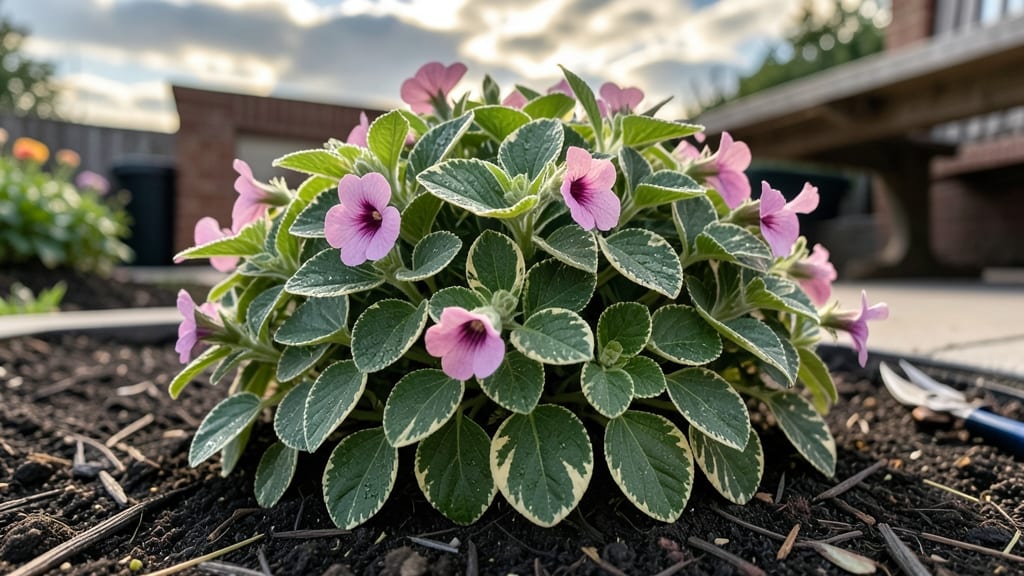
The variegated impatiens plants I’ve grown in hanging baskets and window boxes for years bring shockingly lush color to shady spots with almost no effort—creamy-white foliage with splashes of pink or purple never fails to brighten dull corners. 🌿 These plants thrive where others struggle, making them the perfect choice for beginners or busy gardeners.
The secret to their vibrant appearance starts with the right conditions: partial shade, consistently moist soil, and a container with drainage. Most people overwater, but impatiens actually prefer their roots to stay damp—not soggy.
A 5-gallon pot is ideal for one plant, and you’ll see new growth within weeks of planting.
By summer’s end, your variegated impatiens will be a neighbor-jealousy centerpiece, spilling over edges with delicate blooms. The key to keeping them looking fresh? Prune leggy stems in early spring and fertilize lightly every 4-6 weeks. They’re tougher than they look—even my black thumb can’t kill these.
Works beautifully in containers, window boxes, or garden beds, and they’ll reward you with color from late spring until frost. Here’s how to keep them thriving all season long.
📚 In This Guide
- What you need
- Instructions
- Tips and common mistakes
- Wrapping up and next steps
What you need
- ● Variegated impatiens plants: 3–6 seedlings or mature plants (check for healthy foliage and vibrant variegation)
- ● Well-draining potting mix: 10–15 gallons (look for a blend labeled for shade-tolerant plants or add perlite for extra drainage)
- ● Containers or garden beds: For containers: 6–12-inch pots (1 plant per pot) with drainage holes
- ● For garden beds: Partial to full shade spots with moist, rich soil
- ● Slow-release fertilizer: 1–2 tablespoons per plant (balanced 10-10-10 or organic options like worm castings)
- ● Watering can or hose with a gentle spray nozzle: For consistent moisture without disturbing roots
- ● Pruning shears: For trimming leggy stems (sterilize with rubbing alcohol)
- ○ Mulch (optional): 1–2 inches of shredded bark or coconut coir to retain moisture
- ○ Shade cloth (optional): Lightweight fabric (30–50% shade) for hotter climates
- ○ Plant labels (optional): To track varieties if mixing colors
Step-by-step guide to growing thriving variegated impatiens
Here’s how to cultivate these shade-loving beauties—lush foliage and vibrant blooms guaranteed with minimal fuss.
🌱 Step 1: Select and Prepare the Right Containers
Variegated impatiens thrive in 4-6 inch pots with drainage holes—their delicate roots despise soggy soil. I use terra cotta containers for four plants, as the porous material helps regulate moisture better than plastic. Fill each pot with 2 gallons of high-quality potting mix (avoid garden soil—it compacts and suffocates roots).
Tap the pot gently to settle the soil, then press down lightly with your fingers to create a firm planting surface. The mix should feel like a damp sponge—not bone-dry, not dripping wet. This ensures roots establish quickly without drowning.
☀️ Step 2: Plant in Partial to Full Shade
Impatiens cannot tolerate direct sun—their variegated leaves scorch within hours. Place your pots in a location with morning sun and afternoon shade, or under dappled light from trees. A north-facing porch or east-facing window works perfectly. If growing outdoors, avoid spots where leaves bake by midday.
Gently remove the plant from its nursery pot and loosen the root ball if it’s tightly bound. Position the impatiens so the top of the root ball sits ½ inch below the pot’s rim—this prevents water from pooling at the base during heavy rains. Fill gaps with additional potting mix, pressing lightly to eliminate air pockets.
💧 Step 3: Water Consistently Without Overdoing It
Variegated impatiens demand consistent moisture—their leaves wilt dramatically if soil dries out, but they also rot if soggy. Water when the top inch of soil feels dry to the touch, typically every 2-3 days in warm weather. Use room-temperature water to avoid shocking the roots.
Water deeply until it drains freely from the bottom holes, then empty the saucer 10 minutes later. This prevents root rot while ensuring the plant stays hydrated. In high humidity, you may only need watering every 4-5 days—always check the soil before watering.
✂️ Step 4: Fertilize Lightly and Prune for Bushiness
Feed your impatiens every 4-6 weeks with a balanced liquid fertilizer (10-10-10) diluted to half-strength. Over-fertilizing burns their sensitive roots, so less is always better. I mix it into the watering can and apply it in the early morning to avoid leaf scorch.
Pinch back the tips of new growth when plants reach 6 inches tall to encourage bushier, fuller foliage. Remove spent blooms regularly—this redirects energy into producing more flowers instead of seed pods. Deadheading also keeps the plant looking tidy and prevents legginess.
🌿 Step 5: Protect from Pests and Monitor for Stress
Impatiens attract aphids and spider mites, especially in dry conditions. I spray plants with neem oil solution (1 tsp per quart of water) at the first sign of sticky residue on leaves. For severe infestations, repeat every 5-7 days until pests disappear. Avoid chemical pesticides—they harm beneficial insects and may damage the variegated leaves.
Watch for yellowing leaves, which signal overwatering or poor drainage. If spots develop, reduce watering slightly and ensure pots aren’t sitting in saucers of standing water. Variegated impatiens also drop leaves in cold drafts—keep them away from air conditioning vents or open windows in chilly weather.
Tips & tricks for perfect variegated impatiens care
Here's what nobody tells you about keeping these delicate beauties thriving with minimal effort.
Container Selection Wisdom: Terra cotta pots are my go-to for variegated impatiens because their porous nature actually helps regulate moisture better than plastic. The 4-6 inch size range is ideal—too small and roots get cramped, too large and soil stays damp too long. If you must use plastic, choose containers with extra drainage holes to compensate for their moisture-retaining properties. Pro tip: Group pots together to create a microclimate that maintains consistent humidity around the plants.
Lighting Strategy: The morning sun and afternoon shade rule is non-negotiable for variegated impatiens. Here's the secret: if you notice the variegated leaves developing brown edges, you're getting too much direct sun. Move your plants to a spot where they receive bright, indirect light all day. In summer, afternoon shade is especially critical—even a few hours of direct sun can scorch those delicate leaves. A sheer curtain can diffuse harsh sunlight if you don't have ideal natural lighting.
Watering Technique: That 10-minute drain time after watering is crucial—it prevents root rot while ensuring the plants get proper hydration. I've learned the hard way that leaving water in saucers leads to soggy soil and yellowing leaves. For the 2-3 day watering schedule, use your finger to check moisture: if the top inch feels dry, it's time to water. In high humidity, you can stretch to 4-5 days, but always prioritize checking soil moisture over following a rigid schedule. Room temperature water is a game-changer—it prevents temperature shock that can stress the plants.
Fertilizer Application: The half-strength 10-10-10 fertilizer rule is perfect for these sensitive plants. I mix it directly into my watering can for even distribution, but here's the breakthrough: apply it only in the morning. This gives the plants time to metabolize the nutrients before the heat of the day. Over-fertilizing is the #1 mistake—you'll know you've gone too far when you see crispy leaf edges or stunted growth. Always err on the side of less fertilizer, especially in cooler months when growth slows down.
Pro Tips for Variegated Impatiens Plants
- Here's what nobody tells you about keeping these delicate beauties thriving with minimal effort.
- Container Selection Wisdom: Terra cotta pots are my go-to for variegated impatiens because their porous nature actual...
- Lighting Strategy: The morning sun and afternoon shade rule is non-negotiable for variegated impatiens. Here's the se...
Frequently asked questions
Got questions about keeping your variegated impatiens thriving? You're not alone! Here are some of the most common concerns—and their easy solutions.
Are variegated impatiens annuals or perennials?
In most climates, variegated impatiens are treated as tender annuals because they struggle in frost. However, in USDA Zones 10–11 (or greenhouses), they can survive as perennials with winter protection. If you love them, treat them like a seasonal favorite—plant new ones each spring!
How long does it take for variegated impatiens to bloom?
With proper care, you’ll see color in just 6–8 weeks after planting! Start seeds indoors 8–10 weeks before your last frost, or buy young plants from nurseries for faster blooms. Patience pays off—once established, they’ll flower nonstop until frost.
Why are my variegated impatiens’ leaves turning yellow or brown?
Yellowing leaves often signal overwatering (check soil moisture!) or nutrient deficiency (use a balanced fertilizer). Brown edges? It could be low humidity or salt buildup from tap water. Try misting leaves or using distilled water, and ensure good drainage.
Can I grow variegated impatiens in containers or hanging baskets?
Absolutely!
These plants thrive in containers, especially hanging baskets, where their trailing stems add drama. Use well-draining potting mix and a minimum 6-inch pot per plant. For extra vibrancy, pair them with caladiums or fuchsias in mixed baskets.
Are variegated impatiens deer- or pest-resistant?
Unfortunately, deer and rabbits love them—so protect them with fencing or repellents. As for pests, watch for aphids or spider mites (especially in dry conditions). A gentle spray of neem oil or insecticidal soap usually does the trick!
Still stumped? Drop your question in the comments—we’re happy to help your variegated impatiens shine!
Wrapping up and next steps
Variegated impatiens bring vibrant, low-maintenance beauty to any garden or indoor space, thriving with just a little love and the right conditions. Whether you're a seasoned gardener or a beginner, these plants reward you with year-round color—perfect for brightening up shady spots or adding a pop of contrast.
Ready to transform your space? Grab your variegated impatiens, follow the tips above, and enjoy the easy, rewarding experience of growing these stunning blooms!
🌱 Next step: Start with a single plant or a small batch, experiment with placement, and watch your garden (or windowsill!) come alive with effortless elegance.