Shrubs
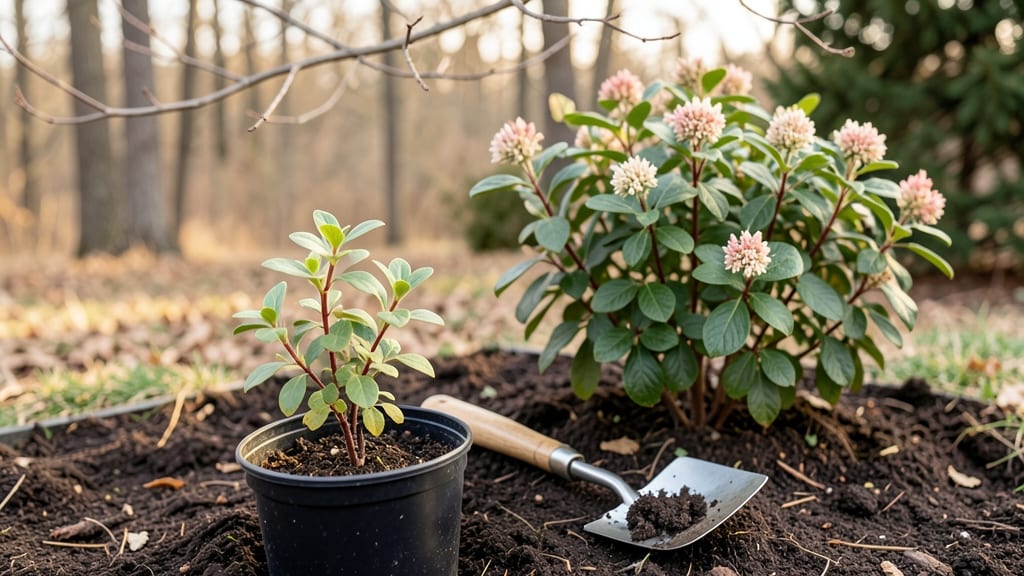
Planting viburnum 🌿 with the right distance ensures your shrubs grow strong, bloom vibrantly, and stay healthy for years.
Struggling to get your viburnum shrubs to thrive? The secret might be hiding in plain sight—proper spacing can mean the difference between lush, blooming shrubs and stunted, disease-prone plants. Get the spacing rules right to maximize growth, airflow, and those stunning spring flowers.
Most gardeners focus on soil or sunlight, but spacing is just as critical. A 3-foot gap for dwarf varieties or a 10-foot stretch for large shrubs determines how well your viburnum thrives. Too close, and you risk fungal diseases; too far, and you waste garden space.
Below, I break down the exact distances for different viburnum types, how to adjust for your garden layout, and the common mistakes that sabotage growth—so you can plant with confidence and enjoy full, healthy blooms every spring.


Optimal Viburnum planting distance by species and growth habit
Getting your viburnum spacing right is the foundation for healthy growth and vibrant blooms. Each species has unique needs—some sprawl wide, while others grow tall. Compact varieties like Viburnum bodnantense need less room, while sprawling types like Viburnum plicatum require generous spacing.
Ignoring these differences can lead to crowded foliage, poor airflow, and even fungal diseases. Let’s dive into the specifics so your viburnums thrive from the start.
Proper spacing isn’t just about giving roots room to grow—it’s also about ensuring each plant gets the right amount of sunlight and air circulation. A 3-foot spacing for dwarf varieties might work, but Viburnum dentatum, which can reach 10 feet tall, needs 6-8 feet of space.
Poor spacing often shows up as weak stems, fewer flowers, or yellowing leaves. Let’s break down the best practices for each type to keep your garden looking its best.
Here’s a quick guide to help you visualize the ideal spacing for common viburnum species. Use this as your reference before digging—it’ll save you time and heartache later.
Now that you’ve got the spacing basics, let’s talk about why these numbers matter. Viburnum plicatum
How to adjust Viburnum spacing for different garden layouts
Viburnum shrubs thrive when their spacing matches your garden’s purpose—whether it’s a privacy screen, windbreak, or layered border. Too close, and you’ll battle for nutrients and airflow; too far, and you waste space.
The key is balancing mature plant width, growth habit, and design goals while keeping pruning needs realistic.
For hedges, aim for 2-3 feet apart for compact varieties like Viburnum burkwoodii, but stretch to 5-6 feet for sprawling types like Viburnum plicatum (Japanese snowball). Privacy screens need even wider gaps—6-8 feet—to ensure full coverage without overcrowding.
Always measure canopy spread, not just height, to avoid future pruning headaches.
- 🌿 Hedges: Plant 2-3 ft apart for compact viburnums, 4-5 ft for standard types. Trim annually to maintain shape and encourage dense growth.
- 🌳 Privacy Screens: Space 6-8 ft apart for full-height coverage. Use 3 plants per 10 ft of fence line for a lush, unbroken barrier.
- 🌬️ Windbreaks: Stagger plants 5-7 ft apart in a staggered grid. Wider spacing (8 ft) reduces wind resistance for taller varieties like Viburnum lentago.
- 🌺 Layered Borders: Place dwarf viburnums (3-4 ft apart) in front, medium types (5-6 ft apart) behind them. Leave 12-18 inches between rows for easy maintenance.
- 🪴 Mixed Shrubbery: Group 3-5 plants per cluster, spacing clusters 6-8 ft apart. Pair with perennials or ground covers (e.g., heuchera) to fill gaps naturally.
When designing windbreaks, calculate spacing based on mature height: multiply the canopy width** by 1.5 for optimal airflow. For example, a Viburnum dentatum (arrowwood) with a 10-foot spread should be planted 15 feet apart. This prevents wind damage while allowing light penetration to underlying plants.
For layered designs, start with dwarf viburnums (e.g., Viburnum bodnantense) at the front, spaced 3-4 feet apart, then add taller varieties like Viburnum opulus (craneberry) 5-6 feet apart behind them.
This creates depth while ensuring each layer gets adequate sunlight and airflow. Mulch heavily between rows to suppress weeds and retain moisture.
Pro tip: Use string lines to mark planting spots before digging. For curved borders, adjust spacing slightly wider on outsides of curves to maintain visual balance.
Always account for future growth—what looks snug now will feel cramped in 5 years. A little extra space now saves hours of pruning later!
Finally, consider companion plants to fill gaps. Pair viburnums with ornamental grasses (e.g., Carex spp.) or low-growing perennials like Ajuga to soften edges and reduce maintenance. With the right spacing, your viburnums will flourish—blooming like crazy and requiring minimal fuss. 🌷