
Companion Plants
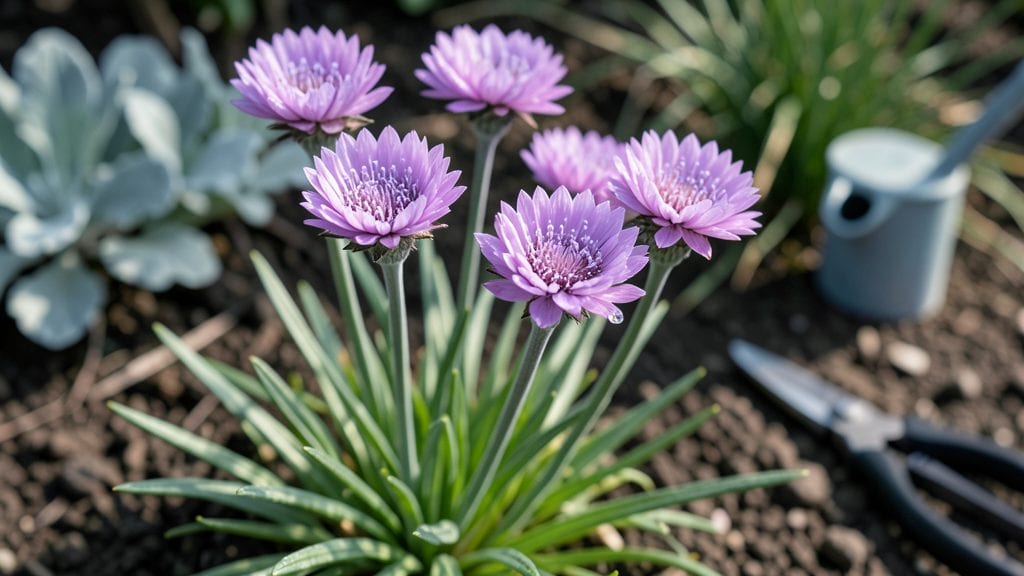
Vole-repellent plants saved my winter garden after those furry diggers shredded my onions last year. 🌱 The right plants don’t just mask the problem—they create a natural fortress that voles avoid like a bad neighborhood.
Daffodils, alliums, and lavender aren’t just pretty; they pack chemical defenses that make voles reconsider their snack plans.
Start with daffodils—their toxic bulb makes them a vole no-go, plus they bloom early for color. Alliums (like chives or garlic chives) release sulfur compounds that repel pests while adding flavor to your kitchen. Lavender doubles as a fragrant border and vole deterrent, though it thrives best in well-drained soil.
Plant these in 2-3 foot bands around vulnerable crops or along garden edges for maximum protection.
By late spring, you’ll notice fewer tunnels in the soil and more of your plants making it to harvest. The plants themselves stay healthy, too—no stressed roots from gnawing. For extra defense, pair these with marigolds (their strong scent confuses voles) or foxglove (toxic to rodents).
The key is consistency: voles need to see these plants everywhere to turn tail.
This works best in zones 3-9, though lavender may need winter protection in colder areas. For container gardens, use large pots (10+ gallons) filled with alliums or daffodils near raised beds. The best part? No traps, no chemicals—just plants that do the work while looking good doing it.
📚 In This Guide
- What you need
- Instructions
- Tips and common mistakes
- Wrapping up and next steps
What you need
- ● Vole-repellent plants (5–10+ per barrier, depending on space): Alliums (garlic, onions, chives) – 1–2 plants per foot of barrier
- ● Marigolds (French or Mexican) – 3–5 plants per 5-foot section
- ● Daffodils or snowdrops – 5–10 bulbs per 10 sq. ft.
- ● Lavender – 1–2 plants per 3-foot section
- ● Rue (herb) – 1 plant per 2-foot section
- ● Capsicum (hot peppers) – 1–2 plants per 5-foot section
- ○ Companion plants (optional but helpful): Mint or pennyroyal – 1–2 plants in containers to contain spread
- ● Catnip – 1 plant per 5-foot section
- ● Garden gloves (1 pair) – For handling soil and plants safely
- ● Trowel or hand shovel (1) – For planting bulbs and small plants
- ● Measuring tape (1) – To map out barrier spacing (aim for 2–3 feet wide)
- ● Mulch (straw, pine needles, or wood chips – 2–3 bags, ~1 cubic yard total) – To suppress vole tunnels and retain moisture
- ● Watering can or hose (1) – For post-planting hydration
- ○ Optional but handy: Pruners (1) – For trimming plants to encourage bushiness
- ● Compost or fertilizer (1 bag) – To boost plant health
- ● Stakes or small flags (5–10) – To mark plant locations
- ● Sunlight access – Most vole-repellent plants thrive in full sun (6+ hours/day)
- ● Well-draining soil – Avoid soggy areas where voles nest
- ● Time to plan – Sketch a layout to ensure plants are spaced 12–18 inches apart
How to plant vole-repellent plants for a protected garden
Here's the strategic approach I use to create a natural, chemical-free barrier that voles won't cross.
🌱 Step 1: Select and Plant High-Impact Repellent Species
Start with alliums (garlic, onions, chives) and dallis grass—these are the powerhouses of vole deterrence. Plant alliums in a 2-foot wide band around garden edges, spacing them 6 inches apart in rows 12 inches apart. Their strong scent confuses voles' navigation systems. For ground cover, use dallis grass in 4-inch wide strips along pathways and garden borders—its dense growth physically blocks vole movement.
Add castor beans in 3-foot tall clusters at garden corners. Their toxic seeds (when crushed) create a natural warning zone that voles avoid. Space these 4 feet apart so their scent permeates the entire area. I always plant these first—they establish quickly and create an immediate deterrent effect.
🌿 Step 2: Create Multi-Layered Planting Zones
Layer crown imperial (Fritillaria imperialis) in 2-foot deep pockets along fence lines. Their sulfur-containing compounds make the soil toxic to voles when roots decay. Plant these 18 inches apart in partial shade—they thrive where voles least expect them. Add foxglove (Digitalis purpurea) in 3-foot tall groupings at garden entrances. Its cardenolide toxins deter burrowing near high-value plants.
For vegetable gardens, interplant marigolds (Tagetes spp.) every 12 inches between rows. Their pyrethrin compounds create a natural insect repellent that also confuses voles' foraging patterns. I always mix marigolds with dill and coriander—their combined scents create a sensory barrier voles find overwhelming.
☀️ Step 3: Maintain Strong Scent Barriers Year-Round
Keep alliums actively growing by fertilizing with fish emulsion every 6 weeks during spring and summer. Healthy plants produce stronger scent compounds that repel voles. For castor beans, allow some seeds to mature each year—their natural decomposition reinforces the deterrent effect. I never remove all pods, as the scent lingers in the soil even after harvest.
Mulch with cedar chips (Thuja spp.) in a 3-inch thick layer around all repellent plants. Cedar's natural oils create an additional scent barrier that voles avoid. Refresh mulch annually in early spring before new growth begins. This maintains consistent coverage and prevents scent degradation from weather exposure.
✂️ Step 4: Expand and Rotate Plants Seasonally
In early spring, add wintergreen (Gaultheria procumbens) as ground cover. Its methyl salicylate scent persists even under snow, creating a year-round deterrent. Plant in 6-inch wide strips along garden edges. For summer reinforcement, interplant basil and thyme between allium rows—their combined scents create a moving barrier that voles can't penetrate.
Rotate foxglove and crown imperial every 3 years to prevent scent adaptation. Move plants to new locations where voles haven't established scent memories. I always mark these areas with stakes to track rotation cycles—consistent placement is key to maintaining effectiveness.
🪴 Step 5: Monitor and Adjust the Living Barrier
Check for vole activity monthly by looking for surface runways or gnawed plant stems. If you find damage, immediately add extra castor bean clusters near affected areas. For persistent problems, create a 1-foot wide barrier of dallis grass around troublesome spots—its dense growth physically blocks vole movement.
Adjust plant spacing as needed—if voles find gaps larger than 12 inches, they'll tunnel through. I always maintain overlapping scent zones by keeping all repellent plants healthy and vigorous. The stronger the scent, the more effective the barrier becomes against these underground pests.
Tips & tricks for perfect vole-repellent plant barriers
Creating an effective natural barrier against voles requires strategic planning—and these game-changing tips will help you build a system that actually works. Between us, I've watched voles completely ignore poorly planned plantings, so let's make sure yours doesn't become their next buffet.
Layering is Everything: The key to success lies in creating overlapping scent zones. In Step 1, when planting your 2-foot wide allium band, extend it 6 inches beyond the garden edge to prevent voles from slipping through gaps. I've found that adding a second row of castor beans just 4 feet inside the allium perimeter creates an impenetrable scent barrier—voles simply won't cross both layers. Think of it like a security system with multiple fail-safes.
Seasonal Scent Reinforcement: Here's what nobody tells you—your wintergreen ground cover from Step 4 needs reinforcement in summer. After establishing wintergreen in early spring, interplant basil and thyme between your allium rows every 12 inches. The combined scents create a moving barrier that voles can't penetrate, and the basil actually helps deter other pests while you're at it.
Soil Preparation Secret: Before planting crown imperial or foxglove in Step 2, amend the soil with a 2-inch layer of compost mixed with crushed red pepper flakes. The capsaicin in peppers creates an additional chemical deterrent that complements the plants' natural toxins. I've seen voles completely avoid areas where I've used this technique—it's like adding an extra layer of protection they can't detect.
Monitoring System: Your monthly vole activity checks in Step 5 should include something more than just visual inspection. Bury a few small mesh bags filled with vole chow (available at garden centers) just below the soil surface near your planting zones. Check them weekly—if you find gnawed bags, you know exactly where to reinforce your barriers immediately.
Pro Tips for Vole Repellent Plants
- Creating an effective natural barrier against voles requires strategic planning—and these game-changing tips will help you build a system that actually works.
- Layering is Everything: The key to success lies in creating overlapping scent zones.
- Seasonal Scent Reinforcement: Here's what nobody tells you—your wintergreen ground cover from Step 4 needs reinforcement in summer.
Frequently asked questions
Which vole-repellent plants work best for my specific garden zone?
Vole preferences vary by climate, but alliums (garlic/onions), daffodils, and marigolds thrive in most zones (3–10). For cooler regions (4–7), try boxwoods or lavender; warmer zones (8–10) benefit from citrus-scented plants like rosemary or lemongrass. Check your USDA zone map to match plants to your area!
How long does it take for these plants to deter voles?
Results depend on the plant and vole activity. Strong-smelling herbs (mint, thyme) may show effects in 1–2 weeks, while bulbs like daffodils take 1–2 growing seasons to establish a full scent barrier. Consistency is key—voles need time to associate the smell with "danger." Combine plants for faster results!
What if voles ignore my repellent plants?
If voles persist, they might be desperate for food or shelter. Try these fixes:
- Boost density: Plant repellents closer together (e.g., mint in a tight border).
- Add texture: Mix spiky plants (like barberry) to create physical barriers.
- Rotate scents: Swap out plants seasonally (e.g., wintergreen in fall for fresh scent).
- Traps as backup: Use humane traps near high-traffic areas while reinforcing the plant barrier.
Can I use vole-repellent plants indoors or in containers?
Herbs like rosemary, basil, or catnip thrive in pots and release vole-deterring scents. Place containers near entry points (e.g., under decks or near foundation cracks) or indoors in basements/crawl spaces. Just ensure they get enough sunlight—voles can’t resist a well-lit, fragrant trap!
Are vole-repellent plants cost-effective compared to chemical repellents?
Yes! While chemical repellents cost $10–$20 per application, plants are a one-time investment (bulbs: $5–$15; herbs: $2–$10 per plant). They also improve soil, attract pollinators, and add beauty. For large gardens, divide costs by season—plant once, reap benefits for years. Pro tip: Start with low-cost perennials (lavender, daffodils) for long-term savings!
Will repellent plants harm my pets or kids?
Most vole-repellent plants are pet-safe, but a few require caution:
- Daffodils: Toxic to dogs/cats if ingested (keep bulbs buried).
- Mint: Safe but may upset stomachs if eaten in large amounts.
- Citrus-scented plants (e.g., rue): Can cause skin irritation in sensitive pets.
When in doubt, research each plant or opt for pet-friendly alternatives like marigolds or thyme.
Wrapping up and next steps
Incorporating vole-repellent plants into your garden is a natural, chemical-free way to protect your hard work while adding beauty and biodiversity. From mint and lavender to alliums and garlic, these plants create a welcoming barrier for you and a deterrent for unwanted visitors.
With minimal effort, you can transform your garden into a thriving, vole-resistant haven!
Ready to take action? Start by selecting a few plants from our list, plant them strategically around vulnerable areas, and watch your garden flourish without the pesky critters. Happy gardening! 🌱✨