Watering
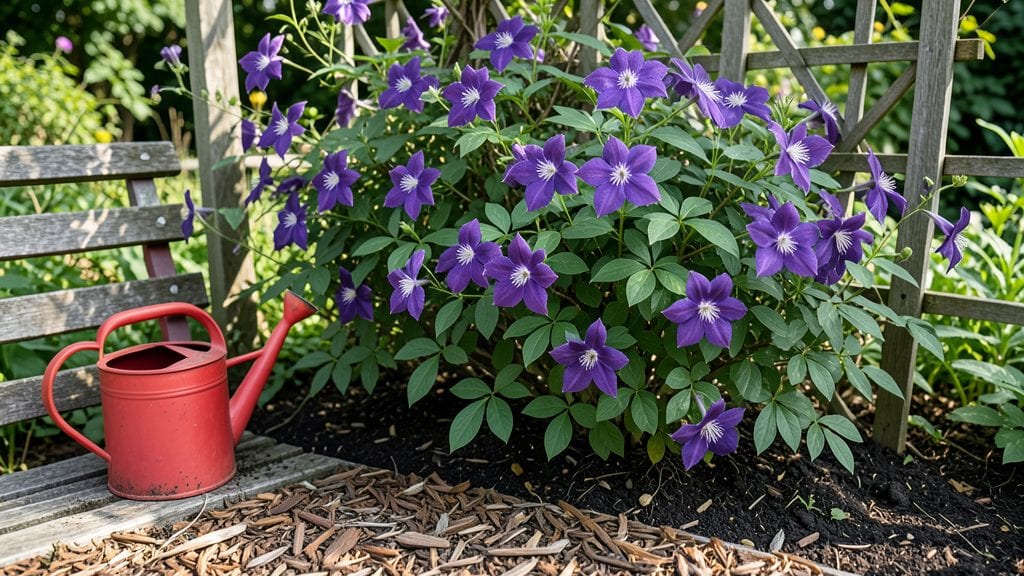
Watering clematis plants 🌸 the right way is the difference between a vine that bursts with vibrant blooms and one that struggles to survive.
Struggling to keep your clematis blooming year after year? The secret often lies in mastering the delicate balance of soil moisture—too little and flowers wilt, too much and roots rot. Discover the precise watering techniques that transform your clematis into a vibrant, repeat-blooming powerhouse.
Clematis thrives when its roots stay consistently moist but never soggy, which means deep soaks are more effective than frequent light sprinkles. Whether you're in Zone 6a or a warmer climate, the key is adapting your watering schedule to the seasons.
Below, I’ll break down exactly how often to water, how to spot over- or under-watering, and the best mulching tricks to keep your clematis happy—and blooming—all season long.


How often to water clematis for maximum blooms (by season)
Clematis plants thrive on consistent moisture but despise soggy roots—finding that sweet spot is key to lush blooms. Unlike drought-tolerant succulents, clematis needs regular watering, but the frequency shifts dramatically with the seasons.
In summer heat, you’ll water twice as often as in winter dormancy. Understanding these seasonal rhythms ensures your clematis stays hydrated without inviting root rot.
Your watering schedule should align with your clematis’s natural growth cycle. Young plants need more frequent watering to establish roots, while mature vines develop deeper root systems that store moisture. Soil type also plays a role: sandy soil drains quickly, while clay holds moisture longer.
Always check soil moisture by sticking your finger 2 inches deep—if it feels dry, it’s time to water.
Environmental factors like humidity and wind exposure further complicate the equation. A clematis in a humid climate may need less water, while one battling hot, dry winds will demand more. Adjust your routine based on real-time conditions, not just a rigid calendar.
Here’s a season-by-season breakdown to keep your clematis blooming beautifully year-round:
In spring, your clematis wakes up hungry after dormancy. Water deeply once a week, ensuring moisture reaches 12 inches down to encourage root growth. This is also the time to mulch heavily—2-3 inches of organic mulch retains moisture and regulates soil temperature.
Summer is when clematis demands attention. Water every 5-7 days, but check soil moisture daily during heatwaves. Morning watering is critical—it reduces evaporation and fungal risks.
If your clematis wilts by midday, it’s a sign you’re not watering deeply enough. Use a soaker hose to deliver water slowly at the base.
As fall arrives, reduce watering gradually. By October, your clematis should be in light dormancy, so cut back to bi-weekly watering. Overwatering in fall can lead to root rot before winter. Always water in the morning to allow foliage to dry before evening chill sets in.
Winter care is minimal but essential. Water only when soil is bone-dry, typically once a month. Mulch thickness should increase to 4-6 inches to insulate roots.
Avoid watering if the ground is frozen—it can damage roots and encourage rot. If your region experiences freezing temperatures, skip watering entirely until spring.
Pro tip: Group clematis plants together to create a microclimate that retains moisture. Use drip irrigation for precision, especially in containers where soil dries out faster. Always water at the base of the plant, never the leaves, to prevent fungal diseases like powdery mildew.
By mastering these seasonal rhythms, you’ll coax your clematis into blooming profusely from spring to fall. Pay attention to your plant’s signals—wilting leaves or yellowing foliage often mean you’ve missed the moisture mark.
Adjust as needed, and your clematis will reward you with vibrant, repeat blooms for years to come. 🌸
Signs your clematis is overwatered or underwatered (and how to fix it)
Clematis plants thrive on a consistent moisture balance, but getting it wrong can spell disaster. Overwatering suffocates roots with excess oxygen deprivation, while underwatering causes stress that stunts blooms.
Both issues often start subtly—until it's too late. Learning to read your clematis's signals early gives you the chance to correct the problem before wilting or mold takes hold.
Start by inspecting the soil texture and leaf condition regularly. Healthy clematis roots should feel moist but not soggy, while leaves should stay deep green and firm. If you notice yellowing edges or drooping stems, your plant is already sending distress signals.
The key is catching these signs before they escalate into root rot or bud drop.
⚠️ Warning: Clematis Watering Red Flags
Root Rot Risk: If soil stays damp for 48+ hours, roots suffocate and turn black/mushy. Fix: Stop watering, improve drainage with perlite/sand mix, and trim affected roots.
Fungal Alert: Gray mold on stems or leaves? Overwatering + poor airflow creates the perfect fungal breeding ground. Fix: Prune infected areas, space vines for airflow, and water at soil level (not foliage).
When your clematis is overwatered, look for mushy stems at the base and yellow leaves with brown spots. The soil may smell musty or sour, a clear sign of anaerobic conditions where roots can't breathe.
To fix this, reduce watering frequency and amend the soil with organic compost to improve aeration. For severe cases, consider repotting into a well-draining mix with added orchid bark.
On the flip side, underwatered clematis shows crispy leaf edges and wilted buds that fail to open.
The soil pulls away from the pot edges, and the vine may appear leggy or stretched as it reaches for moisture. Deep watering 1-2 times per week (depending on climate) is essential—aim for 1-2 gallons per mature plant.
Use your finger to check soil moisture: if the top 2 inches feel dry, it's time to water.
Long-term prevention starts with soil preparation. Clematis prefers loamy, well-draining soil with a pH between 6.0-7.0. Mix in compost or aged manure before planting to retain moisture without waterlogging.
For container-grown clematis, ensure pots have drainage holes and use a chunks-based potting mix to prevent compaction. Mulching with wood chips helps regulate soil temperature and moisture levels.
Seasonal adjustments are critical. In summer heat, increase watering but avoid wet foliage to prevent fungal diseases. In winter dormancy, reduce watering to once a month unless your region experiences freezing temperatures.
Always water in the early morning to allow leaves to dry before evening humidity sets in—a simple habit that can double your bloom success.