
Watering
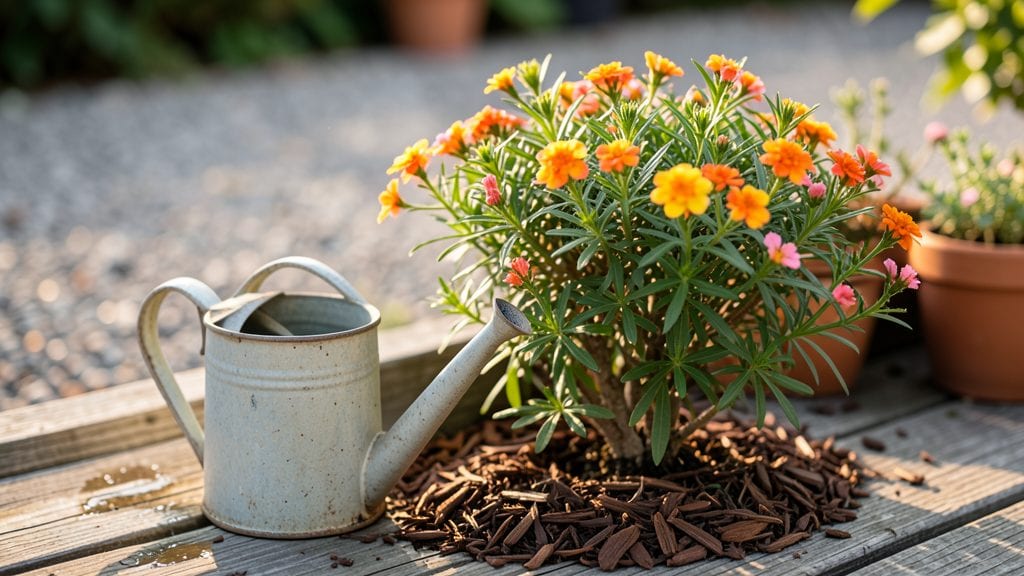
Watering lantana plants correctly means giving them just enough moisture to keep those 🌸 bright blooms popping all season without drowning their roots.
Lantana plants are the unsung heroes of drought-tolerant gardens, but even these hardy beauties need the right watering approach to thrive and burst into vibrant blooms year after year—without becoming waterlogged or stressed.
Too much water and you’ll smother their roots; too little and the leaves start curling. The trick is deep, infrequent soaks that mimic natural rainfall, especially in General USDA Zone 6a where summers can be brutal.
Below, I’ll break down exactly how often to water—whether your lantana is in a pot or planted in the ground—and what to watch for when things go wrong.


How often to water lantana plants for optimal growth and blooming
Lantana plants thrive on consistent but infrequent watering, making them perfect for drought-tolerant gardens. However, their watering needs vary based on age, climate, and soil type. Overwatering is the biggest risk—it causes root rot and stunted blooms, while underwatering leads to wilting and sparse flowers.
The key is finding that sweet spot where your lantana stays hydrated without soggy soil.
Newly planted lantana require more frequent watering to establish roots, while mature plants can go weeks without water. In hot, dry climates, even mature lantana may need weekly checks, while cooler regions can stretch watering to every 10-14 days.
Always prioritize deep watering over shallow sprinkles to encourage strong root development and vibrant blooms.
Soil type plays a crucial role—lantana despises heavy clay that holds excess moisture. If your garden has sandy or loamy soil, water slightly more often, as these drain faster. Mulching with organic matter like wood chips helps retain moisture while keeping roots cool. For container-grown lantana, check soil moisture daily in extreme heat, as pots dry out 3x faster than in-ground plants.
In summer months, lantana enters its peak blooming season and needs more frequent watering—especially in USDA Zones 8-11.
Aim for deep watering every 5-7 days, letting the top 3-4 inches of soil dry out between sessions. Morning watering is ideal because it reduces evaporation and fungal risks.
If your lantana is in a container, expect to water twice as often as in-ground plants, as pots dry out rapidly.
Spring and fall are transitional periods where watering frequency shifts based on temperature. In spring, water every 5-7 days until new growth appears, then taper off slightly.
Fall watering should gradually decrease as temperatures drop—by October, most lantana only need water every 10-14 days unless in containers. Never water at night, as damp foliage invites pests and diseases.
One common mistake is assuming "drought-tolerant" means "no water". While lantana can survive weeks without rain, this leads to smaller blooms and leggy growth.
For maximum flowering, maintain consistent moisture during the growing season. Use a moisture meter for accuracy—insert it 2-3 inches deep to check soil conditions before watering.
If your lantana is in full sun, expect 20-30% more water loss due to evaporation. Group lantana with succulents or lavender to create a microclimate that retains moisture longer.
Avoid overhead sprinklers, which can damage flowers and promote mildew. Instead, use a soaker hose or water at the base for targeted hydration.
Watch for wilting leaves—this is your lantana’s way of saying it’s thirsty. However, if leaves turn yellow or mushy, you’re overwatering.
Adjust your schedule by skipping one watering session and checking soil moisture again in 3 days. Mulch heavily (3-4 inches) to lock in moisture and protect roots from temperature swings.
For container lantana, choose pots with drainage holes and use a well-draining potting mix (like cactus/succulent blend). Water until water runs freely from the bottom, then empty the saucer to prevent root rot.
In high heat, containers may need water daily—test by lifting the pot; if it feels light, it’s
Signs of overwatering vs. underwatering lantana: what to watch for
Lantana plants are famously drought-tolerant, but even they can suffer when watering goes wrong. Overwatering and underwatering both cause visible stress—yet the symptoms look completely different. Learning to spot these signs early can save your lantana from decline and keep those vibrant blooms coming all season.
Start by checking the soil moisture with your finger. Stick it 1-2 inches deep—if it feels damp, hold off on watering. If it’s bone-dry, it’s time to hydrate. But the real clues lie in your lantana’s leaves, stems, and overall vigor. Here’s how to tell them apart.
Overwatering vs. Underwatering Lantana
| Issue | Signs | What to Do |
|---|---|---|
| Overwatering |
|
|
| Underwatering |
|
|
| Perfect Hydration |
|
|
One of the first signs of overwatering is yellowing leaves, especially on the lower stems. These leaves may also feel soft or mushy to the touch—a classic sign of root rot.
If you notice a foul smell around the base of your lantana, it’s a red flag for fungal infection caused by excess moisture.
On the flip side, underwatered lantana will show wilting leaves that stay droopy even after watering. The leaf edges may turn brown and crispy, and the plant might stop producing new flowers. In extreme cases, the stems can become brittle, making them prone to snapping.
For container-grown lantana, check the weight of the pot—if it feels light, it’s time to water.
In-ground plants, however, require a deeper check: use a soil moisture meter or your finger to test moisture levels at the root zone. Lantana roots thrive in slightly dry conditions, so aim for 60% soil moisture before watering again.
If you’re unsure whether your lantana is thirsty or drowning, gently tug on a few leaves. Healthy leaves should feel firm and slightly resistant. If they pull away easily or feel limp, it’s a clear sign of hydration stress. Adjust your watering routine accordingly to restore balance.
Remember, lantana’s drought tolerance makes it resilient, but even tough plants need the right care. By watching for these visual cues and adjusting your watering habits, you’ll keep your lantana thriving with vibrant blooms all season long. 🌸