
Planting
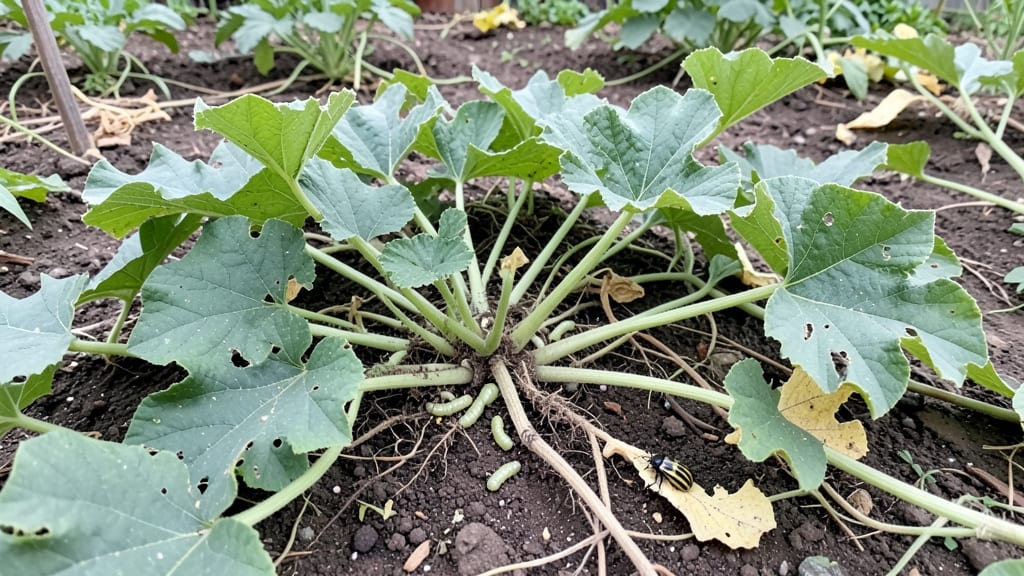
Watermelon plant pests can turn your lush vines into a skeleton crew in days—unless you spot them early. ✨ I’ve watched entire crops collapse from cucumber beetles and aphids, but I’ve also saved plants by acting fast with the right tools.
The key is knowing what to look for before the damage becomes irreversible.
Most pests target young plants or stressed vines, so healthy growth is your first defense. Aphids cluster on new leaves, cucumber beetles chew jagged holes, and spider mites leave silvery webbing on undersides.
The good news? You don’t need harsh chemicals to stop them—simple sprays, row covers, and companion planting work just as well.
By the end of this guide, you’ll recognize the 12 worst watermelon pests on sight and know exactly how to kick them out. Your plants will stay thriving, your fruit will ripen without scars, and you’ll avoid the heartbreak of a ruined harvest. Let’s get those vines protected!
Whether you’re dealing with a small backyard patch or a full field, these strategies adapt easily. The goal isn’t just to fight pests—it’s to grow watermelons that taste sweeter because they’ve faced fewer threats. Here’s how to make it happen.
Root Causes Behind Pest Attacks
Watermelon plants are like magnets for pests—why? The answer lies in their biology, environment, and the delicate balance of your garden ecosystem. Understanding these triggers helps you prevent rather than just react.
Below, we break down the science behind why pests target your watermelons—and how to disrupt their plans.
Watermelon vines thrive when given space, but poor spacing creates the perfect pest buffet. Here’s why:
- Humidity hotspots: Dense foliage traps moisture, creating damp microclimates that attract soft-bodied pests like aphids and mites. These bugs love humid conditions because they dehydrate quickly in dry air.
- Reduced airflow: Stagnant air prevents water from evaporating quickly, leaving leaves sticky with honeydew—a magnet for ants, wasps, and fungal infections.
- Stress signals: Overcrowded plants emit stress compounds (like volatile organic chemicals) that lure herbivorous pests. Think of it as a distress flare for bugs.
Actionable fix: Space watermelons 3–6 feet apart (depending on variety) and prune excess vines to improve airflow. 💡 Pro tip: Use drip irrigation to keep leaves dry and reduce humidity traps.
Pests target stressed plants—and nutrient deficiencies are a top stressor. Here’s how it works:
| Deficiency | Pest Attraction | Why It Happens |
|---|---|---|
| Nitrogen (N) | Aphids, whiteflies, and spider mites | Low nitrogen = softer, more tender leaves. Pests prefer easy meals over tough, healthy foliage. |
| Potassium (K) | Cucumber beetles, squash bugs | Potassium boosts plant resilience to pests. Without it, plants can’t produce enough defensive compounds like phenolics. |
| Phosphorus (P) | Root-knot nematodes | Phosphorus strengthens root systems. Deficient roots can’t repel soil-dwelling pests as effectively. |
Actionable fix: Conduct a soil test and amend with balanced fertilizer (e.g., 10-10-10). For organic growers, use compost tea or fish emulsion to foliar-feed nutrients directly to leaves. ✨ Bonus: Silica-rich amendments (like rice hulls) harden plant cell walls, making them less appealing to chewers.
Pests are opportunists, and certain weather patterns invite them to the party. Here’s the breakdown:
- Hot, dry spells: Spider mites and thrips thrive when humidity drops below 40%. Dry conditions weaken plant defenses by reducing tannin production (natural pest repellents).
- Cool, wet springs: Fungal gnats and cucumber beetles breed explosively in saturated soil. Excess moisture also softens plant tissue, making it easier for pests to bore or chew.
- Sudden temperature swings: Pests like striped cucumber beetles time their attacks to coincide with warm snaps, which stimulate plant growth—and thus, more food for them.
Actionable fix:
- Use mulch (straw or black plastic) to regulate soil temperature and reduce evaporation.
- Install shade cloth (30–50%) in peak summer to lower leaf temps and deter mites.
- Monitor weather forecasts and apply neem oil or kaolin clay before pests arrive (e.g., after a heatwave).
Healthy gardens have predator-prey dynamics—but when the balance tips, pests explode. Common disruptions:
- Loss of beneficial insects: Lacewings, ladybugs, and parasitic wasps keep pests in check. If you’ve used broad-spectrum pesticides (like malathion), you’ve wiped out their natural enemies.
- Monoculture planting: Growing only watermelons (or other cucurbits) creates a pest buffet. Cucumber beetles, for example, specialize in squash-family plants—they won’t bother tomatoes or peppers.
- Weedy gardens: "Weeds" like purslane and malva host pest eggs and larvae. Many pests prefer these plants over your watermelons—until the weeds are gone.
Actionable fix:
- Plant companion crops: Interplant watermelons with nasturtiums (trap crop for aphids) or marigolds (repel nematodes).
- Avoid synthetic pesticides: Opt for pyrethrin-based sprays (derived from chrysanthemums) or soapy water sprays to target pests only.
- Encourage biodiversity: Add bee baths, native wildflowers, and rock piles to attract predatory insects.
Quick Fixes for Common Watermelon Plant Pests
When pests invade your watermelon patch, acting fast is key to saving your crop. Below are practical, step-by-step solutions tailored to the most common troublemakers—plus prevention tips to keep them from returning. Think of this as your pest-fighting toolkit, ready for action! 🛠️🌱
Cause: Tiny, sap-sucking insects cluster on new growth, causing curled leaves and sticky residue (honeydew). Fix:
- 💦 Blast them off with a strong spray of water (aphids hate this!). Repeat every 2–3 days until gone.
- 🌿 Introduce predator allies: Ladybugs, lacewings, and parasitic wasps devour aphids naturally. Buy or attract them!
- 🧴 Soapy solution: Mix 1 tbsp mild dish soap + 1 quart water. Spray directly on pests (test on a small leaf first).
💡 Prevention: Plant marigolds or basil nearby—their scents repel aphids. Also, remove infected leaves immediately to stop spread.
Cause: Striped or spotted beetles munch on leaves, stems, and flowers, spreading bacterial wilt. Fix:
- 🕵️ Handpick them early in the morning when they’re sluggish. Drop them into soapy water.
- 🧢 Yellow sticky traps: Hang these near plants to catch beetles before they lay eggs.
- 🌿 Row covers: Use lightweight fabric to shield seedlings until plants are established (beetles can’t chew through it!).
💡 Prevention: Rotate crops yearly—beetles thrive in the same soil. Also, interplant with radishes or onions to confuse them.
Cause: Almost invisible mites spin webs and suck juices, causing yellowing leaves and stunted growth. Fix:
- 💦 Shower your plants: Spider mites hate humidity. Mist leaves daily during dry spells.
- 🧴 Neem oil spray: Mix 1 tbsp neem oil + 1 tsp mild soap + 1 quart water. Spray undersides of leaves where mites hide.
- 🕸️ Predatory mites: Release Phytoseiulus persimilis (sold at garden centers) to hunt them down.
💡 Prevention: Avoid over-fertilizing with nitrogen—it attracts mites. Keep plants well-watered to deter them.
Cause: Tiny, fast-moving insects leave silver streaks on leaves and damage flowers, reducing fruit set. Fix:
- 🌿 Blue sticky traps: Thrips are drawn to blue. Place traps near plants to monitor and reduce populations.
- 🧴 Insecticidal soap: Spray a 2% solution directly on affected areas (repeat every 5–7 days).
- 🌱 Companion planting: Grow onions or garlic nearby—their scent repels thrips.
💡 Prevention: Remove weeds (they harbor thrips). Also, use reflective mulch (like aluminum foil) to disorient them.
Cause: Shield-shaped bugs pierce stems and leaves, causing wilting and black excrement. Fix:
- 🔪 Crush egg masses: Check undersides of leaves for tiny, tan eggs. Scrape them off with a fingernail.
- 💦 Diatomaceous earth: Sprinkle food-grade DE around the base of plants (reapply after rain). It dehydrates bugs.
- 🌿 Kaolin clay: Spray on leaves to create a barrier they can’t cross (also deters other pests).
💡 Prevention: Rotate crops and plant trap crops like zucchini to lure squash bugs away from watermelons.
Cause: Tiny white moth-like insects cluster on undersides of leaves, causing yellowing and sticky honeydew. Fix:
- 🕯️ Yellow sticky cards: Hang these above plants to trap adults.
- 🧴 Horticultural oil: Spray a 1–2% solution (like Summer Oil) to smother them (apply at dusk to avoid harming bees).
- 🌿 Parasitic wasps: Release Encarsia formosa—they lay eggs inside whitefly pupae.
💡 Prevention: Inspect new plants before bringing them home. Avoid overwatering—whiteflies love damp soil.
Stop pests before they start with these easy habits:
- 🌱 Healthy soil = strong plants: Amend soil with compost before planting to boost watermelon resilience.
- ⏰ Plant at the right time: Watermelons thrive in warm soil (70°F+). Avoid early planting when pests are dormant but hungry.
- 🌿 Diverse plantings: Mix in nasturtiums, marigolds, or dill—they confuse pests and attract beneficial insects.
- 🧹 Clean up debris: Remove old vines and fallen leaves after harvest to eliminate pest hiding spots.
- 👀 Monitor regularly: Check undersides of leaves and new growth 2–3 times a week for early signs.
Frequently asked questions
What are the first signs of cucumber beetles on watermelon plants?
Look for jagged, irregular holes along leaf edges and stems—these beetles chew through plant tissue. You’ll also spot tiny, black or striped beetles (about 1/4 inch long) hiding under leaves. Early detection is critical because they spread bacterial wilt, which can kill plants in days.
Can I use neem oil on watermelon plants when fruit is forming?
Yes, but apply it carefully! Neem oil is safe for watermelons at all growth stages, including when fruit is forming. Use a 1% solution (1 tbsp per gallon of water) and spray in the evening to avoid harming bees. Always test on a small leaf area first to check for sensitivity.
Why do spider mites suddenly appear in dry weather?
Spider mites thrive when humidity drops below 40%—they dehydrate quickly in dry air. Their populations explode because their natural predators (like ladybugs) struggle to survive. Keep plants well-watered and mist leaves daily during heatwaves to deter them.
How do I know if my watermelon plants have root-knot nematodes?
Check for gall-like bumps on roots (they look like tiny knots). Above ground, you’ll see stunted growth, yellowing leaves, and poor fruit development. Nematodes are soil-borne, so rotate crops yearly and use marigolds as companion plants to suppress them.
Will row covers stop all watermelon pests?
Row covers are highly effective against flying pests like aphids and cucumber beetles, but they won’t stop soil-dwelling nematodes or crawling beetles. Use them for seedlings until plants are established, then remove to allow pollination. Pair with sticky traps for best results.