
Planting
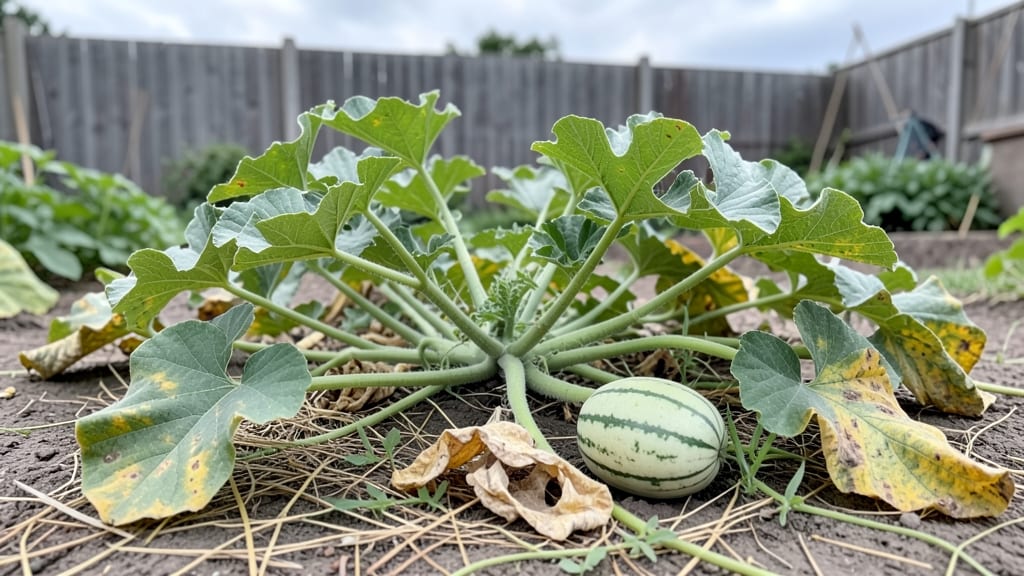
Even the hardiest watermelon plants face problems—like pests, wilting vines, and fruit that cracks before ripening—until you spot these fast fixes that actually work. 🌱 The good news? Most problems have simple solutions once you know what to look for.
Cucumber beetles chew leaves into lace, aphids cluster like cotton candy on new growth, and powdery mildew turns vines into ghostly white webs. But these issues all share one thing: they’re fixable without harsh chemicals.
I’ll show you how to spot the early warning signs—yellowing leaves, stunted vines, or fruit that never plumps up—and what to do before the damage spreads.
By the end, you’ll diagnose problems in minutes instead of days. No more guessing whether to spray, prune, or adjust water—just clear steps that get your melons back on track. The key is acting fast, and I’ve got the exact moves that work in my garden (and yours).
Works for home gardens, containers, or raised beds—no matter how your plants are growing. Let’s turn those wilting vines into thriving melon patches before the season’s over.
Root Causes Of Plant Struggles
Watermelon plants are resilient, but when they falter, it’s often due to a mix of environmental stress, biological pressures, or poor growing conditions. Understanding the why behind common issues helps you take precise action before problems escalate.
Below, we break down the key factors that trigger watermelon plant problems—from soil to sky—and how they interact to sabotage your crop.
Watermelons thrive in well-draining, nutrient-rich soil with a pH between 6.0 and 6.8. When soil falls short, plants suffer in predictable ways:
- Compacted or Clay-Heavy Soil - Why it happens: Heavy, poorly aerated soil suffocates roots, blocking oxygen and water uptake. This leads to wilting, stunted growth, and root rot (especially in wet climates). - Science behind it: Roots need 20–30% air space in soil.
Compacted soil forces roots to grow horizontally, weakening the plant’s stability and nutrient absorption. - Actionable fix: Amend soil with compost, perlite, or coarse sand before planting. Avoid working wet soil—wait until it’s dry to loosen it.
- Nutrient Deficiencies - Why it happens: Watermelons are heavy feeders, requiring nitrogen (N), phosphorus (P), and potassium (K) in balanced ratios.
Deficiencies show up as: - Yellowing leaves (N deficiency): Older leaves turn pale first, signaling nitrogen starvation. - Purple stems/leaves (P deficiency): A lack of phosphorus stunts root and vine growth. - Weak, brittle vines (K deficiency): Potassium helps regulate water and disease resistance. - Pro tip: Test soil annually!
A simple DIY test kit (or lab analysis) reveals imbalances. Fertilize with a balanced 10-10-10 or 5-10-10 formula at planting, then switch to a low-nitrogen, high-potassium feed (like 0-10-20) when flowers appear.
- pH Imbalances - Why it happens: Soil pH affects nutrient availability. Too acidic (pH < 6.0) locks out phosphorus and micronutrients, while too alkaline (pH > 7.0) reduces iron and manganese uptake. - Visual clues: Yellowing between leaf veins (iron deficiency) or brown spots (manganese deficiency) often point to pH issues. - Fix it: Adjust pH with elemental sulfur (to lower pH) or lime (to raise it).
Aim for 6.0–6.8—watermelons hate extremes!
Watermelons are warm-season crops (ideal temps: 75–90°F). When conditions stray too far from this range, growth grinds to a halt—or worse, the plant shuts down.
- Cold Stress (Below 50°F) - Why it happens: Chilly nights or early springs slow metabolism, delaying germination and stunting vines. Below 40°F, cells can freeze, causing blackened, mushy growth tips. - Science: Cold disrupts enzyme activity in cells, halting photosynthesis and nutrient transport.
Flowers may drop, and young fruit can develop hollow centers. - Prevent it: Use row covers for early planting or wait until soil temps hit 60°F+. Choose heat-tolerant varieties (e.g., ‘Sugar Baby’ or ‘Crimson Sweet’) if your zone has late springs.
- Heat Stress (Above 95°F)
- Why it happens: While watermelons love heat, prolonged extreme heat causes:
- Blossom drop: Pollen production halts, leading to no fruit set (a common issue in desert climates).
- Sun scald: Fruit develops white, dry patches where skin cracks or turns leathery.
- Solution: Provide afternoon shade cloth (30–50% coverage) during peak heat. Mulch heavily to keep roots cool and water deeply at soil level (not overhead) to reduce evaporative stress.
- Why it happens: While watermelons love heat, prolonged extreme heat causes:
- Fungal Pressure from Humidity - Why it happens: High humidity (above 75%) + warm temps = perfect fungal buffet.
Pathogens like downy mildew or powdery mildew thrive, clogging stomata and blocking gas exchange. - Red flags: White powder on leaves (powdery mildew) or yellow, greasy spots (downy mildew). - Combat it: Space plants for airflow (3–4 feet apart), avoid overhead watering, and apply copper fungicide preventatively if your area is prone to fungal outbreaks.
Watermelon plants attract a who’s who of garden pests, each with a specific weakness to exploit.
- Aphids & Spider Mites - Why it happens: These sap-suckers inject toxins while feeding, causing: - Curled, yellowed leaves (aphids). - Fine webbing + stippled leaves (spider mites). - Science: They thrive in dry, hot conditions and reproduce rapidly (up to 200 eggs per female for spider mites!).
Their saliva disrupts chlorophyll production, leading to pale, crinkled foliage. - Knock them out: Spray with neem oil or introduce ladybugs/predatory mites. Avoid broad-spectrum pesticides—they kill beneficial insects too.
- Cucumber Beetles & Squash Bugs - Why it happens: These beetles transmit bacterial wilt (a fatal disease) and chew leaves into lace-like patterns. Their frass (poop) clogs leaf surfaces, reducing photosynthesis. - Prevention: Use row covers early in the season.
Handpick beetles (drop them in soapy water) or apply kaolin clay as a barrier.
- Powdery Mildew & Bacterial Wilt - Why it happens: Powdery mildew (fungal) spreads via spores in humid air, while bacterial wilt (from beetles) clogs xylem vessels, cutting off water flow. - Symptoms: White fungal growth (mildew) or sudden wilting despite moist soil (bacterial wilt). - Stop the spread: Remove infected plants immediately.
For mildew, use baking soda spray (1 tbsp baking soda + 1 gallon water + a drop of dish soap). For bacterial wilt, rotate crops (don’t plant cucurbits in the same spot for 3 years).
Watermelons are 90% water—but too much or too little throws them into chaos.
- Underwatering - Why it happens: Shallow roots (common in sandy soil) dry out fast, leading to: - Wilting during the day (but recovery at night). - Small, hard fruit (due to stress-induced flowering). - Fix: Water deeply 1–2 times per week (1–2 inches per week).
Use drip irrigation to keep moisture consistent.
- Overwatering - Why it happens: Soggy soil drowns roots, starving them of oxygen.
Signs: - Yellowing leaves (especially lower ones). - Mushy, black roots (root rot). - Fruit cracks (from uneven water uptake). - Solution: Ensure proper drainage (raise beds if needed) and water only when the top 2 inches of soil are dry. Mulch to retain moisture without suffocating roots.
Even the hardiest watermelon can fail if planted incorrectly.
- Overcrowding - Why it happens: Watermelons need space to sprawl (vines can reach 10–20 feet).
Crowded plants: - Compete for nutrients, leading to weak vines. - Spread diseases faster (poor airflow). - Produce small, seedy fruit. - Rule of thumb: Space 3–4 feet apart in rows 5–6 feet apart.
- Transplant Shock
- Why it happens: Moving seedlings (even young ones) damages roots, slowing growth. Watermelons
Quick Fixes for Watermelon Woes
Got a struggling watermelon plant? Don’t panic—most issues have simple, effective solutions! Below, we’ll map the most common problems to practical fixes, plus prevention tips to keep your vines thriving. 🌱💦 Let’s turn those frowns upside down!
Fix it fast:
- Check the soil moisture 💧
- Stick your finger 1–2 inches deep. If it’s soggy, reduce watering—watermelons hate wet feet!
- If dry, water deeply once a week (adjust for climate; drought-stressed plants yellow too).
- Fertilize smart 🌱 - Nitrogen deficiency? Use a balanced 10-10-10 fertilizer or compost tea.
Spread 1–2 tbsp around the base (not touching stems). - Magnesium deficiency (yellow edges)? Sprinkle Epsom salt (1 tbsp per gallon of water) every 2 weeks. - Potassium deficiency (weak growth)? Switch to a low-nitrogen, high-potassium fertilizer (like 5-10-15).
- Prune damaged leaves ✂️
- Snip off yellow or wilted leaves with clean scissors to redirect energy to healthy growth.
Prevent it:
- Mulch with straw or grass clippings to retain moisture and block weeds.
- Test soil pH (ideal: 6.0–6.8). Amend with lime (raise pH) or sulfur (lower pH) if needed.
Kick them out:
- Blast with water 💦
- Spray forceful water (hose nozzle) on undersides of leaves to dislodge aphids/mites.
- Neem oil spray 🌿 (organic & effective)
- Mix 1 tbsp neem oil + 1 tsp mild soap + 1 quart water. Spray every 5–7 days until pests vanish.
- Row covers 🛡️ (for beetles)
- Use floating row covers early in the season to block beetles (remove at flowering for pollination).
Prevent it:
- Encourage predators: Plant marigolds or nasturtiums nearby to attract ladybugs and lacewings.
- Inspect plants weekly—catch pests early!
Save your melons:
- Calcium boost 🥛
- Sprinkle crushed eggshells or calcium nitrate (1 tbsp/gallon water) around the base. Water in well.
- Pro tip: 💡 Mix 1 cup milk into water and spray leaves weekly (milk = natural calcium source!).
- Adjust watering 🚰
- Water deeply but infrequently—avoid shallow, frequent watering. Aim for 1–1.5 inches per week.
- Drip irrigation (not overhead) prevents soil fluctuations.
Prevent it:
- Mulch heavily to keep soil moisture steady.
- Avoid heavy fertilizers early in the season—focus on compost first.
Revive your plant:
- Check roots 🌱
- Gently lift a vine. Healthy roots are firm and white; rotted roots are mushy/brown.
- If roots are fine, water deeply and shade the plant for 24 hours to reduce stress.
- Fungal issues? 🍄
- Prune infected leaves (sterilize scissors with rubbing alcohol).
- Spray copper fungicide (follow label) or baking soda mix (1 tbsp baking soda + 1 quart water + few drops soap).
Prevent it:
- Space plants 3–4 feet apart for airflow.
- Water in the morning to let foliage dry by night.
Hand-pollinate like a pro:
- Gentle shake 🌬️
- Lightly shake vines in the morning when bees are active.
- DIY pollination 🐝
- Use a soft paintbrush to transfer pollen from male (long stems) to female (tiny fruit at base) flowers.
Prevent it:
- Plant near bee-friendly flowers (sunflowers, marigolds).
- Avoid pesticides—they kill pollinators!
✅ Soil: Test and amend before planting (add compost + aged manure). ✅ Water: Deep, consistent watering (1–1.5”/week). ✅ Sun: Full sun (6–8+ hours/day)—no shade! ✅ Airflow: Prune crowded vines to reduce disease risk. ✅ Monitor: Check leaves, stems, and soil weekly for early signs of trouble.
Remember: Watermelons are tough—most issues are fixable with quick action! 🚀 Start with the simplest solutions (water, pruning, or neem oil) before moving to fertilizers or fungicides. Your next juicy, striped watermelon is waiting! 🍉✨
Frequently asked questions
Why are my watermelon leaves turning yellow?
Yellowing leaves usually signal nutrient deficiencies (like nitrogen or magnesium) or overwatering. Check the soil—if it's soggy, reduce watering. For nitrogen deficiency, add compost or a 10-10-10 fertilizer. Yellow edges with green veins often mean magnesium deficiency—try Epsom salt spray (1 tbsp per gallon of water).
What should I do if my watermelon vines are wilting?
Wilting can mean underwatering, overwatering, or root rot. First, check soil moisture—water deeply if dry, but reduce if soggy. If roots are mushy and brown (root rot), prune affected areas and improve drainage. For heat stress, provide afternoon shade and mulch heavily to retain moisture.
How do I prevent powdery mildew on watermelon plants?
Powdery mildew thrives in humid, crowded conditions. Space plants 3–4 feet apart for airflow, avoid overhead watering, and water in the morning. Apply a baking soda spray (1 tbsp baking soda + 1 quart water + a drop of soap) weekly as prevention. Copper fungicide also works if mildew appears.
Why aren’t my watermelon flowers producing fruit?
Poor fruit set often happens due to lack of pollination, extreme heat, or nutrient imbalances. Hand-pollinate with a soft brush or gently shake vines in the morning. If temps exceed 95°F, provide afternoon shade. Ensure balanced fertilization—too much nitrogen delays fruiting.
Can I save a watermelon plant with bacterial wilt?
Bacterial wilt is fatal—once symptoms (sudden wilting despite moist soil) appear, remove the plant immediately to prevent spread. Avoid planting cucurbits (like squash or cucumbers) in the same spot for 3 years. Use row covers early in the season to block cucumber beetles, which spread the disease.