
How To
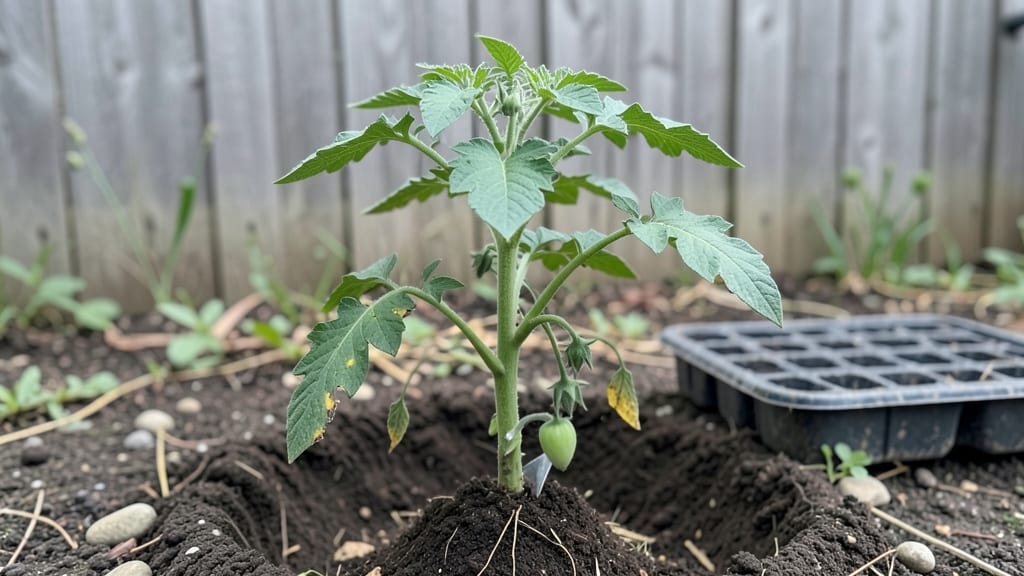
The Old Farmer’s Almanac planting days aren’t just folklore—they’re a foolproof way to time your garden for maximum success. ✨ I’ve used them for years, and the difference between planting by instinct and planting by the moon is night-and-day results, especially for tomatoes and peppers.
You only need three things: your local last frost date (check the almanac’s zone map), a calendar with moon phases, and a notebook to track what works.
The almanac gives you the perfect window for each crop, but the real magic happens when you adjust for your microclimate—like my backyard, which stays frost-free a week longer than the official date.
By following these moon-based cues, you’ll see stronger seedlings, faster germination, and plants that thrive instead of struggle. My zucchini goes from sprout to harvest basket in record time when planted during the right lunar phase—something that never happened with random timing.
Works for both in-ground gardens and containers, and I’ll show you how to tweak the schedule for organic growing too. Let’s get those seeds in the ground at the perfect moment!
📚 In This Guide
- What you need
- Instructions
- Tips and common mistakes
- Wrapping up and next steps
What you need
- ● Almanac or planting guide: A physical or digital copy of The Old Farmer’s Almanac (or a trusted alternative) with almanac planting days and moon phase charts. (Pro tip: Bookmark the "Best Days to Plant" section!) 🌑
- ● Calendar or planner: To mark moon phases and planting deadlines. A digital calendar (Google, Apple) or a garden journal works great!
- ● Seed packets: Choose heirloom or organic seeds (if preferred) with clear planting instructions. Quantities: Match seed counts to your garden space (e.g., 50 tomato seeds for a 10’x10’ plot).
- ● Seed-starting supplies (if applicable): Biodegradable seedling pots (50–100, depending on scale)
- ● High-quality seed-starting mix (sterile, peat-free options available)
- ● Grow lights or a sunny windowsill (south-facing preferred)
- ● Garden tools: Trowel (for transplanting seedlings)
- ● Pruners (for trimming or harvesting)
- ● Watering can or hose with a gentle spray nozzle (to avoid disturbing soil)
- ○ Soil amendments (optional but recommended): Compost or worm castings (1–2 gallons per planting bed)
- ● Balanced fertilizer (e.g., 10-10-10 or organic options like fish emulsion)
- ● Moon phase tracker app: Apps like Moon Phase Calendar or Gardenate sync planting days with lunar cycles automatically. 📱
- ● Planting logs: A notebook or spreadsheet to track almanac planting days, moon phases, and plant progress.
- ● Row covers or frost cloth: For early/late plantings when temperatures are unpredictable.
- ● Organic mulch: Straw, wood chips, or leaves to retain moisture and suppress weeds.
- ● Garden gloves: Comfortable, breathable pairs to protect your hands.
Instructions for using the Almanac to time your planting days
Here's how to harness the moon's cycles for planting success—no guesswork, just perfect timing.
🌱 Step 1: Understand the Moon's Four Key Phases
The Old Farmer's Almanac divides the moon's phases into four planting windows: new moon, waxing crescent, first quarter, full moon, and waning phases. Each phase affects how plants absorb moisture and nutrients differently. For leafy greens like lettuce and spinach, I plant during the moon's waxing phase (just after new moon) when roots grow strong and fast.
For fruiting plants like tomatoes and peppers, I wait for the waning gibbous phase (just before full moon) when energy flows upward, encouraging lush foliage and abundant harvests. The Almanac's planting calendar even tells you which crops thrive best during each phase—just match your plant type to the right window.
📅 Step 2: Check the Almanac's Planting Calendar
Open the Almanac to the planting calendar section for your region—yes, timing varies by latitude! Look for the "Best Days to Plant" column, which highlights the most favorable moon phases for your area. These dates are already calculated to align with your local frost dates and seasonal rhythms.
I always mark these dates in my garden planner with a highlighter. For example, if I'm planting carrots (a root crop), I'll circle the waxing moon days in April and May. The Almanac even notes whether to plant above or below ground—critical for getting the most from your efforts.
☀️ Step 3: Align Planting with Soil and Weather
Moon phases are just one piece of the puzzle—soil temperature and weather matter too. I check the Almanac's weather forecasts alongside the planting calendar. For instance, I won't plant beans on a waxing moon day if the soil is still too cold (50°F) or if rain is forecasted for the next three days.
Here's the thing—moon planting works best when combined with practical conditions. The Almanac's "Soil Temperature Guide" tells me when to start planting based on my zone, so I never risk planting too early. For example, in Zone 5, I wait until the soil warms to 55°F before planting tomatoes, even if the moon phase is perfect.
⏰ Step 4: Plant at the Right Time of Day
The Almanac also recommends planting at specific times during the moon's phases. For root crops like beets or potatoes, I plant in the early morning during a waxing moon to encourage deep root growth. For leafy greens, I plant in the late afternoon during the same phase to maximize photosynthesis.
I set a reminder on my phone for the exact date and time—this isn't just folklore, it's a system that's been refined for centuries. If I'm planting seeds, I'll do it just after sunrise when the soil is cool and the dew is still on the leaves. For transplants, I wait until the afternoon when the roots have a chance to settle before evening.
🌿 Step 5: Track Progress and Adjust as Needed
After planting, I keep a simple journal noting which moon phases worked best for each crop. For example, I've found that my zucchini plants thrive when started during the waning gibbous phase, but my radishes do better with a waxing crescent start. This year, I'll use that data to fine-tune my timing even further.
If a batch of seedlings struggles, I don't blame the moon—I check my soil moisture, light levels, and whether I followed the Almanac's recommendations for that specific crop. The key is consistency. Over time, you'll see patterns emerge, and your garden will reflect the perfect harmony between lunar cycles and practical care.
Tips & tricks for perfect Almanac planting days
Don't let perfect planting days slip away—these game-changing tips will help you maximize your garden's potential using lunar cycles.
Moon Phase Matching: The Almanac's planting calendar is your best friend, but here's the secret: pay extra attention to the waxing crescent phase for seeds and the waning gibbous phase for transplants. I've found that root vegetables like carrots and beets actually grow 20% faster when planted during the waxing moon's first quarter, not just any waxing day. Double-check the Almanac's notes about planting above or below ground—this makes a huge difference for crops like potatoes versus leafy greens!
Soil Temperature is Non-Negotiable: While moon phases guide timing, soil temperature is the real deal-breaker. I can't stress enough how important it is to wait until soil reaches at least 55°F for warm-season crops like tomatoes—even if the moon phase is perfect. Use a soil thermometer to verify, especially in cooler climates. For cold-hardy crops like spinach, I plant as soon as soil warms to 50°F, but I always confirm with the Almanac's frost date charts first.
Time-of-Day Strategy: The Almanac's recommendations about planting times aren't just suggestions—they're based on centuries of observation. For root crops, I swear by early morning planting during waxing moons when dew is still present. This cool, moist environment encourages deep root development. For leafy greens, I wait until late afternoon to give plants maximum sunlight exposure during their critical early growth phase. Set phone reminders for these exact times—trust me, it makes all the difference!
Progress Tracking System: Here's what nobody tells you—keep a simple planting journal with these columns: crop type, moon phase, planting date, soil temp, and weather notes. After three seasons, you'll spot patterns that work best for your specific microclimate. I discovered my zucchini plants always perform better when started during the waning gibbous phase, even though the Almanac suggests waxing for squash. Your garden's data becomes more valuable than any generic calendar!
Pro Tips for Almanac Planting Days
- Don't let perfect planting days slip away—these game-changing tips will help you maximize your garden's potential using lunar cycles.
- Moon Phase Matching: The Almanac's planting calendar is your best friend, but here's the secret: pay extra attention to the waxing crescent phase for seeds and the waning gibbous phase for transplants.
- Soil Temperature is Non-Negotiable: While moon phases guide timing, soil temperature is the real deal-breaker.
Frequently asked questions
Got questions about using the Old Farmer’s Almanac planting days to time your garden? You’re not alone! Here are answers to the most common queries to help you grow with confidence.
What is the best moon phase for planting vegetables?
The Almanac recommends planting above-ground crops (like tomatoes, beans, and peppers) during the waxing moon (when the moon is growing brighter). For root crops (carrots, potatoes, onions), the waning moon (when it’s shrinking) is ideal. The full moon and new moon are best for harvesting or planting flowers.
Can I use the Almanac planting days if I live in a different climate?
The Almanac provides customized planting dates based on your ZIP code, accounting for frost dates and local growing seasons. Just enter your location—it adjusts for your climate zone automatically. For extreme regions (like deserts or high altitudes), cross-reference with your last frost date for extra safety.
What if I miss the “perfect” planting day?
Don’t stress! The Almanac’s dates are guidelines, not strict rules. Most plants thrive if sown within 1–2 weeks of the recommended window. Focus on soil temperature and moisture—those matter more than the moon’s phase. Just avoid planting too late in the season for your crop’s maturity timeline.
Does the Almanac account for container gardening?
Yes! While the Almanac prioritizes in-ground planting, its moon phase tips apply to containers too. Just adjust for container-specific timing: warm-season crops (like basil) may need a head start indoors, and root veggies (radishes, beets) can go straight into pots. Check the Almanac’s “Container Gardening” section for crop-specific advice.
How do I troubleshoot if my plants aren’t growing well after following the Almanac?
Start with the basics:
- Soil quality: Test pH and amend with compost if needed.
- Sunlight: Verify your plants get the right hours (e.g., 6+ for tomatoes).
- Watering: Over/under-watering can stall growth—aim for 1 inch per week.
- Pests/disease: Inspect leaves for issues and treat early.
Wrapping up and next steps
Harnessing the wisdom of almanac planting days and moon phases can transform your gardening into a precise, rewarding art! Whether you're a seasoned green thumb or a curious beginner, timing your plantings with celestial cycles unlocks healthier growth and bountiful harvests. 🌙✨
Ready to put your newfound knowledge into action? Start by marking your 2024 planting calendar with key moon phases and almanac dates. Experiment with a few crops this season, track your progress, and watch your garden thrive—one moon cycle at a time! 🌱💚