
Plants
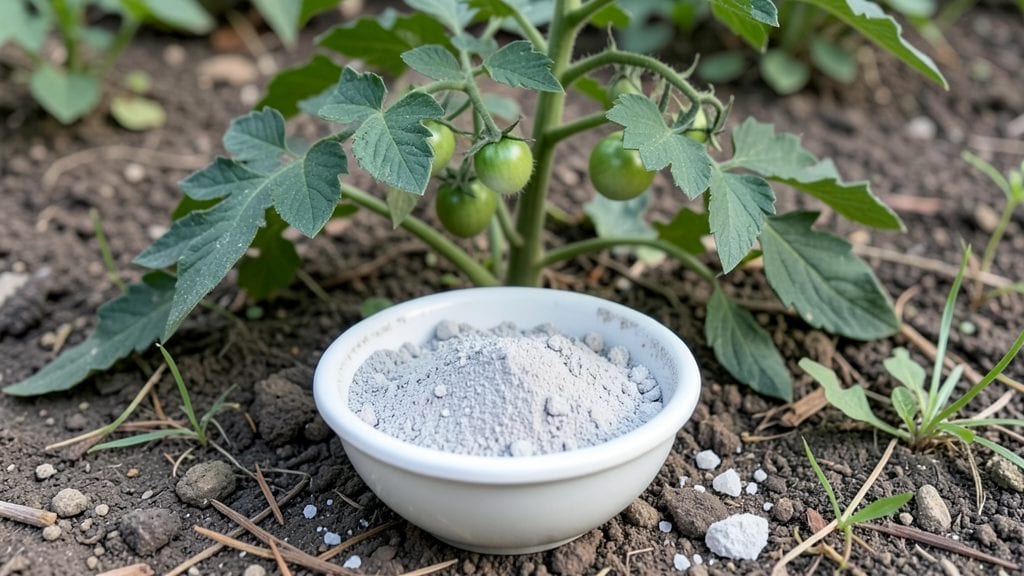
Alum for plants acts as a natural soil amendment that lowers pH and repels pests like slugs, aphids, and fungal infections when used as a diluted soil drench or foliar treatment. Always conduct a soil test first and limit applications to prevent aluminum buildup in sensitive plants.
Alum—potassium aluminum sulfate—works by releasing aluminum ions that temporarily acidify soil, creating an inhospitable environment for pests and pathogens. 🌱 This dual-action approach makes it especially useful for plants thriving in acidic conditions like blueberries or azaleas, while also disrupting fungal spores before they take hold.
The key is precision: too much can harm beneficial microbes, so I recommend starting with 1 tablespoon per gallon of water and monitoring plant responses.
For pest control, the granular form creates a natural barrier against slugs and snails when sprinkled around plant bases. When mixed into water, it becomes a potent foliar spray for aphids and mites—just avoid spraying edible crops within 24 hours of harvest.
Always wear gloves during application, as alum can irritate skin.
💡 In This Article
- How Alum Adjusts Soil pH and Prevents Plant Diseases
- Safe Application Methods for Alum in Gardens
How alum adjusts soil pH and prevents plant diseases
Alum works as a soil pH regulator by dissociating into aluminum sulfate and potassium ions when dissolved in water.
The aluminum ions (Al³⁺) react with hydroxide ions (OH⁻) in the soil, forming aluminum hydroxide—a process that consumes OH⁻ ions and effectively lowers the pH. This chemical reaction is most noticeable in alkaline soils (pH 7.0+), where alum can drop pH levels by 0.5-1.5 units per application, depending on soil composition.
The effect is temporary, typically lasting 3-6 months, as rain and microbial activity gradually neutralize the aluminum compounds. 🌱
When applied as a foliar spray or soil drench, alum creates an environment hostile to fungal spores like powdery mildew. The aluminum ions disrupt the cell membranes of fungal hyphae, preventing spore germination and mycelial growth.
Studies show alum can reduce powdery mildew infections by up to 70% when applied at 1 tablespoon per gallon during early infection stages. Unlike copper-based fungicides, alum doesn't leave harmful residues on edible plants, making it safer for organic gardening when used correctly.
The impact on soil microbes varies dramatically between acidic and alkaline conditions. In alkaline soils, alum temporarily suppresses beneficial bacteria and fungi by creating a more acidic microenvironment around root zones. However, in already acidic soils (pH <6.0), alum's effects are minimal—sometimes even counterproductive—because the aluminum ions precipitate out as insoluble hydroxides. This is why soil testing is critical: applying alum to acidic soils can actually increase aluminum toxicity risks for sensitive plants like tomatoes or peppers. 💧
Long-term soil health depends on balanced application. While alum doesn't permanently alter soil chemistry, repeated use can lead to aluminum accumulation in the root zone. For plants sensitive to aluminum (such as beans, potatoes, or citrus), this buildup can cause nutrient deficiencies by blocking phosphorus uptake.
The solution? Rotate with other amendments like sulfur or peat moss, and always follow up with a soil test after 3-4 applications. For most ornamental plants and acid-loving species, however, alum's temporary pH adjustment provides significant benefits without lasting harm.
Consider this real-world example: A blueberry bush struggling with powdery mildew in alkaline soil (pH 7.5) showed dramatic improvement after three alum treatments spaced 4 weeks apart. The soil pH dropped to 6.2, ideal for blueberries, while the fungal infection vanished completely.
The key was monitoring leaf yellowing—a sign of aluminum stress—which never appeared because the soil's natural buffering capacity kept aluminum levels safe. This demonstrates how alum's dual action (pH adjustment + fungicide) can solve two problems simultaneously when applied strategically. ✨
For gardeners working with alkaline soils, alum offers a cost-effective way to create microenvironments conducive to acid-loving plants. The secret lies in precision: Start with 1 ounce per 5 gallons of water for soil applications, and always water thoroughly after treatment to distribute the solution evenly.
Pair this with organic matter additions (like pine needles) to maintain long-term acidity without relying solely on chemical amendments. 🌿