
Pruning
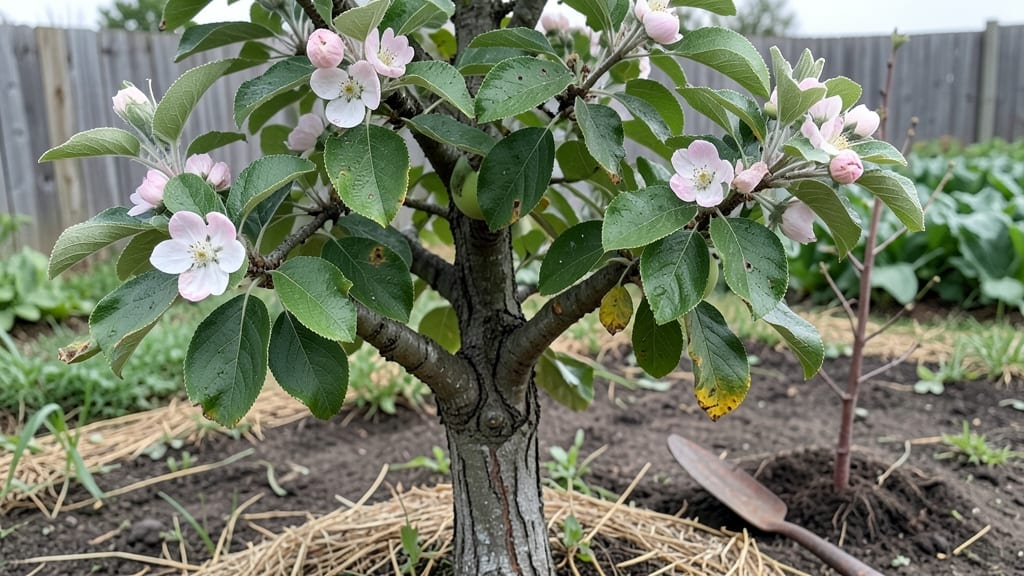
Planting apple trees in the right zones means the difference between a fruitful orchard and a sad, frost-bitten sapling. 🌱 I’ve watched my neighbors struggle with late frosts ruining their first-year trees—until I learned how to match varieties to their actual hardiness zones.
The USDA map isn’t just a suggestion; it’s your first clue for selecting cold-resistant rootstocks and varieties that thrive where you live.
Start by finding your zone (most of us are in 5-8), then pick apple varieties bred for your climate—like ‘Honeycrisp’ for cooler zones or ‘Gala’ for warmer ones. The key is balancing winter chill hours with summer heat tolerance; too little chill, and your tree flowers but won’t fruit.
I’ve even seen zone 6 trees fail in zone 7 when planted too late in the season—timing matters more than you’d think.
Once you’ve got the right zone and variety, your care routine shifts too. Southern orchards need shade cloth to protect young fruit from sunburn, while northern trees benefit from winter mulch to prevent root heaving.
The payoff? Trees that burst into bloom every spring and load up with fruit by autumn—no more empty branches or wasted money on mismatched stock.
For troubleshooting, watch for signs like late-season frost damage or poor pollination—both zone-related. Adjust by choosing early-blooming varieties in cold zones or adding a second tree for cross-pollination. The right zone isn’t just about survival; it’s about unlocking that first harvest you’ve been dreaming of.
📚 In This Guide
- What you need
- Instructions
- Tips and common mistakes
- Wrapping up and next steps
What you need
- ● Apple tree sapling or bare-root tree (choose a variety suited to your planting zone—e.g., 'Honeycrisp' for Zones 3-7 or 'Fuji' for Zones 5-8).
- ● Shovel or digging spade (18-24 inches wide for proper hole digging).
- ● Garden fork or tiller (for loosening compacted soil).
- ● Compost or well-aged manure (5-10 gallons, mixed with native soil for nutrient-rich planting).
- ● Mulch (wood chips, straw, or pine needles) (2-3 inches thick, covering a 3-foot radius around the tree).
- ○ Tree stake (optional but recommended for young trees) (1-2 stakes, 4-6 feet tall, with soft ties or rubber tree collars).
- ● Pruning shears or loppers (for trimming dead branches or shaping the tree post-planting).
- ● Watering can or hose with a gentle spray nozzle (for deep watering sessions).
- ● Gloves and knee pads (for comfort and protection).
- ● Soil test kit (to check pH and nutrient levels—ideal range for apples: 6.0-7.0).
- ● Tree guard or protective barrier (to deter animals or pests).
- ● Slow-release fertilizer (balanced 10-10-10 or organic options like bone meal).
- ● Drip irrigation system (for consistent moisture, especially in dry zones).
- ● Post-hole digger (if staking is needed in rocky or hard soil).
How to select the perfect apple tree planting zone for your climate
Your apple tree's success starts with the right location—here's how to find it.
🌱 Step 1: Identify Your USDA Hardiness Zone
First, find your USDA Plant Hardiness Zone using the USDA Zone Finder—just enter your ZIP code. This tells you the average minimum winter temperatures in your area, which determines which apple varieties will survive. Most apple trees thrive in zones 4-8, but some cold-hardy varieties like Honeycrisp or McIntosh can handle zone 3 winters, while heat-tolerant types like Anna or Dorsett Golden do well in zone 9-10.
Here's the thing—your zone isn't the only factor. Microclimates (like a south-facing slope or urban heat islands) can shift your effective zone by 1-2 degrees. If you're near water or in a valley, your zone might be cooler than the official map suggests. I always check with local nurseries—they’ve seen how trees perform in your exact spot.
☀️ Step 2: Match Varieties to Your Sunlight and Heat Needs
Apple trees need full sun (6-8 hours daily), but not all varieties handle heat the same way. Northern climates (zones 3-5) do best with cold-hardy types like Gala or Fuji, while southern zones (7-10) should avoid varieties prone to sunburn (like Granny Smith) and opt for heat-tolerant ones like Anna or Dorsett Golden.
Pay attention to chill hours—most apple trees need 300-1,000 hours below 45°F annually to flower properly. If you're in a warm winter zone (like zone 9), choose low-chill varieties like Ein Shemer (200-400 hours). I once planted a standard Delicious apple in zone 8—it barely flowered because it needed 800+ chill hours, and my area only got 500.
🪴 Step 3: Choose the Right Exposure for Pollination and Airflow
Plant your apple tree in a spot with shelter from strong winds (they can damage branches) but good airflow to prevent fungal diseases like apple scab. A south or southwest exposure works best in most zones—it gives morning sun (which apples love) and afternoon shade in hotter climates. If you're in zone 4 or colder, a south-facing wall can add 5-10°F of warmth in winter, helping young trees survive.
You’ll also need cross-pollination unless you plant a self-fruitful variety. Most standard apples (like Honeycrisp) need a second tree 50-100 feet away with a different but compatible blooming time. Check your variety’s pollination group—Group 1-7—and pair accordingly. I planted a Granny Smith (Group 3) next to a Gala (Group 4), and they’ve been producing well for years.
⏰ Step 4: Time Your Planting for Seasonal Success
Plant bare-root trees in early spring (just as buds swell) or fall (6-8 weeks before first frost) for best root establishment. Container-grown trees can go in anytime, but spring is ideal. If you're in zone 5-8, fall planting gives roots time to grow before winter, while zone 9-10 benefits from spring planting to avoid summer heat stress.
Don’t dig the hole until planting day—soil conditions change quickly. The hole should be twice as wide as the root ball but no deeper. Loosen the roots gently if they’re circling, then place the tree so the graft union (bulge near the base) sits 2-3 inches above soil level. This prevents rot and ensures the tree grows upright. Water deeply right after planting to settle the soil.
🌿 Step 5: Adjust for Soil and Drainage in Your Zone
Apple trees prefer well-draining, slightly acidic soil (pH 6.0-6.5). In wet climates (like the Pacific Northwest), raise the planting mound slightly to improve drainage. In dry zones (like the Southwest), amend the soil with compost to retain moisture. Test your soil’s pH before planting—you can adjust it with lime (to raise pH) or sulfur (to lower pH) if needed.
Mulch heavily with 3-4 inches of organic mulch (like wood chips) to keep roots cool in summer and insulated in winter. But keep mulch 6 inches away from the trunk—too close causes rot. In zone 7 and warmer, a drip irrigation system helps maintain consistent moisture, while zone 4 growers should water deeply in fall to build root reserves for winter.
Tips & tricks for perfect apple tree planting zones
Here's what I've learned after planting apple trees in different climates—and avoiding costly mistakes along the way.
Microclimate Matters: The USDA zone map gives you a starting point, but your exact location can shift that zone by 1-2 degrees. If you're near a lake, river, or urban area, your microclimate might be warmer than the official map suggests. I always verify with local nurseries—they've seen how trees perform in your specific spot. For example, a south-facing slope in zone 5 might actually behave like zone 6, while a valley could be closer to zone 4.
Chill Hours Are Non-Negotiable: Most apple varieties need 300-1,000 hours below 45°F annually to flower properly. If you're in zone 9 or warmer, choose low-chill varieties like Ein Shemer (200-400 hours) or Anna. I learned this the hard way when my Delicious apple tree in zone 8 barely produced fruit because it needed 800+ chill hours and only got 500. Check your local climate data before selecting varieties!
Sunlight Strategy for Different Zones: While all apple trees need 6-8 hours of full sun daily, southern zones (7-10) should avoid varieties prone to sunburn like Granny Smith. Instead, opt for heat-tolerant types like Anna or Dorsett Golden. In northern zones (3-5), varieties like Honeycrisp or McIntosh thrive with morning sun and afternoon shade. If you're in zone 4 or colder, a south-facing wall can add 5-10°F of warmth in winter, giving young trees a better chance to survive.
Planting Timing Secrets: The 6-8 weeks before first frost fall planting window is ideal for zone 5-8 because it gives roots time to establish before winter. For zone 9-10, spring planting avoids summer heat stress. Pro tip: Bare-root trees should go in as soon as buds begin to swell in early spring—don't wait until the last minute! If you're planting container-grown trees, spring is always best regardless of zone.
Pro Tips for Apple Tree Planting Zones
- Here's what I've learned after planting apple trees in different climates—and avoiding costly mistakes along the way.
- Microclimate Matters: The USDA zone map gives you a starting point, but your exact location can shift that zone by 1-2 degrees.
- Chill Hours Are Non-Negotiable: Most apple varieties need 300-1,000 hours below 45°F annually to flower properly.
Frequently asked questions
Got questions about finding the perfect spot for your apple tree? You’re not alone! Here are some of the most common queries—and their answers—to help you plant with confidence.
What are the best apple tree planting zones in the U.S.?
Apple trees thrive in USDA Hardiness Zones 4–8, depending on the variety. Cold-hardy types like Honeycrisp or McIntosh do well in Zones 4–6, while heat-tolerant varieties like Anna or Dorsett Golden suit Zones 7–9. Check the USDA Plant Hardiness Zone Map to pinpoint your exact zone.
When is the best time to plant an apple tree?
Plant in early spring (March–April) or fall (October–November) for optimal success. Spring planting lets roots establish before summer heat, while fall gives trees time to root before winter dormancy. Avoid planting in extreme heat or frost—roots need consistent moisture!
Can I grow an apple tree in a container or small yard?
Yes! Dwarf or semi-dwarf varieties (like Columnar or Spartan) thrive in containers or tight spaces. Use a 15–20 gallon pot with drainage, and ensure it gets 6+ hours of sunlight daily. Just pollinate with another compatible variety for fruit production.
My apple tree isn’t fruiting—what’s wrong?
Common culprits include lack of pollination (plant two compatible varieties), poor soil (test pH; aim for 6.0–7.0), or over-pruning. Young trees (3–5 years) may also need time. Try hand-pollinating with a brush if bees are scarce, or fertilize with nitrogen-rich compost in early spring.
How do I protect my apple tree in extreme heat or cold?
For heat: Mulch heavily, water deeply (1–2 inches/week), and provide afternoon shade if needed. For cold: Wrap the trunk with burlap or tree guard, and avoid winter pruning. In frost-prone zones, choose late-blooming varieties to avoid flower damage.
Wrapping up and next steps
Planting an apple tree is a rewarding journey, and choosing the right apple tree planting zones sets the stage for success! 🌳 By matching your climate to the hardiness zones of your preferred variety, you’ll ensure strong growth, abundant blooms, and delicious fruit for years to come.
Whether you’re a seasoned gardener or just starting out, now’s the perfect time to roll up your sleeves and get planting.
Ready to take the next step? Start by selecting your ideal apple variety—one that thrives in your zone—and visit your local nursery or trusted online supplier to pick out a healthy sapling. Happy growing! 🍏✨