
Propagation
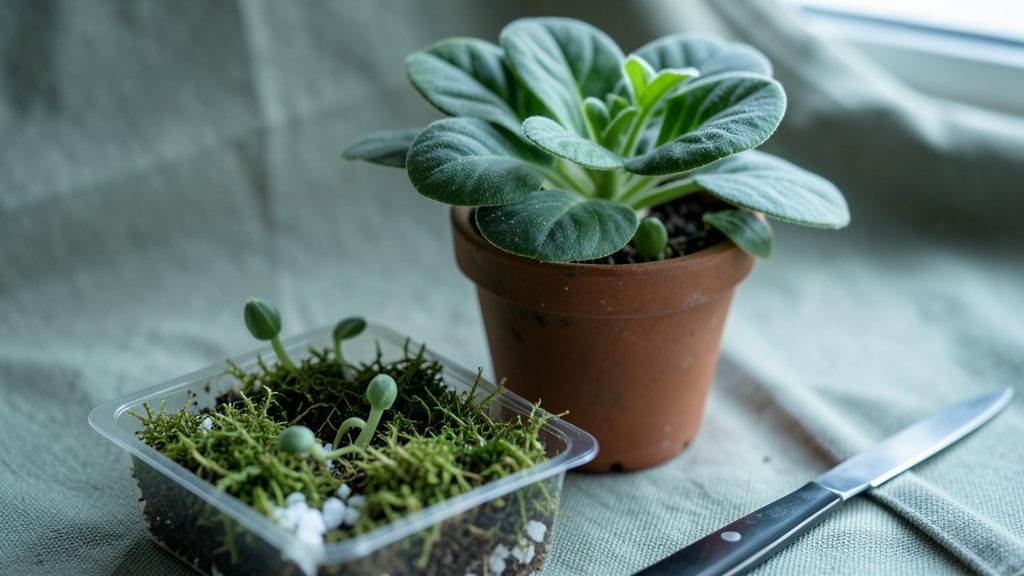
Asexual plant propagation produces exact genetic copies of parent plants through stems, leaves, or roots, guaranteeing identical traits without seeds. Popular techniques include stem cuttings, leaf propagation, and division, perfect for multiplying perennials, succulents, and woody plants like mint, coleus, and roses.
Asexual propagation works by harnessing a plant's natural ability to regenerate from fragments, using hormones like auxins to trigger root growth. 🌱 Unlike seeds, this method preserves the parent's exact characteristics—color, growth pattern, and disease resistance—making it ideal for gardeners who want consistent results.
For example, a single pothos cutting can become a full plant in weeks, while seed-grown versions might take years to reach maturity.
This approach also skips the unpredictable variables of sexual reproduction, like cross-pollination or genetic mutations. Many gardeners prefer it for rare or hybrid plants where seed viability is uncertain.
The key to success lies in choosing the right technique for your plant—some thrive with simple stem cuttings, while others need specialized methods like air layering or division.
💡 In This Article
- How Asexual Plant Propagation Works
- Best Asexual Propagation Methods for Common Houseplants
How asexual plant propagation works
At the heart of asexual plant propagation lies the plant's natural ability to regenerate from fragments, driven by two key hormones: auxins and cytokinins. Auxins, primarily produced in the plant's growing tips, stimulate root formation by promoting cell elongation and division at the cutting site.
When you take a stem cutting, the severed end begins producing a higher concentration of auxins, triggering the development of adventitious roots—roots that grow from non-root tissues.
This process is why a single stem from your favorite coleus can grow into a full plant within just 4-6 weeks under ideal conditions.
The first visible sign of this transformation is the formation of callus tissue, a wound-healing layer that appears as a rough, white or brownish mass at the cut end.
This callus acts as a bridge, allowing nutrients and hormones to flow between the cutting and emerging roots. 🌱 The callus typically forms within 3-7 days in humid environments, creating the perfect foundation for root development.
Unlike sexual reproduction, which relies on genetic recombination through seeds, asexual methods bypass this step entirely, ensuring the offspring is a perfect clone of the parent.
This genetic uniformity is both the strength and the limitation of asexual propagation. While it guarantees consistent traits—like the exact shade of purple in your African violet or the compact growth habit of a dwarf rose—it also means any diseases or weaknesses in the parent plant will carry over.
For example, if your mother plant has a fungal infection, every cutting will inherit that susceptibility. In contrast, sexual reproduction through seeds introduces genetic diversity, which can sometimes lead to hardier offspring better equipped to resist pests or environmental stresses.
The speed of growth is another major advantage. Seed-grown plants often take 1-2 years to reach maturity, while asexually propagated plants can be ready to transplant in just 8-12 weeks.
This rapid turnaround is why professional growers and home gardeners alike favor methods like stem cuttings for plants like mint or pothos. The trade-off?
Asexual propagation requires more hands-on care during the rooting phase, including maintaining high humidity (often achieved with plastic domes or propagation boxes) and precise temperature control (typically between 65-75°F).
Consider the case of succulents like echeveria, which propagate effortlessly from individual leaves. When you place a leaf cutting on soil, the base begins producing auxins that stimulate both root and shoot growth simultaneously.
This dual process creates a new plant in just 30-45 days, a timeline that would be impossible to match with seed germination.
The key here is understanding how each plant species responds to hormonal signals—some, like willow trees, root almost instantly when placed in water, while others need a more controlled environment with rooting hormone powders.
What most gardeners don't realize is how environmental factors interact with these hormonal processes. Light levels affect cytokinin production, which in turn influences shoot growth. Too little light can stunt development, while excessive light may cause the cutting to dry out before roots form.
The ideal scenario balances moderate indirect light with consistent moisture—never allowing the cutting to dry out completely. This delicate interplay between biology and environment is why successful propagation often feels like an art as much as a science. 💫