Landscaping
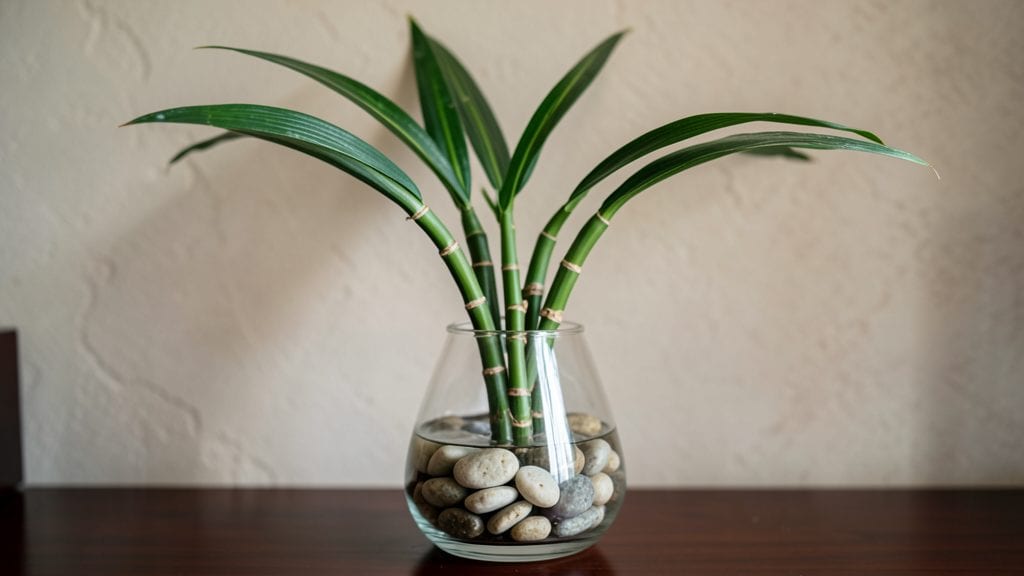
A bamboo plant fence grows faster than any other privacy screen I’ve tried—thick, lush walls in just three seasons. 🌱 The first time I planted bamboo along my property line, I expected years before seeing real results, but by summer’s end, the shoots were already taller than me.
It’s not just about speed; it’s about transforming bare spaces into natural, living barriers that outperform wood or vinyl.
Clumping bamboo is the game-changer for most gardeners—it stays put, grows in tight clusters, and never spreads invasively. Plant it in 5-gallon containers spaced 3-4 feet apart for a dense screen that fills in quickly.
Running bamboo, while faster-growing, needs heavy-duty root barriers (or you’ll regret it). Either way, you’re looking at 10-12 feet of height in 3 years with minimal effort.
The payoff is immediate: no more peeking neighbors, no more wind whipping through gaps, and a screen that actually improves with age. By year three, you’ll have a 6-foot-tall, wind-resistant wall that’s also wildlife-friendly and requires almost no maintenance beyond occasional trimming.
Plus, it’s cheaper than traditional fencing and looks better every year.
Works for privacy screens, windbreaks, or even decorative borders—just pick the right variety and plant it in the right spot. Here’s how to do it without the headaches most people face.
📚 In This Guide
- What you need
- Instructions
- Tips and common mistakes
- Wrapping up and next steps
What you need
- ● Bamboo plants: 10–20 live stakes per linear foot (depending on spacing—closer for denser growth). Choose clumping bamboo (e.g., Bambusa multiplex) for easier control.
- ● Soil amendments: Compost (1–2 bags per 10 sq ft)
- ● Organic mulch (straw or wood chips, 2–3 cubic feet per 10 sq ft)
- ● Fencing supports: T-posts or wooden stakes (1 per 4–6 ft of fence length)
- ● Galvanized wire or zip ties (for securing stakes)
- ● Watering supplies: Hose with spray nozzle or drip irrigation kit
- ● Water storage container (5+ gallons)
- ● Shovel or spade (for digging)
- ● Measuring tape (25+ ft)
- ● String line + stakes (for marking layout)
- ● Pruners (for trimming)
- ● Work gloves (to protect your hands)
- ● Location: Full sun to partial shade (6+ hours of sunlight daily). Avoid low-lying areas where water pools.
- ● Soil prep: Loosen soil to 12–18 inches deep; amend with compost for drainage.
- ● Permits: Check local regulations—some areas restrict bamboo growth due to invasiveness.
- ● Timing: Plant in spring or early fall for best root establishment.
- ● Erosion fabric (to prevent soil runoff)
- ● Decorative edging (stone, metal, or bamboo caps)
- ● Fertilizer (balanced 10-10-10 or bamboo-specific)
- ● Solar-powered lights (for ambiance)
Step-by-Step instructions for building a fast-growing bamboo privacy screen
Here’s how to create a lush, wind-resistant privacy screen that grows 3-4 feet per year—no construction skills needed.
🌱 Step 1: Choose and Prepare the Right Bamboo Varieties
Select clumping bamboo (not running types) to prevent aggressive spread. I recommend Bambusa multiplex or Phyllostachys aureosulcata—both grow 10-15 feet tall and tolerate USDA zones 7-11. Avoid invasive species like Phyllostachys bambusoides, which can damage foundations.
Order 4-6 bare-root plants (one per section) from a reputable nursery. Soak roots in lukewarm water for 2 hours before planting to revive them. Check for firm stems and green leaves—yellowing signals dehydration or disease. Plant within 24 hours of soaking to prevent root shock.
🪴 Step 2: Dig Holes and Plant for Maximum Growth
Dig holes twice as wide as the root ball and 6-8 inches deeper than the container. Space plants 3-5 feet apart for a dense screen—closer spacing works for shorter varieties like Bambusa multiplex. Mix 3 gallons of compost into the native soil to improve drainage and nutrient availability.
Place each plant so the crown sits 1 inch above soil level—burying too deep suffocates roots. Backfill with native soil, tamp gently, and water deeply until moisture reaches 12 inches down. Mulch with 2 inches of wood chips to retain moisture and suppress weeds. Avoid plastic mulch—it traps heat and can scorch roots.
☀️ Step 3: Provide Optimal Light and Water for Fast Growth
Bamboo thrives in full sun to partial shade (6+ hours of direct light daily). In hot climates, morning sun and afternoon shade prevents leaf scorch. If planting in shade, expect slower growth—but the screen will still fill in within 3 seasons. Water deeply 2-3 times per week for the first year, ensuring top 12 inches of soil stays moist (not soggy).
After establishment, reduce watering to once weekly unless in extreme heat. Overwatering causes root rot, which kills plants within 2-3 weeks. You’ll know moisture is right when leaves stay vibrant green and new shoots emerge every 2-3 weeks in spring/summer.
✂️ Step 4: Prune for Density and Control Spread
Cut back dead or damaged canes in early spring before new growth starts. Use clean, sharp pruners to make 45-degree cuts just above a node (the bump where leaves grow). This encourages bushier growth and prevents hollow stems. Remove 10-20% of oldest canes annually to rejuvenate the plant—older canes produce fewer leaves.
If using clumping bamboo, divide every 3-4 years to control size. Dig up a section with 3-5 canes, replant it in a new location, and water thoroughly. This keeps your screen dense and manageable without invasive spread. Wear gloves—bamboo shoots have sharp edges that can cut skin.
⏰ Step 5: Maintain Through Seasons for Long-Term Privacy
Fertilize in early spring with 5-10-10 slow-release fertilizer (follow package rates). Bamboo is light feeder—over-fertilizing causes leaf burn and weak stems. In winter, protect young plants in colder zones (below 7) with burlap wraps or mulch blankets to prevent frost damage. You’ll see full privacy in 3 seasons if planted correctly.
Watch for bamboo borers (small holes in stems) or fungal leaf spots. Treat with neem oil spray if needed. By year 3, your screen will block 90% of wind and noise, creating a serene outdoor space. Adjust spacing as needed—bamboo grows 3-4 feet taller annually, so plan for future height.
Tips & tricks for a fast-growing bamboo privacy screen
Here's how to accelerate growth while avoiding the most common pitfalls that slow down your bamboo screen.
Root Revival Timing: That 2-hour soak in lukewarm water is non-negotiable for bare-root plants—it jumpstarts root regrowth and prevents transplant shock. I've seen plants that weren't soaked properly struggle for months to establish, while properly soaked ones shoot up 6 inches taller in their first season. Use a clean bucket and change the water halfway through the soaking period to maintain optimal temperature.
Planting Depth Secret: Positioning the crown exactly 1 inch above soil level is critical for preventing root suffocation, but don't overlook the soil composition. The 3 gallons of compost should be mixed thoroughly with native soil—think of it as creating a nutrient-rich sponge that holds moisture while allowing excess to drain. I like to add a handful of perlite to the mix for even better drainage in heavy clay soils.
Watering Strategy: The 2-3 times per week watering schedule works best when you're actually measuring soil moisture. Stick your finger 2 inches down—if it feels dry, water deeply until moisture reaches 12 inches. Overwatering is the #1 killer of young bamboo, and you'll know you're doing it right when you see those new shoots emerging every 2-3 weeks in spring. In extreme heat, consider a drip irrigation system to maintain consistent moisture without over-saturating.
Pruning Technique: When making those 45-degree cuts in Step 4, aim just above a node to encourage bushier growth. I recommend sterilizing your pruners with rubbing alcohol between cuts to prevent spreading disease. The 10-20% annual pruning of oldest canes might seem drastic, but it's what keeps your screen dense—older canes become hollow and produce fewer leaves. Think of it as giving your plants a haircut to stimulate new growth.
Pro Tips for Bamboo Plant Fence
- Here's how to accelerate growth while avoiding the most common pitfalls that slow down your bamboo screen.
- Root Revival Timing: That 2-hour soak in lukewarm water is non-negotiable for bare-root plants—it jumpstarts root regrowth and prevents transplant shock.
- Planting Depth Secret: Positioning the crown exactly 1 inch above soil level is critical for preventing root suffocation, but don't overlook the soil composition.
Frequently asked questions
Got questions about bamboo plant fences?
You’re not alone! Here are answers to the most common concerns—from installation to upkeep—so you can confidently create your own fast-growing privacy screen.
How long does it take for a bamboo fence to grow tall enough for privacy?
A bamboo plant fence can reach 6–12 feet in just 1–3 years, depending on the variety (e.g., Bambusa vulgaris grows faster than Phyllostachys aureosulcata). For quick results, plant clumping bamboo in spring or early summer—it’ll shoot up 3–4 feet per year with proper care!
Are bamboo fences expensive to install and maintain?
Upfront costs vary: $3–$10 per stalk for nursery plants, plus $1–$3 per linear foot for labor if hiring pros. Good news! Bamboo is low-maintenance—just water deeply for the first year, fertilize annually, and prune dead canes. No pesticides needed if planted in well-draining soil.
Can bamboo survive in cold climates, or do I need alternatives?
Most tropical bamboo (like Bambusa) dies below 10°F, but hardy varieties (e.g., Phyllostachys) tolerate 0°F–10°F. For colder zones, try alternatives like arborvitae, evergreen shrubs, or fast-growing evergreen trees (e.g., Leyland cypress). Check your USDA zone before planting!
Will bamboo fences attract pests or spread invasively?
Bamboo is not inherently invasive—only running bamboo (like Phyllostachys) spreads via underground rhizomes. To contain it, plant in rhizome barriers (HDPE plastic or metal) or choose clumping bamboo (e.g., Bambusa multiplex). Deer and rabbits usually avoid it, but slugs may nibble young shoots—use organic slug bait if needed.
What’s the best way to remove a bamboo fence if it’s too large?
Removing mature bamboo is tough but doable! Step 1: Cut canes at ground level with a chainsaw. Step 2: Dig out rhizomes (wear gloves—some are sharp!). Step 3: Check for regrowth and repeat as needed. For stubborn roots, hire a pro or rent a rhizome saw. Pro tip: Smother remaining roots with cardboard and mulch to prevent sprouting.
Can I mix bamboo with other plants for a layered fence?
Combine bamboo with ornamental grasses (e.g., pampas grass), flowering shrubs (e.g., hydrangeas), or vines (e.g., clematis) for texture and color. Just ensure the bamboo gets 6+ hours of sunlight—most companions thrive in partial shade. Layering adds depth and hides the fence’s base.
Wrapping up and next steps
A bamboo plant fence isn’t just a stylish addition to your yard—it’s a fast, sustainable, and low-maintenance way to reclaim your privacy in just three seasons! 🌿 Whether you’re drawn to its natural beauty, eco-friendly growth, or cost-effectiveness, bamboo delivers results without the hassle of traditional fencing.
With the right variety, installation, and care, you’ll enjoy a lush, wind-resistant barrier that thrives year after year.
Ready to transform your outdoor space? Start by sketching your design—measure your space, pick your bamboo type, and gather supplies. Then, roll up your sleeves and plant with confidence!
For extra peace of mind, consider consulting a local landscaper or joining online gardening communities to share your progress. Your serene, private oasis is just a few shoots away! 🌱✨