
Plants
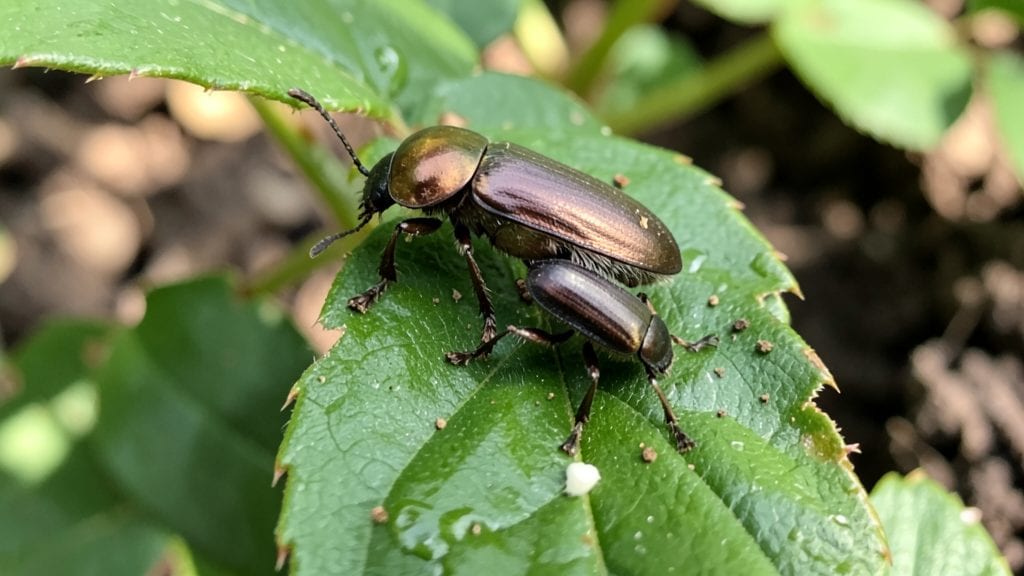
The moment you spot beetles eating plants, panic isn’t your ally—the race to save your garden is, and I’ve learned the best moves go beyond sprays and traps. 🌱 barriers that stop them before they start.
The moment you spot skeletonized leaves or chewed stems, you’re already losing the war if you wait.
Most gardeners reach for pesticides first, but that’s like calling in an artillery strike for a squirrel problem. Instead, I focus on three simple layers: physical shields (row covers, collars), habitat tweaks (removing beetle hotspots), and attracting their natural enemies like ladybugs and parasitic wasps.
My tomatoes and peppers stayed beetle-free all summer last year—no chemicals, just strategy. The best part? These methods work whether you’re growing veggies in raised beds or flowers in containers.
You’ll walk away with a garden that looks like it’s from a catalog, not a beetle buffet. Imagine crisp lettuce, unblemished rose petals, and zucchini that aren’t riddled with holes—all without harming pollinators or your soil.
The secret isn’t complicated, but it does require acting fast when you spot the first signs of trouble. Let’s turn your garden back into a feast for you, not the beetles.
These tactics adapt to any garden size or climate, from suburban backyards to urban balconies. Whether you’re dealing with a sudden outbreak or just want to prevent one, the same principles apply—no guesswork, just results. Ready to reclaim your plants?
Root Causes of Plant Devouring
When beetles start feasting on your plants, it’s rarely a random act—it’s usually a response to specific environmental or plant-related triggers. Understanding these causes is the first step to protecting your garden.
Below, we break down the key reasons why beetles target your greenery, along with actionable insights to address each.
Beetles, especially Japanese beetles and colorado potato beetles, are drawn to plants that are already compromised. Overripe, wilted, or nutrient-deficient foliage emits chemical signals (like volatile organic compounds) that attract pests. These beetles prefer easy meals—plants under stress have lower defenses and softer tissue, making them a buffet.
Why it happens:
- Nutrient deficiency: Plants lacking nitrogen, potassium, or phosphorus produce weaker cell walls, making them more vulnerable to chewing.
- Overwatering or drought: Both extremes stress plants. Overwatering rots roots, while drought weakens stems—both scenarios signal beetles that the plant is an "easy target."
- Disease or pest damage: If aphids or fungal infections have already attacked your plants, beetles may follow, capitalizing on the weakened state.
Actionable fix: Maintain balanced soil health with compost or organic fertilizers (like fish emulsion for nitrogen). Monitor watering schedules—aim for 1 inch per week—and prune damaged leaves to remove attractants.
Not all plants are equal in the eyes of beetles. Some varieties are like all-you-can-eat buffets, while others are ignored. Beetles have a strong preference for plants in the Solanaceae (tomatoes, peppers, potatoes), Fabaceae (beans, clover), and Rosaceae (roses, raspberries) families.
Even ornamental plants like lilacs and elms are high-risk targets.
Why it happens:
- Chemical cues: Plants like roses release phenolic compounds that beetles find irresistible. These chemicals act like perfume to pests, drawing them in from miles away.
- Soft, tender leaves: Beetles avoid plants with tough, waxy, or hairy foliage (like lavender or thyme) because they’re harder to digest.
- Floral nectar: Some beetles, like the squash bug, are attracted to flowers first—they’ll lay eggs near blooming plants, ensuring their larvae have a ready food source.
Actionable fix:
- Interplant repellent crops like basil, marigolds, or catnip between vulnerable plants to mask chemical signals.
- Choose beetle-resistant varieties (e.g., 'Defiant PhR' phlox or 'Honeybee' tomato).
- Avoid over-fertilizing with nitrogen—it makes plants too lush, which beetles love.
Beetles don’t just land on plants—they’re often lured by the surrounding environment. Mulch piles, dense foliage, and damp soil create the perfect hideout and breeding ground. Many beetle species, like flea beetles, prefer areas with high humidity and organic debris, as these mimic their natural habitats.
Why it happens:
- Mulch as a magnet: Thick mulch retains moisture and warmth, encouraging beetle eggs to hatch. Some species, like Japanese beetles, overwinter in mulch or grass clippings.
- Standing water: Puddles or poorly drained soil attract beetles that need moisture for egg-laying. Even root weevils are drawn to soggy soil.
- Weedy borders: Beetles often move from wild plants (like dandelions or stinging nettles) to cultivated gardens, especially if those "volunteer" plants are thriving.
Actionable fix:
- Use thin mulch layers (1–2 inches) and keep it away from plant stems to reduce humidity.
- Improve drainage in garden beds by amending soil with perlite or sand.
- Remove weeds and debris regularly, especially in early spring when beetles emerge.
Beetle activity isn’t random—it’s tied to temperature, daylight, and reproductive cycles. For example, June bugs emerge in late spring to early summer, while colorado potato beetles time their attacks with tomato flowering. Even the time of day matters: many beetles are most active at dawn and dusk.
Why it happens:
- Warmth triggers emergence: Beetles like Japanese beetles wake from dormancy when soil temps hit 60°F (15°C). This is why outbreaks spike in June and July.
- Plant flowering cues: Some beetles (e.g., squash vine borers) lay eggs only on plants that are blooming, ensuring larvae have fresh leaves to eat.
- Daylength sensitivity: Longer daylight hours in summer signal beetles to feed aggressively before laying eggs for the next generation.
Actionable fix:
- Set up yellow sticky traps in early spring to catch adult beetles before they reproduce.
- Use row covers on susceptible plants (like cucumbers) during peak beetle hours (early morning/evening).
- Plant early-season crops (e.g., radishes) to distract beetles from your main plants.
Pro tip: 🔍 Inspect plants regularly—look for chewed edges, egg masses (white/yellow), or frass (fecal pellets). Early detection lets you act before beetles become a full-blown infestation!
Quick Fixes for Beetle Damage
If beetles have already started munching on your plants, don’t panic—there are fast, effective ways to stop the damage and protect your garden. The key is to act swiftly and combine multiple strategies for the best results.
Below, we’ll break down solutions based on the most common causes of beetle infestations, from overcrowded plants to poor soil health, and provide actionable steps to turn things around.
If you spot beetles or chewed leaves, isolate and remove the worst-affected plants right away. Check the soil and undersides of leaves for eggs or larvae, too. Drop them in a sealed trash bag or compost bin (if you’re sure it’s pest-free) to prevent spreading.
For severe cases, consider burning the debris—just follow local fire regulations.
Beetles are attracted to light, moisture, and certain scents. Use these DIY traps to lure them away:
- Beer Traps: Bury a shallow container (like a plastic cup) filled with beer at soil level. The yeast smell attracts beetles, and they’ll drown. Refresh every 2–3 days. 🍺
- Yellow Sticky Traps: Hang yellow cards or boards coated with non-toxic glue near your plants. Beetles are drawn to the color and get stuck. Replace when covered.
- Diatomaceous Earth: Sprinkle food-grade DE around the base of plants and along the soil. It’s a fine powder that dehydrates beetles on contact. Reapply after rain. ⚗️
Healthy plants are less appealing to beetles. Boost your garden’s resilience with these low-effort hacks:
- Water in the Morning: Beetles love damp leaves. Watering early in the day lets foliage dry faster, making it less inviting. 💦
- Prune Regularly: Trim damaged or overgrown leaves to improve airflow and reduce hiding spots for beetles. Focus on the undersides of leaves where eggs are often laid.
- Mulch Strategically: Use organic mulch (like straw or wood chips) to keep soil moist and cool. This discourages beetles while benefiting your plants. 🌱
Nature’s pest control is often the most sustainable solution. Invite beetle-eating allies to your garden:
- Ladybugs: Release ladybug larvae or adults near infested areas. They devour beetle eggs and soft-bodied pests. Buy them online or from garden centers. 🐞
- Ground Beetles: These nocturnal predators love beetle larvae. Create a habitat for them by leaving leaf litter or rocks in shady spots.
- Birds: Install birdhouses or feeders to attract insect-eating birds like sparrows or wrens. Even a simple birdbath can help! 🐦
Stop beetles before they start with these proactive measures:
- Rotate Crops: Avoid planting the same vegetables in the same spot year after year. Beetles target familiar hosts. 🌿
- Interplant with Repellents: Surround vulnerable plants with beetle-deterring companions like:
- Marigolds (strong scent)
- Basil (natural insect repellent)
- Garlic or chives (deterrent to many pests)
- Use Neem Oil: Spray a diluted neem oil solution on leaves weekly. It disrupts beetle feeding and reproduction without harming plants. 🌿
- Encourage Diverse Soil Life: Healthy soil with worms, fungi, and microbes makes plants tougher. Add compost or worm castings to boost defenses.
If beetles persist despite your efforts, consider targeted organic sprays like:
- Spinosad: A natural bacteria-based spray that’s effective against many beetle species (safe for pets once dry).
- Kaolin Clay: Forms a protective film on leaves, making them less appealing to beetles. Reapply after rain.
Pro Tip: Always test sprays on a small leaf first to check for sensitivity. 🎯
Frequently asked questions
What are the most common beetles that attack garden plants?
The worst offenders include Japanese beetles (skeletonize leaves), Colorado potato beetles (target tomatoes/peppers), flea beetles (tiny jumps on seedlings), and squash bugs (lay eggs near cucurbit flowers). Each leaves distinct damage patterns—Japanese beetles create lace-like holes while squash bugs cause wilting stems.
How do I tell if beetle damage is from adults or larvae?
Adult beetles chew irregular holes (often along leaf edges), while larvae create ragged, window-pane patterns. Look for frass (fecal pellets)—larvae leave behind fine black specks, while adults scatter larger brown droppings. Check soil and leaf undersides for egg masses (tiny white/yellow clusters).
Will neem oil really stop beetles from returning?
Neem oil disrupts beetle feeding and reproduction, but it’s not a permanent shield. Reapply every 7-10 days (or after rain) for best results. For stubborn infestations, combine it with kaolin clay or yellow sticky traps—this multi-layer approach confuses beetles and breaks their life cycle faster.
Can I use diatomaceous earth on edible plants?
Yes, but only food-grade DE—sprinkle lightly around plant bases (avoid direct leaf contact). Reapply after watering. It’s non-toxic once settled but can irritate lungs, so wear a mask when applying. For container gardens, mix DE into the soil surface instead of scattering it broadly.
Why do beetles always return even after I treat them?
Beetles often come from nearby wild areas (like dandelions or weeds). Remove habitat sources within 50 feet of your garden. Also, some beetles (like Japanese beetles) fly in from miles away—use row covers during peak flight times (June-August) to create a physical barrier.