Companion Plants
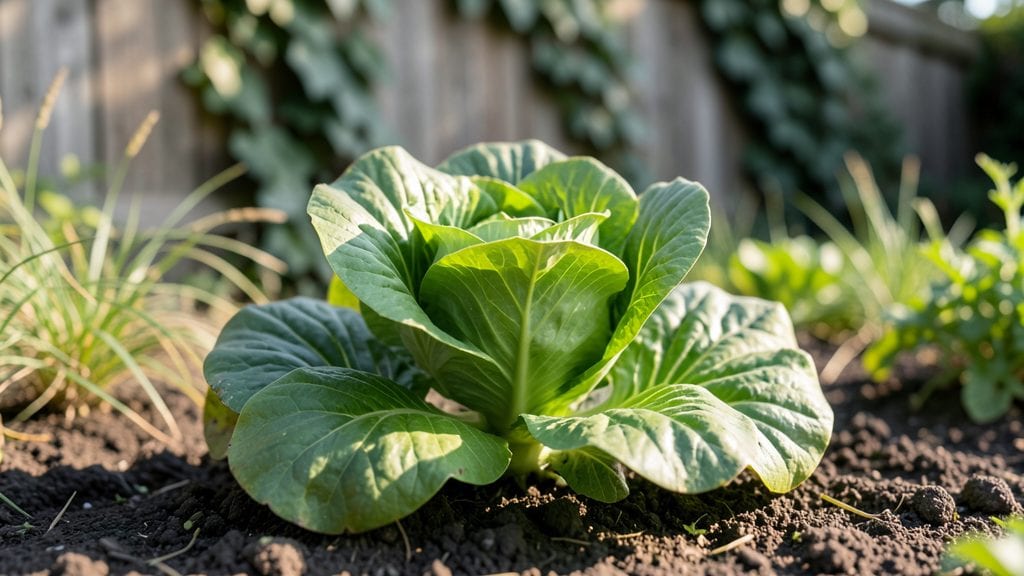
These beginner garden plants—like bush beans and radishes—will have you harvesting in weeks, not seasons. 🌱 I planted my first garden with these exact plants five years ago, and they’ve never let me down—especially when paired right to keep pests away.
The secret isn’t fancy tools or rare seeds; it’s choosing plants that outpace weeds, repel bugs, and forgive beginner mistakes.
Start with bush beans, radishes, lettuce, and marigolds—they’re the ultimate team players. Bush beans climb fast and shade out weeds, while radishes mature in 30 days and deter pests like aphids. Marigolds?
They’re the garden’s natural bug repellent, with their bright blooms and strong scent. These plants thrive in full sun to partial shade, need minimal fuss, and deliver results that’ll make you feel like a pro.
By mid-summer, you’ll have a pest-free harvest of crisp radishes, tender lettuce, and snap beans—all while watching marigolds bloom like confetti. The best part? These plants grow together so well, you’ll spend less time fighting nature and more time enjoying it.
Ready to turn your patch of dirt into a thriving, low-stress garden?
Works in containers, raised beds, or in-ground plots—no experience required. Here’s how to get started without the overwhelm.
📚 In This Guide
- What you need
- Instructions
- Tips and common mistakes
- Wrapping up and next steps
What you need
- ● Seeds or Seedlings: Fast-growing companion plants like basil, marigolds, radishes, or bush beans (3–5 plants per variety).
- ● Pest-repelling plants like nasturtiums or dill (2–3 plants).
- ● Garden Space: Container (5–10 gallons) or in-ground plot (minimum 12" deep, 12" apart for spacing).
- ● Well-draining soil (mix in compost for nutrients).
- ● Tools: Trowel or small hand shovel.
- ● Garden gloves (1 pair).
- ● Watering can or hose with gentle spray nozzle.
- ● Pruners (small pair for trimming).
- ● Mulch (straw or shredded leaves) to retain moisture.
- ● Organic fertilizer (balanced 10-10-10 or compost tea).
- ● Support stakes for taller plants (e.g., beans or peas).
- ● Row covers or netting (to deter pests like cabbage moths).
- ● Pest-control sprays (neem oil or insecticidal soap for emergencies).
Step-by-step guide for selecting and planting fast-growing beginner garden plants
Here’s how to choose and grow four hardy, pest-resistant plants that deliver quick results.
🌱 Step 1: Choose the Right Fast-Growing Varieties
Start with bush beans, radishes, lettuce, and marigolds—these mature in 30-60 days and naturally deter pests. Bush beans grow 12-18 inches tall and produce pods in 50-60 days, while radishes pop up in 25-30 days. Lettuce varieties like 'Black Seeded Simpson' reach harvestable size in 30-40 days, and marigolds bloom in 45-60 days while repelling nematodes and aphids.
I always check seed packets for days to maturity—this tells you exactly when to expect results. Plant bush beans and marigolds first, as they establish quickly and provide shade for slower-growing lettuce. Radishes act as a fast cover crop, preventing weeds while their greens are edible.
☀️ Step 2: Prepare the Soil for Quick Germination
Work in 2-3 inches of compost into the top 6 inches of soil to loosen it and improve drainage. These plants thrive in well-draining, slightly acidic soil (pH 6.0-7.0). I like to mix in a balanced 10-10-10 fertilizer at planting time to give them an immediate nutrient boost for fast growth.
Test the soil moisture before planting—it should feel like a wrung-out sponge, not bone-dry or soggy. If your soil is heavy clay, add 1 part perlite to 3 parts soil to prevent waterlogging, which stunts root growth. Avoid fresh manure, as it can burn tender seedlings.
💧 Step 3: Plant at the Correct Depth and Spacing
Sow bush bean seeds 1 inch deep, spacing them 4 inches apart in rows 18 inches apart. Radishes go ½ inch deep, 1 inch apart, and lettuce seeds ¼ inch deep, 6 inches apart. Marigold seeds need ¼ inch depth and 12 inches apart—they’ll spread but stay compact.
I plant bush beans and marigolds first, then fill the gaps with radishes and lettuce. Water gently after planting to settle the soil, but avoid soaking—you’ll see the first true leaves emerge in 5-7 days for radishes and 7-10 days for beans and lettuce. Keep the soil evenly moist (not soggy) until germination.
✂️ Step 4: Maintain for Fast, Pest-Free Growth
Thin seedlings to the recommended spacing as soon as they develop first true leaves—this prevents competition and ensures strong stems. Water 1 inch per week, focusing on the base of plants to avoid fungal diseases. Bush beans and marigolds need full sun (6+ hours daily), while lettuce tolerates partial shade in hot climates.
Watch for pests like aphids on lettuce—marigolds will naturally repel them, but I still inspect leaves weekly. Harvest radishes when they reach 1 inch in diameter, and bush beans when pods are firm and glossy. Lettuce leaves can be picked outer-to-inner to encourage continuous growth.
🌿 Step 5: Extend the Season with Succession Planting
For a continuous harvest, replant bush beans and lettuce every 2-3 weeks after the first planting. Radishes and marigolds reseed easily—let a few bolt to scatter seeds naturally for next season. I always save seeds from marigolds, as they’re open-pollinated and true to type.
By the time your first radishes are ready, the marigolds will be blooming, deterring pests from the beans and lettuce. This interplanting strategy keeps your garden productive and pest-free with minimal effort—ideal for beginners.
Tips & tricks for fast-growing beginner garden plants
These quick strategies will help you maximize your garden's speed and productivity while keeping pests at bay.
Timing is Everything: The 5-7 day germination window for radishes and 7-10 days for beans and lettuce is your first opportunity to see results. Plant radishes first—they'll give you visible progress in under two weeks, which is incredibly motivating! I always keep a planting calendar to track these timelines, as it helps me plan for continuous harvests. The key is to maintain that evenly moist soil (like a wrung-out sponge) during these critical germination periods, as inconsistent moisture can delay emergence by days.
Soil Preparation Shortcut: Don't overthink the soil prep—focus on those 2-3 inches of compost mixed into the top 6 inches. For beginners, I recommend using a simple soil test kit to confirm the pH is between 6.0-7.0. If you're in a hurry, you can even use a pre-mixed vegetable garden soil that already has the right balance. The 10-10-10 fertilizer at planting time gives your plants an immediate energy boost without the risk of over-fertilizing, which can happen with more concentrated blends.
Planting Strategy: The layering technique in Step 3 is where the magic happens for fast results. Plant bush beans and marigolds first—they establish quickly and provide shade for the lettuce. Then fill in the gaps with radishes and lettuce. This creates a living mulch that reduces evaporation and keeps weeds at bay. I always mark my planting rows with colored stakes to visualize the spacing—18 inches between bean rows, 12 inches for marigolds, and 6 inches for lettuce—this prevents overcrowding that can stunt growth.
Pest Prevention Pro Tip: Those marigolds aren't just pretty—they're your secret weapon. Plant them around the perimeter of your garden bed to create a natural barrier against pests like aphids and nematodes. The flowers also attract beneficial insects like ladybugs and lacewings that prey on garden pests. For extra protection, I sprinkle a light layer of diatomaceous earth around the base of plants—it's non-toxic and disrupts the exoskeletons of soft-bodied insects.
Pro Tips for Beginner Garden Plants
- These quick strategies will help you maximize your garden's speed and productivity while keeping pests at bay.
- Timing is Everything: The 5-7 day germination window for radishes and 7-10 days for beans and lettuce is your first opportunity to see results.
- Soil Preparation Shortcut: Don't overthink the soil prep—focus on those 2-3 inches of compost mixed into the top 6 inches.
Frequently asked questions
Got questions about starting your beginner garden? You’re not alone!
Here are answers to the most common concerns—so you can grow with confidence and fewer pests.
Which beginner plants grow the fastest for pest control?
Fast-growing companions like marigolds (2-3 weeks), basil (4-6 weeks), and nasturtiums (3-4 weeks) deter pests while thriving in partial shade or sun. Plant seeds directly after your last frost date for quick results!
When is the best time to plant these beginner-friendly companions?
Most companion plants love spring or early summer (after frost risk passes). Check your USDA zone—cool-season crops (like radishes) can even go in fall. Pro tip: Start seeds indoors 4-6 weeks before transplanting for a head start!
How do I keep pests away without chemicals?
Interplant strong-scented herbs (basil, dill) with veggies—they confuse pests! Marigolds repel nematodes, while nasturtiums lure aphids away. Mulch with straw to block weeds and deter crawling insects. Rotate crops yearly to break pest cycles.
What if my beginner plants aren’t thriving?
Check for sunlight (6+ hours/day for most), water (1 inch weekly), and soil (well-draining, compost-amended). Yellow leaves? Overwatering. Wilting? Underwatering. Pests? Spray with soapy water (1 tsp dish soap + 1L water) or introduce ladybugs for natural control.
Are there easy alternatives for small spaces or containers?
Try bush beans (compact varieties), lettuce (cut-and-come-again), or cherry tomatoes in 5-gallon pots. Herbs like thyme or parsley thrive in 6-inch containers. Just ensure pots have drainage holes and use lightweight potting mix.
| Plant | Pest It Repels | Growth Time |
|---|---|---|
| Marigolds | Nematodes, aphids, mosquitoes | 2-3 weeks |
| Basil | Mosquitoes, flies, whiteflies | 4-6 weeks |
| Nasturtiums | Aphids, squash bugs, cucumber beetles | 3-4 weeks |
Wrapping up and next steps
Starting your gardening journey with fast-growing, pest-resistant companions is a fantastic way to build confidence and enjoy bountiful harvests! 🌱 These beginner-friendly plants—like marigolds, basil, and nasturtiums—not only thrive easily but also protect your garden naturally.
Remember, the key is to start small, stay consistent, and observe your plants’ needs.
Ready to dive in? Your next step: Pick 2-3 plants from this list, gather your supplies, and plant them this weekend! Watch your garden transform—and don’t forget to share your progress with fellow green thumbs. Happy gardening! 🌿