
Pruning
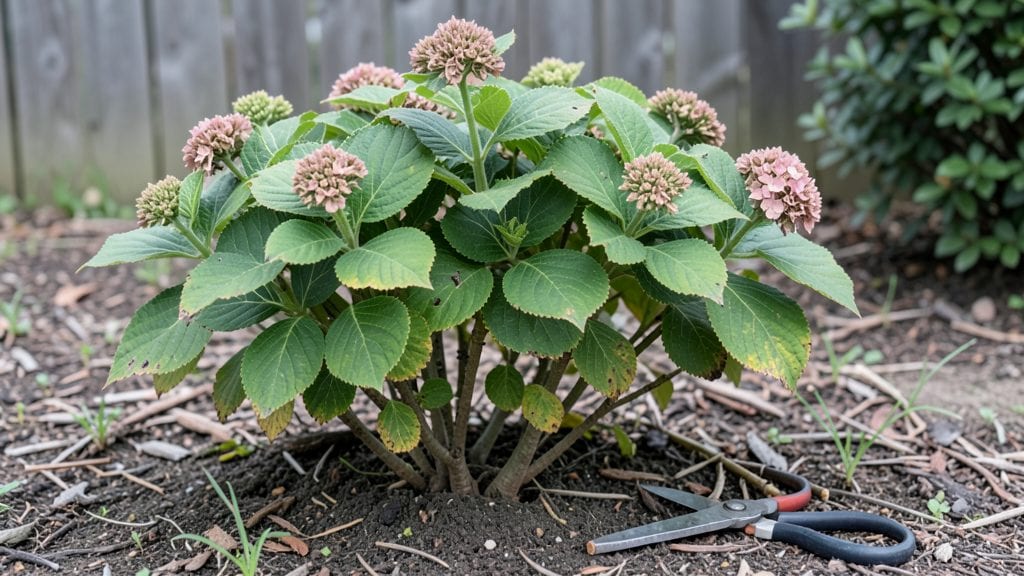
Pruning hydrangea plants at the best time means the difference between showstopping blooms and a shrub that barely puts out flowers.
Struggling to get your hydrangeas to bloom their biggest and brightest? The secret isn’t just when you prune—it’s mastering the timing to avoid cutting off next year’s flowers entirely. Late winter is your golden window, but there’s a science to it that most gardeners miss.
In USDA Zone 6, where frost lingers until April, the ideal window opens around mid-February and closes by early March. This is when your hydrangea 🌸 is dormant, making it the safest time to trim without risking new growth.
Below, I’ll break down the exact steps for late winter pruning, how to tell if you’ve pruned too early or too late, and the one mistake that kills blooms before they even form.
When to prune hydrangeas for maximum blooms: late winter vs. early spring
Pruning your hydrangeas at the wrong time can mean the difference between showstopping blooms and a sparse, leggy shrub.
The key is understanding whether your variety blooms on old wood or new wood, as this determines your pruning window. Late winter is ideal for most types, but early spring can work in milder climates—if you time it right.
Cutting too early risks removing next year’s flower buds, while waiting too long stunts growth.
Most gardeners make one of two mistakes: pruning too late in spring (after new growth starts) or pruning too aggressively on old-wood varieties. For example, mophead hydrangeas (like 'Endless Summer') rely on last year’s stems for blooms, while panicle hydrangeas (like 'Limelight') thrive when pruned back hard in late winter.
Climate plays a huge role—cold winters delay pruning, while mild winters allow earlier cuts.
For old-wood hydrangeas (mophead, lacecap, oakleaf), the late winter window is off-limits because their flower buds form in late summer of the previous year. Pruning too early means you’ll cut off next season’s blooms entirely.
Instead, wait until early spring—after your last frost date—to trim back dead or damaged stems only. This gives you a 2-3 week buffer to adjust for unpredictable weather.
In contrast, new-wood hydrangeas (panicle and most reblooming types) thrive with late winter pruning. These varieties produce flowers on current year’s growth, so cutting them back in January or February encourages vigorous new shoots and larger blooms.
In USDA Zone 6 or colder, prune in late February to avoid frost damage, while Zone 7-9 gardeners can prune as early as January.
Climate is your biggest variable. If you’re in a mild winter zone (like Southern California), early spring pruning works for old-wood types—but only if you wait until after the last frost.
For example, in Zone 9, prune mophead hydrangeas in March, while Zone 4 gardeners should hold off until mid-April to avoid late frosts. Always check your local frost dates for accuracy.
One common mistake is pruning too aggressively, especially on old-wood types. Never remove more than 1/3 of the plant in a single pruning session, or you risk stunted growth and fewer blooms. For panicle hydrangeas, you can be bolder—cutting back to 1/2
Step-by-step late winter pruning guide: how to prune without sacrificing flowers
Late winter is the perfect time to prune your hydrangeas—but only if you know how to do it right. Cutting at the wrong time or in the wrong way can mean fewer blooms next season.
The key is understanding whether your hydrangea blooms on old wood (like mophead varieties) or new wood (like panicle types), as this determines your pruning approach. Start by gathering your tools: clean, sharp pruners, gloves, and disinfectant to prevent disease spread.
Before you begin, identify last year’s blooms by looking for dormant flower buds on the stems. These are the small, swollen areas where next year’s flowers will form. If you prune these off, you’ll sacrifice blooms.
For old wood bloomers, wait until after they flower to prune, but late winter is ideal for new wood bloomers because they’ll produce flowers on this season’s growth. Always prune just above a bud or leaf node at a 45-degree angle.
Step-by-Step Late Winter Pruning for Hydrangeas
- Step 1: Identify your hydrangea type. Old wood bloomers (mophead, lacecap) need minimal pruning in late winter—just remove dead or diseased branches. New wood bloomers (panicle, smooth) can be pruned more aggressively.
- Step 2: Remove dead/diseased wood first. Look for branches that are brown, mushy, or hollow. Cut these back to healthy wood to improve airflow and plant health.
- Step 3: Thin out crowded branches. For new wood bloomers, prune back up to 1/3 of the plant’s height to encourage bushier growth. For old wood bloomers, only remove branches older than 3-4 years.
- Step 4: Shape the plant. Prune to maintain an open center for better airflow. Avoid cutting into the main stems unless absolutely necessary.
- Step 5: Clean up. Remove all pruned branches and sterilize tools with rubbing alcohol to prevent the spread of bacterial or fungal diseases.
Pro Tip: Prune on a dry, sunny day to reduce stress on the plant and help wounds dry faster.
One of the biggest mistakes gardeners make is over-pruning. If you cut too much, your hydrangea may struggle to produce flowers or even recover. For old wood bloomers, never prune more than 10-20% of the plant in late winter.
If you accidentally prune too much, don’t panic—apply a balanced fertilizer in early spring to help the plant recover and encourage new growth.
After pruning, give your hydrangeas a deep watering to help them recover. Mulch around the base with 2-3 inches of organic mulch (like shredded bark) to retain moisture and protect roots from temperature swings. This is especially important if late frosts are still expected in your area.
Monitor your plant closely over the next few weeks for signs of stress or disease, such as yellowing leaves or wilting.
If your hydrangea looks stressed after pruning, it might need extra care. Trim back any overly aggressive cuts and apply a root stimulator to encourage recovery. Avoid fertilizing until new growth appears, as this can further stress the plant.
With the right late winter pruning, your hydrangeas will reward you with vibrant blooms all season long.
Remember, the goal is to encourage healthy growth while preserving next year’s flowers. Late winter pruning sets the stage for a stunning summer display—just follow these steps carefully, and your hydrangeas will thank you with big, beautiful blooms! 🌸