
Companion Plants
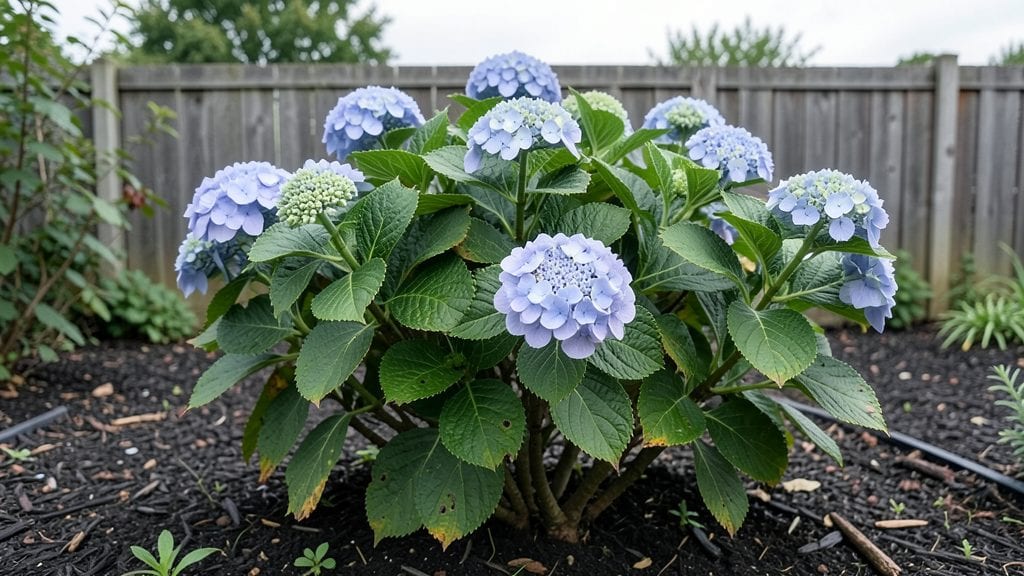
Mature hydrangea plants reward patience with showstopping blooms that last from summer through fall—if you prune them right. 🌸 I’ve watched my own hydrangeas go from scraggly to spectacular after learning the simple timing and technique that keeps them thriving.
The key isn’t just cutting back; it’s understanding when to prune based on your plant’s type and bloom habits.
Most gardeners overthink pruning, but the real secret is timing: late winter or early spring for reblooming varieties like Endless Summer, or right after flowering for old-growth types like Annabelle. You’ll also need sharp pruners, a ladder for tall varieties, and a clear day to avoid spreading disease.
The goal is to shape the plant while encouraging dense, vibrant blooms—not just hacking away at last year’s growth.
With the right approach, you’ll end up with lush, full bushes that produce blooms year after year. The flowers stay vibrant longer, the plant stays healthy, and you avoid the common mistake of pruning too late—which can leave you with no flowers at all.
Think of it as giving your hydrangea a fresh start while preserving its natural beauty.
This method works for hydrangeas in containers, borders, or as standalone specimen plants. Whether you’re dealing with a six-foot giant or a compact variety, the same principles apply. Let’s get those shears ready and turn your hydrangeas into the star of your garden!
📚 In This Guide
- What you need
- Instructions
- Tips and common mistakes
- Wrapping up and next steps
What you need
- ● Mature hydrangea plants: Choose between Hydrangea macrophylla (mophead or lacecap), Hydrangea paniculata, or Hydrangea arborescens. Select healthy, established plants (3–5 feet tall) from a reputable nursery.
- ● Well-draining potting mix or garden soil: Aim for a mix with 50% peat moss or coconut coir, 30% perlite or vermiculite, and 20% compost. For containers, use a 15–20 gallon pot with drainage holes.
- ● Pruning shears or loppers: Bypass pruners (for clean cuts) or loppers (for thicker stems). Ensure blades are sharp and sterilized with rubbing alcohol to prevent disease.
- ● Mulch: 2–3 inches of organic mulch (shredded bark, pine straw, or compost) to retain moisture and regulate soil temperature.
- ● Fertilizer: Balanced fertilizer (10-10-10 or 20-20-20): Apply ½ pound per 100 sq ft in early spring and mid-summer.
- ● Acid-loving plant fertilizer (for macrophylla): Use a high-phosphorus, low-nitrogen formula (e.g., 7-9-5) to encourage blooms.
- ● Watering can or hose with a gentle spray nozzle: Hydrangeas need 1–1.5 inches of water per week, especially during dry spells.
- ● Soil pH test kit: Adjust soil pH with lime (to raise pH) or sulfur/peat moss (to lower pH) for macrophylla varieties (ideal pH: 5.2–5.5 for blue blooms, 6.0+ for pink).
- ● Plant supports (stakes or cages): Use 3–4 ft bamboo stakes or metal cages for heavy blooms (e.g., paniculata).
- ● Slow-release fertilizer granules: Mix into soil at planting for 3–4 months of nutrients.
- ● Gloves and knee pads: Protect your hands and knees during planting/pruning!
Instructions for year-round hydrangea care and pruning
Here's how to keep your mature hydrangeas vibrant through every season.
🪴 Step 1: Assess Your Hydrangea Variety and Growth Habit
First, identify your hydrangea type—this determines when and how you prune. Bigleaf hydrangeas (Hydrangea macrophylla) bloom on old wood, meaning their flower buds form in late summer and bloom the following year. Prune these varieties like mine in late winter or early spring before new growth begins. Smooth hydrangeas (Hydrangea arborescens) bloom on new wood, so you can prune them in late winter or early spring without fear of losing blooms.
Look for last year's flower clusters—if they're still intact, you're dealing with an old-wood bloomer. If the plant is bare-stemmed, it's likely a new-wood variety. I always check for dormant buds along the stems; these tell me where next year's blooms will emerge. Avoid pruning when buds are already swollen, as this removes potential flowers.
✂️ Step 2: Prune for Shape and Airflow in Late Winter
Using your bypass pruners, start by removing dead, diseased, or crossing branches first. These compete for nutrients and reduce airflow, which invites fungal issues. Cut back to a healthy bud or lateral branch, making your cuts at a 45-degree angle just above an outward-facing bud. This ensures new growth emerges in the right direction.
For bigleaf hydrangeas, never cut back more than ⅓ of the plant in one season. I like to thin out the center to improve airflow, but I never remove more than a few outer stems at a time. For smooth hydrangeas, you can be more aggressive—cut back ⅓ to ½ of the plant to encourage bushier growth. Watch for suckers at the base; remove these immediately to redirect energy to the main plant.
☀️ Step 3: Feed and Hydrate for Summer Color
After pruning, apply a balanced, slow-release fertilizer (like 10-10-10) in early spring when new shoots emerge. I scatter the granules around the drip line and water deeply to activate them. Hydrangeas are thirsty plants—water them 1-2 inches per week, more in extreme heat. Check soil moisture by sticking your finger 2 inches deep; if it feels dry, it's time to water.
For blue blooms, add aluminum sulfate to acidic soil (pH 5.0-5.5). For pink blooms, avoid aluminum and maintain a pH of 6.0-6.2. I test my soil in early spring and adjust accordingly. Mulch with 2-3 inches of organic mulch (like shredded bark) to retain moisture and regulate soil temperature. Keep mulch 2 inches away from the stem to prevent rot.
⏰ Step 4: Deadhead and Maintain Through Fall
As blooms fade in late summer, cut spent flower heads back to the first set of healthy leaves below them. This encourages new flower buds for next year. For bigleaf hydrangeas, I leave some old stems intact until late fall—these provide winter interest and protect the plant from cold snaps. If your hydrangea is in a windy or exposed location, wrap young stems in burlap for winter protection.
In late fall, apply a 2-3 inch layer of mulch to insulate roots. This is especially critical for younger plants or those in colder climates. I avoid heavy pruning in fall—just tidy up any remaining debris and check for pests or disease. If you notice yellowing leaves, it could signal overwatering or nutrient deficiency. Adjust your care routine accordingly before winter sets in.
🌿 Step 5: Winter Care and Early Spring Prep
In deep winter, hydrangeas enter dormancy. If you're in a Zone 5 or colder, protect the base with extra mulch or a lightweight frost blanket. Bigleaf hydrangeas are particularly sensitive to winter dieback, so I monitor them closely. In early spring, remove winter protection and prune lightly to shape the plant before new growth begins.
Watch for new shoots in late winter—this is your cue to fertilize lightly and water occasionally to encourage strong growth. If you notice buds swelling too early, your plant may be stressed. Adjust watering or shade slightly to prevent premature blooming, which can weaken the plant. By early summer, your hydrangea should be lush and ready to produce vibrant blooms all season long.
Tips & tricks for perfect hydrangea pruning and year-round care
These precision tips will help you avoid common mistakes and keep your hydrangeas thriving through every season.
Variety-Specific Pruning: When assessing your hydrangea in Step 1, look for the telltale signs of old-wood bloomers: those with last year's flower clusters still attached. I once pruned a bigleaf hydrangea too aggressively in spring, only to realize later it was an old-wood variety that lost all its blooms for the season. Always check for dormant buds along the stems—they're your roadmap for where next year's flowers will emerge. For smooth hydrangeas, you have more flexibility, but even they respond best to careful pruning in late winter.
Pruning Technique: In Step 2, the 45-degree angle cut just above an outward-facing bud is critical—it directs new growth outward, creating a fuller plant. I learned this the hard way after years of haphazard cuts that left my hydrangeas looking lopsided. Use bypass pruners for clean cuts, and always sterilize them with rubbing alcohol between cuts to prevent spreading disease. For bigleaf varieties, remember the ⅓ rule: never remove more than one-third of the plant in a single season, or you risk stunting next year's blooms.
Seasonal Soil Care: The soil pH adjustments in Step 3 make all the difference for bloom color. I test my soil every spring using a simple kit—it's the only way to know if you need aluminum sulfate for blue blooms or to avoid it for pink. When applying mulch, keep it 2 inches away from the stem to prevent rot, which I discovered after losing a few stems to fungal issues. And remember, hydrangeas are thirsty plants—those 1-2 inches of weekly watering (or more in heat) are non-negotiable for maintaining vibrant foliage.
Winter Protection: For Zone 5 gardeners like me, winter care is everything. Bigleaf hydrangeas are particularly vulnerable to winter dieback, so I always add extra mulch and monitor them through the cold months. In late winter, watch for new shoots as your cue to fertilize lightly—this jumpstarts growth without overwhelming the plant. If buds swell too early, it's often a sign of stress from inconsistent watering or temperature fluctuations, which you can prevent by maintaining consistent care routines.
Pro Tips for Mature Hydrangea Plants
- These precision tips will help you avoid common mistakes and keep your hydrangeas thriving through every season.
- Variety-Specific Pruning: When assessing your hydrangea in Step 1, look for the telltale signs of old-wood bloomers: those with last year's flower clusters still attached.
- Pruning Technique: In Step 2, the 45-degree angle cut just above an outward-facing bud is critical—it directs new growth outward, creating a fuller plant.
Frequently asked questions
Got questions about keeping your mature hydrangea plants thriving? You’re not alone! Here are answers to the most common queries—from pruning puzzles to color conundrums.
When is the best time to prune mature hydrangeas?
Timing depends on your hydrangea type! For bigleaf and oakleaf varieties, prune in late winter or early spring (before new growth appears). Panicle hydrangeas can handle pruning in late winter or early spring, but you can also trim them in summer to shape without sacrificing blooms. Always avoid pruning in fall—it can leave cuts vulnerable to frost damage.
Can I prune mature hydrangeas too much?
Over-pruning—especially cutting back more than 1/3 of the plant—can stress mature hydrangeas, reducing blooms or even killing the plant. Stick to selective pruning: remove dead, weak, or crossing branches first, then trim back last year’s growth (for bigleaf/oakleaf) or old wood (for panicle). When in doubt, less is more!
Why are my mature hydrangea flowers changing color?
Hydrangea flower colors shift based on soil pH! Blue blooms thrive in acidic soil (pH 5.0–5.5), while pink flowers prefer neutral to slightly alkaline soil (pH 6.0–7.0). Test your soil and amend with lime (to raise pH) or sulfur/peat moss (to lower pH) for dramatic color changes. Note: Some varieties (like panicle) naturally fade to greenish or brown as they age.
What pests or diseases should I watch for in mature hydrangeas?
Keep an eye out for aphids, lace bugs, and scale insects (they suck sap, causing yellowing leaves). Powdery mildew (white fungal coating) and leaf spot (brown spots) are also common. Prevent pests with neem oil or insecticidal soap, and improve airflow to avoid fungal issues. Prune infected branches immediately and sterilize tools with rubbing alcohol between cuts.
Can I divide a mature hydrangea plant to propagate it?
Yes! Dividing is best done in early spring or fall when the plant is dormant. Dig up the hydrangea, separate sections with roots and 3–5 buds each, and replant divisions in well-draining, acidic soil. Water thoroughly and mulch to retain moisture. Pro tip: Bigleaf hydrangeas divide more easily than panicle types—be patient if roots are sparse!
Wrapping up and next steps
Growing mature hydrangea plants is all about balance—pruning with precision, nurturing their needs, and embracing their seasonal charm. With the right care, your hydrangeas will reward you with stunning blooms year after year and even attract pollinators to your garden.
Now that you’re armed with expert tips, it’s time to roll up your sleeves and give your hydrangeas the love they deserve! 🌸
Ready to transform your garden? Start by inspecting your plants this weekend—identify any dead stems, assess sunlight exposure, and sketch a simple pruning plan. Small steps today lead to big, beautiful results tomorrow!