
Diseases
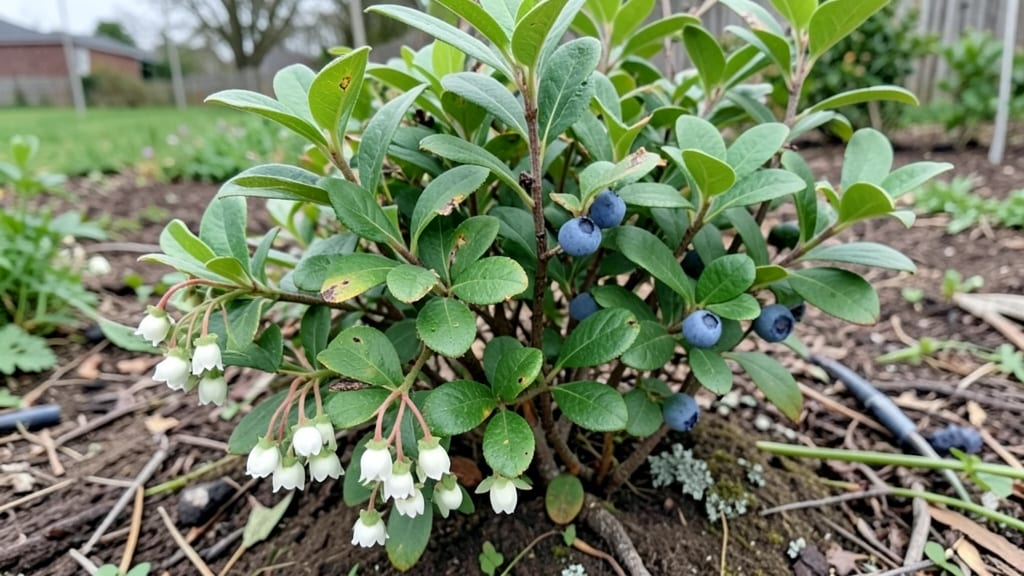
These blueberry plant diseases images show just how quickly fungal blights and pests can turn your lush bushes into spotted messes—unless you catch them early. 🌿 I’ve seen my own blueberry patches go from thriving to limp thanks to fungal blights, and the key to saving them is knowing what to look for.
This guide shows you exactly what those diseases look like on leaves, stems, and fruit so you can act fast.
The most common culprits—like mummy berry, botrytis blight, and powdery mildew—each leave their own telltale marks. Mummy berry turns fruit into shriveled, blackened husks, while powdery mildew coats leaves in a white, flour-like dust.
Understanding these signs means you can stop the spread before your bushes suffer. Prevention starts with proper spacing, watering at the base, and removing infected debris.
Once you spot the problem, treatments like copper fungicides or neem oil can turn things around. I’ve pulled back bushes from the brink with a few targeted sprays and better air circulation.
The goal isn’t just to treat—it’s to create an environment where diseases can’t take hold in the first place. Your blueberries will thank you with bigger, sweeter harvests.
This isn’t just about fixing what’s broken—it’s about building resilience so your bushes stay strong year after year. Whether you’re dealing with a single leaf or a full-blown outbreak, the steps here will help you protect your investment. Let’s get those blueberries thriving again.
Root Causes Of Blueberry Ailments
Blueberry bushes may seem resilient, but they’re not immune to disease—especially when environmental and biological factors align. Understanding the why behind common blueberry plant diseases helps you take proactive steps to prevent outbreaks. Below, we break down the key culprits and their scientific triggers.
Fungal diseases like botrytis blight and mummy berry are the most destructive to blueberries.
These pathogens spread rapidly when: - Humidity stays above 75% for prolonged periods (fungi love moisture). - Temperatures hover between 60–80°F (15–27°C)—ideal for spore germination. - Poor air circulation traps dampness near leaves and fruit, creating a fungal buffet.
Why it happens: Fungal spores (like Botrytis cinerea or Monilinia fructicola) lie dormant in soil, plant debris, or even on last year’s mummified berries. When conditions become moist and warm, they activate, grow, and infect through wounds, stomata (leaf pores), or even healthy tissue.
Pro Tip: 🌡️ Monitor your microclimate—use a hygrometer to track humidity and prune for airflow to disrupt fungal feasts.
Blueberries planted too closely together (or with excessive mulch) trap stagnant air and moisture, creating the perfect breeding ground for diseases like powdery mildew and stem blight.
Here’s how it plays out: - Reduced sunlight weakens plants, making them more susceptible to stress-related infections. - Damp mulch or thick ground cover provides a damp, shaded environment where fungal spores thrive. - Splashing water from irrigation or rain carries spores from infected leaves to healthy ones.
Why it happens: Fungi and bacteria rely on physical contact or water droplets to spread. When bushes are crammed together, spores have a direct highway to new hosts.
Pro Tip: ✨ Space plants 4–6 feet apart and avoid mulching too heavily—opt for straw or pine needles (which allow airflow) instead of thick organic layers.
Blueberries are acid-loving (pH 4.5–5.5) and need well-draining, nutrient-rich soil to fight off pathogens. When soil conditions degrade, diseases like root rot and leaf spot move in.
Here’s how: - Compacted or waterlogged soil cuts off oxygen to roots, inviting Phytophthora (a water mold) to feast. - Nutrient deficiencies (especially magnesium or potassium) weaken cell walls, making plants easier targets. - Excess nitrogen (from over-fertilizing) promotes lush, soft growth—a buffet for fungal invaders.
Why it happens: Healthy plants have stronger cuticles and immune responses. When soil is imbalanced, their defenses crumble, and opportunistic pathogens strike.
Pro Tip: 💡 Test your soil annually and amend with peat moss, sulfur, or compost to maintain the right pH and drainage.
Insects like blueberry maggots, aphids, and Japanese beetles don’t just eat leaves—they create entry points for fungal and bacterial infections.
Here’s the chain reaction: - Feeding wounds (from chewing or sucking pests) expose plant tissues to spores. - Honeydew (sweet excretions from aphids) attracts sooty mold, which blocks sunlight and stresses the plant. - Grubs or larvae burrowing in roots disrupt moisture uptake, making plants more prone to root rot.
Why it happens: Nature’s rule—damage = opportunity. Pests don’t cause diseases directly, but their activity lowers resistance, letting pathogens move in.
Pro Tip: 🔥 Scout regularly for pests—use neem oil, insecticidal soap, or beneficial nematodes to keep populations in check before they weaken your bushes.
Blueberry diseases don’t just appear—they hitchhike on environmental forces.
Here’s how: - Heavy rain splashes spores from infected leaves onto healthy ones, causing leaf spot or fruit rot. - Wind carries lightweight spores (like those from powdery mildew) across gardens, infecting new plants. - Late-season rains (when berries are ripening) increase botrytis blight risk by keeping fruit damp.
Why it happens: Fungal spores are tiny but mighty—some can travel miles on wind currents. Once they land on a susceptible plant, they germinate within hours under the right conditions.
Pro Tip: ⏰ Time your irrigation—water in the early morning so foliage dries by evening, reducing moisture-related outbreaks.
Many blueberry diseases overwinter in old plant debris, mummified berries, or infected prunings.
If you don’t clean up: - Mummy berry fungus (Monilinia) survives in fallen, dried berries and reinfects next season. - Botrytis spores cling to dead leaves or canes, ready to pounce when conditions warm up. - Soilborne pathogens (like Phytophthora) lurk in old mulch or compost, waiting for the next planting.
Why it happens: Fungi are patient survivors. Without removal, they reinfect year after year, building up resistance to treatments.
Pro Tip: 🧹 Clean up thoroughly—remove all debris in fall, sterilize pruners with rubbing alcohol, and avoid composting infected plant material.
Quick Fixes for Blueberry Plant Ailments
Blueberry bushes can fall prey to a variety of diseases, but the good news is that most issues can be managed—or even prevented—with the right approach. Below, we’ve mapped out practical solutions for common fungal blights, bacterial infections, and environmental stressors, along with prevention tips to keep your bushes thriving.
Think of this as your blueberry plant’s first-aid kit!
Fungal infections like botrytis blight, powdery mildew, and root rot thrive in damp, crowded conditions. Here’s how to tackle them:
🔥 Remove Infected Plant Parts
- Prune away any leaves, stems, or berries showing signs of mold (gray fuzzy patches, black spots, or powdery white residue).
- Dispose of debris in the trash (not your compost)—fungi can survive and reinfect.
- Sterilize pruners with rubbing alcohol or a 10% bleach solution between cuts to prevent spreading spores.
🌡️ Improve Airflow & Drainage
Fungi love humidity, so break up compacted soil around the base of the plant and space bushes 4–6 feet apart for better airflow.
- Mulch properly: Use straw or pine needles (avoid thick wood chips, which trap moisture).
- Water at the base (not overhead) and early in the day so foliage dries quickly.
💡 Fungicide Treatments
- Preventative spray: Apply copper fungicide or neem oil every 7–10 days during wet seasons.
- Cure for root rot: If roots are mushy and black, dig up the plant, trim affected roots, and repot in fresh, well-draining soil with perlite or sand.
- Baking soda spray (for powdery mildew): Mix 1 tsp baking soda + 1 tsp oil + 1 tsp soap per gallon of water, spray undersides of leaves.
Bacterial infections (like bacterial leaf spot) and viral diseases (e.g., blueberry shock) are trickier but not hopeless.
🔪 Sterilize & Isolate
- Remove infected plants immediately—bacterial diseases often have no cure and spread rapidly.
- Wash tools with bleach between uses to avoid cross-contamination.
- Avoid overhead watering—splashing spreads bacteria.
🌱 Boost Plant Immunity
- Fertilize with compost (rich in beneficial microbes) to strengthen roots.
- Use a balanced fertilizer (10-10-10) in early spring to support recovery.
- Avoid nitrogen-heavy fertilizers, which weaken plant defenses.
Sometimes, the "disease" is just your plant screaming for better conditions!
☀️ Shield from Harsh Sun
- Provide afternoon shade (especially in hot climates) with lightweight shade cloth (30–50%).
- Mulch heavily to keep roots cool—3–4 inches of organic mulch works best.
🍽️ Fix Nutrient Imbalances
| Symptom | Likely Cause | Solution |
|---|---|---|
| Yellow leaves | Nitrogen deficiency | Apply alfalfa meal or blood meal |
| Purple stems/leaves | Phosphorus deficiency | Work in bone meal at planting |
| Weak, leggy growth | Potassium deficiency | Use wood ash or kelp meal |
| Small, pale berries | Calcium/magnesium issue | Sprinkle crushed eggshells or Epsom salt (1 tbsp/gallon) |
The best cure? Stop them before they start!
- Plant disease-resistant varieties (e.g., ‘Duke,’ ‘Bluecrop,’ or ‘Jersey’).
- Rotate crops—don’t plant blueberries in the same spot yearly (wait 3–4 years).
- Test soil pH (blueberries need 4.5–5.5) and amend with sulfur or peat moss if needed.
- Encourage beneficial insects (ladybugs, lacewings) by planting marigolds or dill nearby.
- Early spring: Prune for airflow, apply fungicide as a preventative.
- During rainy seasons: Increase monitoring and adjust watering.
- Fall cleanup: Remove all plant debris and sterilize tools before winter.
With these steps, your blueberry bushes will bounce back—and stay healthy for years to come! 🌿💙
Frequently asked questions
How do I tell if my blueberry leaves have powdery mildew vs. another disease?
Powdery mildew appears as a white, flour-like coating on the upper and lower leaf surfaces, often starting on younger leaves. Unlike rust (which causes orange-brown spots) or leaf spot (which creates dark, water-soaked marks), mildew doesn’t discolor leaves—it just blankets them. Check for fuzzy growth on stems or buds too, as this confirms the mildew diagnosis.
Can I still harvest berries from a plant with fungal diseases?
Only if the fruit shows no visible signs of infection. Discard berries with gray mold (botrytis), black spots (mummy berry), or any unusual texture. Fungal spores can linger on infected fruit, so avoid eating berries from heavily diseased bushes. When in doubt, toss the whole batch—your health isn’t worth the risk!
What’s the fastest way to stop mummy berry from spreading?
Remove all infected berries and debris immediately, then apply a copper fungicide spray (like Bordeaux mixture) every 10–14 days during bloom. Prune for airflow and avoid overhead watering. Mummy berry overwinters in mummified fruit, so thorough cleanup in fall is your best defense.
Will neem oil work on blueberry diseases like powdery mildew?
Yes! Neem oil is excellent for powdery mildew and early-stage fungal infections. Mix 1–2 tbsp neem oil + 1 tsp mild soap per gallon of water and spray leaves thoroughly (including undersides). Reapply every 7–10 days during humid weather. It won’t cure severe infections but prevents spores from germinating.
How do I prevent blueberry diseases when buying new plants?
Inspect plants for yellowing leaves, spots, or mold before purchasing. Buy from reputable nurseries that sell certified disease-free stock. After planting, quarantine new bushes for 2–3 weeks away from your main garden to monitor for symptoms. Sterilize pots and tools with rubbing alcohol to avoid introducing pathogens.