Diseases
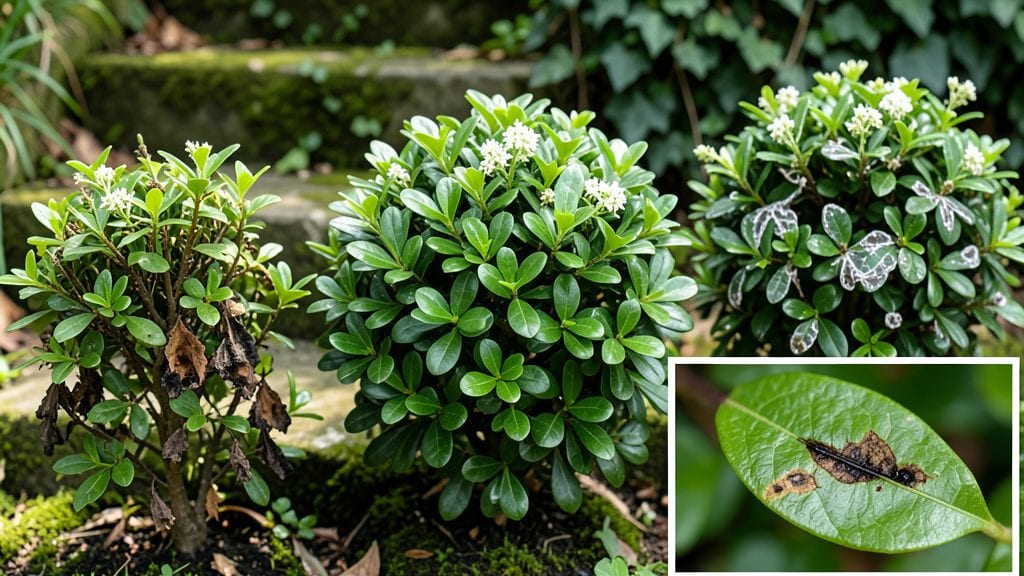
Boxwood plant diseases can turn your neatly trimmed hedges into a sad, brown mess faster than you think. 🌿 I’ve seen perfectly shaped boxwoods go from picture-perfect to pathetic in just a few weeks—usually because the first signs were ignored.
The good news? Most of these problems have clear fixes once you know what to look for.
Fungal infections like box blight and leaf spot thrive in damp, shady conditions, while bacterial issues often show up as oozing stems or blackened leaves. The key to stopping them is acting fast—pruning infected branches, improving airflow, and treating with the right fungicide or bacterial spray.
I’ve learned the hard way that waiting means losing entire plants.
With the right approach, you can save your boxwoods and keep them lush and green. We’ll cover the 12 most common diseases, their telltale symptoms, and the organic or chemical treatments that actually work. By the end, you’ll spot trouble early and stop it before it spreads.
Whether you’re dealing with a single plant or a whole hedge, these strategies will help you keep your boxwoods thriving year after year. The secret? Vigilance and quick action—no guesswork needed.
Root Causes Behind Boxwood Ailments
Boxwoods are hardy, elegant shrubs—but like any plant, they’re not immune to trouble. Understanding why diseases strike helps you prevent them before they take hold. Below, we break down the science behind the most common triggers, from invisible pathogens to environmental missteps.
Fungal diseases like Volutella blight and box blight thrive when spores find the perfect conditions to germinate. Here’s how it happens:
- Damp, Stagnant Air: Fungi love humidity. When boxwoods sit in shaded, poorly ventilated areas, spores linger in the air, waiting to land on leaves or stems. Example: A dense hedge with no airflow becomes a fungal buffet.
- Wet Foliage: Overhead watering (especially in the evening) keeps leaves damp for hours—ideal for spores to germinate. Fun fact: Some fungi can infect within 6–12 hours of prolonged moisture.
- Stress from Poor Drainage: Waterlogged soil weakens roots, making plants more susceptible. Fungi like Phytophthora exploit this by entering through root wounds.
💡 Pro Tip: Space plants 3–4 feet apart for airflow, and water at the base (not the canopy) to keep foliage dry.
Bacterial diseases (e.g., boxwood blight caused by Xylophilus ampelinus) spread via contaminated tools, splashing water, or infected plant debris. Here’s the breakdown:
- Contaminated Pruners: A single snip with a dirty blade can transfer bacteria from one plant to another. Example: Pruning a diseased boxwood, then using the same shears on a healthy one = instant spread.
- Rain or Overwatering: Bacteria hitch rides on water droplets, entering through leaf wounds or natural openings (like stomata). Stat: X. ampelinus can multiply 10x faster in wet conditions.
- Weakened Plants: Stress from drought, nutrient deficiency, or transplant shock makes boxwoods easy targets for bacterial colonization.
🔪 Prevention: Sterilize pruners with 70% rubbing alcohol or a 10% bleach solution between cuts. Avoid overhead irrigation during outbreaks.
Boxwoods don’t just fall ill from pathogens—they’re often primed for infection by their surroundings. Key culprits:
| Stressor | How It Works | Fix It |
|---|---|---|
| Compacted Soil | Restricts root growth, reducing nutrient/water uptake. Weak roots = easier fungal entry. | Amend soil with compost or perlite; aerate annually. |
| Extreme pH (Too Acidic/Alkaline) | Disrupts nutrient absorption, making plants defenseless against pathogens. | Test soil pH; aim for 6.0–7.0. Add lime (for acidity) or sulfur (for alkalinity). |
| Pest Damage (e.g., Boxwood Mite) | Pests create wounds where bacteria/fungi enter. Example: Mites suck sap, weakening leaves and inviting Volutella. | Spray with neem oil or introduce beneficial mites. |
✨ Key Insight: Healthy boxwoods resist 80% of diseases. Focus on soil health and proper spacing first.
Now that you know why these diseases strike, the next step is spotting the signs early—before they spread. Stay tuned!
Fixing Boxwood Foes Fast
Boxwoods are tough, but even the hardiest shrubs need a little help when diseases strike. The good news? Most issues are treatable with the right approach. Below, we’ve mapped out practical fixes for each common boxwood ailment, plus prevention tips to keep your plants thriving.
Let’s roll up our sleeves and get to work! 🌱🛠️
**🔥 Cause: Overhead watering, poor air circulation, or wet foliage. 👨🍳 Fix It: 1. Prune aggressively – Remove and dispose of infected leaves** (do not compost).
Cut back to healthy growth, sterilizing pruners with rubbing alcohol between cuts. ⏰ Best time: Early morning or late afternoon to avoid stressing the plant. 2. Apply fungicide – Use a copper-based fungicide or neem oil spray (follow label rates). Reapply every 7–14 days until new growth appears.
- Improve airflow – Thin out dense foliage or space plants 3–4 feet apart to reduce humidity pockets.
**💡 Prevention Pro Tips:
- Water at the base (not overhead) with a drip irrigation system or soaker hose.
- Avoid mulching too close to the stem (keep 2–3 inches away).
- Plant in full sun (6+ hours/day) to dry leaves faster.
🔥 Cause: Contaminated soil, poor drainage, or splashing water. 👨🍳 Fix It:
- Remove infected plants – Dig up and destroy severely affected boxwoods (do not leave in the yard). Burn or bag them for disposal.
- Sterilize the soil – Mix 1 part hydrogen peroxide (3%) to 10 parts water and pour over the root zone. Alternatively, apply fungicidal soil drench (e.g., Propiconazole).
- Replace or rotate crops – If blight persists, remove all boxwoods from that spot for at least 2 years or plant non-host species (e.g., holly, abelia).
💡 Prevention Pro Tips:
- Test soil drainage – Amend clay soil with sand or compost to improve aeration.
- Disinfect tools – Use bleach (1:10 ratio) or 70% isopropyl alcohol after pruning.
- Avoid overhead watering – Switch to drip systems or hand-watering at the base.
🔥 Cause: High humidity, wet foliage, or crowded planting. 👨🍳 Fix It:
- Prune infected leaves – Cut off dark, spotted leaves and dispose of them in the trash (not compost).
- Spray with fungicide – Use chlorothalonil or myclobutanil every 10–14 days during wet seasons.
- Thin the canopy – Open up the center of the boxwood to increase airflow (aim for 30–50% reduction in density).
💡 Prevention Pro Tips:
- Water early – Irrigate before 10 AM so leaves dry by evening.
- Space plants properly – Keep boxwoods 3–5 feet apart to reduce humidity.
- Mulch lightly – Use 2–3 inches of organic mulch (e.g., pine straw) but keep it away from the stem.
🔥 Cause: Larvae burrow into leaves, weakening the plant and inviting fungal infections. 👨🍳 Fix It:
- Handpick larvae – Wear gloves and remove visible white maggots from leaves (drop them in soapy water).
- Spray with insecticidal soap – Apply every 5–7 days until no more larvae appear. For severe cases, use Bacillus thuringiensis (Bt).
- Encourage predators – Attract ladybugs and lacewings with neem oil sprays or companion planting (e.g., marigolds).
💡 Prevention Pro Tips:
- Inspect leaves weekly – Check the undersides for tiny white larvae.
- Avoid over-fertilizing – Too much nitrogen makes boxwoods softer targets for pests.
- Use row covers – If mining is recurrent, cover young plants with fine mesh netting.
🔥 Cause: Waterlogged soil, poor drainage, or compacted roots. 👨🍳 Fix It:
- Improve drainage – Dig a 6-inch-deep trench around the plant and fill it with gravel or coarse sand.
- Reduce watering – Let the top 2 inches of soil dry out between waterings. Switch to drip irrigation if using overhead sprinklers.
- Fungicidal treatment – Apply fosetyl-aluminum (e.g., Aliette) to the soil as directed.
💡 Prevention Pro Tips:
- Plant on mounds – Elevate boxwoods in raised beds if your soil is naturally soggy.
- Avoid heavy clay soil – Amend with compost or perlite for better aeration.
- Test soil pH – Keep it slightly acidic (6.0–6.5) to discourage fungal growth.
🔥 Cause: Contaminated pruners, splashing water, or high humidity. 👨🍳 Fix It:
- Prune and dispose – Cut off spotted leaves and sterilize tools with bleach or alcohol.
- No fungicide works – Since it’s bacterial, prevention is key. Focus on cultural controls:
- Space plants to improve airflow.
- Replace severely infected plants – If >30% of leaves are damaged, remove and destroy the shrub to prevent spread.
💡 Prevention Pro Tips:
- Rotate crops – Avoid planting boxwoods in the same spot for 3+ years.
- Use copper spray preventatively – Apply copper fungicide at the first sign of rain to create a protective barrier.
- Avoid wounding plants – Handle boxwoods gently during pruning to prevent bacterial entry points.
🎯 Final Tip: Monitor weekly – Check boxwoods every 7–10 days for new signs of stress. Early action is the best defense! If in doubt, send a photo to a local extension office** for a quick diagnosis.
Now grab your pruners, fungicide, and a deep breath—your boxwoods are about to bounce back! 🌿💪
Frequently asked questions
What are the first signs of boxwood blight?
Watch for small, water-soaked brown spots with yellow halos on leaves—these darken into dead patches. Look for black streaks on stems and tiny black fungal fruiting bodies (like pepper) on infected areas. These appear within 2-4 weeks of infection, often after rainy weather.
Can I save a boxwood with root rot?
Early cases may recover with improved drainage and fungicide like fosetyl-aluminum, but severe root rot is often fatal. Dig up the plant to check for black, mushy roots—if half the root system is rotted, replacement is the only option. Prevent recurrence by amending soil with perlite and avoiding overwatering.
How do I know if my boxwood's problem is fungal or bacterial?
Fungal issues show dark spots with fuzzy growth (like mold) and thrive in damp conditions, while bacterial problems create oozing lesions that smell foul. Fungal infections respond to fungicides, but bacterial diseases require removal of infected plants—there's no chemical cure. Test soil moisture to help diagnose.
Is it safe to compost boxwood leaves with fungal spots?
Never compost infected foliage—it spreads spores and reinfects your garden. Bag diseased leaves in plastic and throw them in the trash. For severely infected plants, burn them or take them to a landfill. This single step prevents 90% of garden-to-garden disease spread.
When is the best time to prune boxwoods to prevent disease?
Prune in late winter or early spring (before new growth) when fungal spores are dormant. Avoid pruning during wet weather—wait for dry, mild days. Always sterilize tools with 70% rubbing alcohol between cuts to prevent bacterial transmission.