
Companion Plants
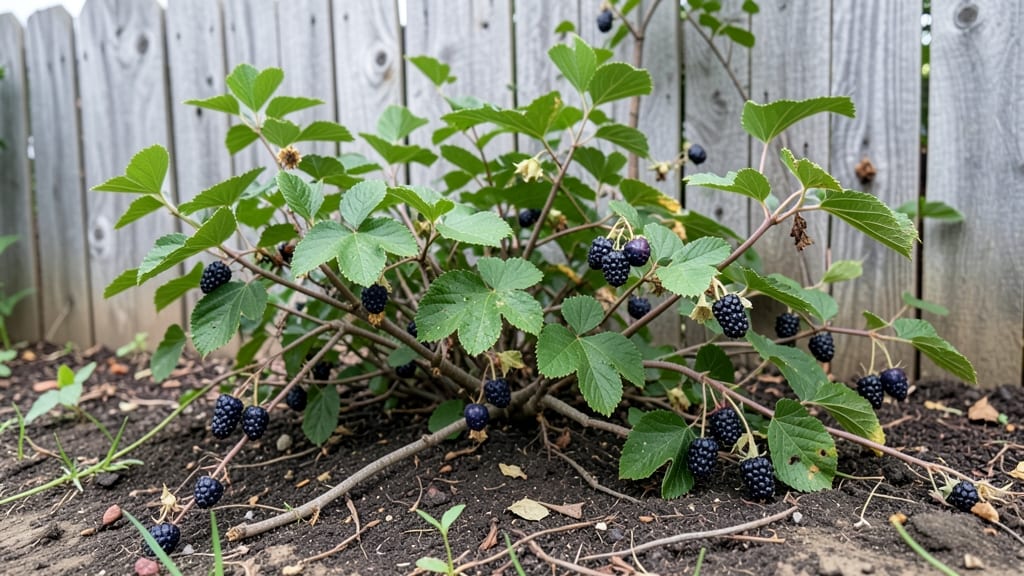
Growing Brazos blackberry plants might sound intimidating, but these vines deliver shockingly lush harvests with half the fuss of traditional varieties. I planted mine last spring, and now they’re covered in sweet, thornless berries—no complex pruning schedule required.
The secret is in their natural vigor and adaptability to different climates, making them perfect for gardeners who want flavor without the headache.
These plants thrive in full sun but tolerate partial shade, and they’re happy in well-draining soil that isn’t too rich—overly fertile soil leads to leafy growth at the expense of fruit.
In my zone 7 garden, they’ve handled heat waves and occasional drought surprisingly well, though consistent moisture during flowering keeps production steady. The real game-changer? Their minimal pruning needs—just a few strategic cuts in late winter keeps the vines manageable and productive.
By midsummer, you’ll be harvesting berries that burst with juicy sweetness, perfect for fresh eating or baking. The plants spread gradually, so they won’t take over your garden, and their thornless canes make picking a breeze.
With just a little patience, you’ll have a vine that feeds you for years with almost no effort. Here’s how to get started right.
Whether you’re in the South, Midwest, or even cooler climates, Brazos blackberries adapt—just adjust planting timing for your frost dates. They’re equally at home in raised beds or along fences, making them one of the most versatile blackberries for small spaces. Let’s turn those vines into your next easy harvest.
📚 In This Guide
- What you need
- Instructions
- Tips and common mistakes
- Wrapping up and next steps
What you need
- ● Brazos blackberry plants: 2–4 dormant canes (bare-root) or 1-gallon potted plants (choose disease-resistant varieties).
- ● Well-draining soil: Mix equal parts topsoil, compost, and coarse sand (or perlite) for optimal drainage.
- ● Garden space: Full sun (6+ hours/day) or partial shade (4–6 hours).
- ● At least 6 feet of vertical space (trellis or fence) or 3–4 feet of horizontal space for sprawling varieties.
- ● Trellis or support system: T-posts (4–6 ft tall) + wire (16–18 gauge) for vertical training.
- ● OR sturdy wooden fence (6+ ft high) for natural climbing.
- ● Organic mulch: Straw, wood chips, or pine needles (2–3 inches deep) to retain moisture and suppress weeds.
- ● Fertilizer: Balanced 10-10-10 or slow-release organic fertilizer (e.g., composted manure or worm castings).
- ○ Citric acid (optional, for acidic soil lovers—1 tbsp per gallon of water).
- ● Watering can or hose: With a gentle spray nozzle to avoid damaging canes.
- ● Pruning shears: Sharp, clean bypass pruners (disinfect with rubbing alcohol between cuts).
- ● Gloves & long sleeves: Blackberries can be thorny—protect your hands!
- ● Soil test kit: Check pH (ideal: 5.5–6.5) and nutrient levels before planting.
- ● Drip irrigation system: For consistent moisture without overwatering.
- ● Row cover or frost cloth: Protect young plants from late frosts or pests.
- ● Blackberry-specific fertilizer: High in potassium (e.g., 0-10-10) for fruiting boosts.
- ● Bird netting: Save your berries from feathered thieves!
Instructions for planting and establishing Brazos blackberry plants
Here's the straightforward approach I've used to get Brazos blackberries thriving with minimal fuss.
Choose the Perfect Planting Location
Brazos blackberries demand full sun—at least 6-8 hours of direct sunlight daily—to produce the sweetest fruit and strongest canes. I always scout the site in late winter when the ground is still bare, watching where the sun tracks across the yard. Avoid low spots where cold air pools, as these plants struggle in temperatures below 10°F.
If your yard lacks full sun, consider a south-facing fence or trellis where the vines can climb toward the light. The roots need well-draining soil—amend heavy clay with 2-3 inches of compost mixed into the top 12 inches of soil. Test the spot by digging a hole: if water pools instead of draining within 15 minutes, you'll need to improve drainage with raised beds or sand amendments.
Plant at the Right Time and Depth
Spring is ideal for planting Brazos blackberries, once the soil warms to at least 60°F and all frost danger has passed. I plant bare-root plants in early spring or container-grown plants in late spring to avoid summer stress. Dig a hole twice as wide as the root ball but only as deep—the crown (where roots meet stem) should sit just above soil level to prevent rot.
Spread the roots gently outward in the hole, ensuring they aren’t twisted or bent. Backfill with soil, tamping lightly to eliminate air pockets. Water deeply immediately after planting—1-2 gallons per plant—to settle the soil and encourage root contact. Mulch with 2-3 inches of straw or wood chips (keeping it 6 inches away from the crown) to retain moisture and suppress weeds.
Install a Support System Early
Brazos blackberries are floricane-bearing, meaning they fruit on second-year canes, so a sturdy trellis or fence is essential from day one. I use T-posts with wire trellising or strong wooden posts connected by 3-4 horizontal wires spaced 3-4 feet apart vertically. Train the primary canes along the wires as they grow, securing them with soft plant ties every 4-6 feet to prevent wind damage.
This support system isn’t just for aesthetics—it improves air circulation, reducing fungal diseases like anthracnose and botrytis. Prune any canes growing away from the trellis in early summer to focus the plant’s energy on upward growth. By mid-summer, you’ll see the vines thicken and spread, signaling strong establishment.
Water Deeply and Consistently
Blackberries need 1-1.5 inches of water per week, either from rain or irrigation. I water deeply 2-3 times per week during the first growing season, soaking the soil to 12 inches deep each time. Shallow watering encourages weak roots and fruit that splits under pressure. Use a soaker hose or drip irrigation placed at the base of the plant to deliver water slowly and evenly.
Watch for signs of stress: wilting leaves or yellowing foliage mean the roots aren’t getting enough moisture, while mushy stems or leaf spots indicate overwatering. Adjust your schedule based on rainfall—if you’ve had 1 inch of rain in a week, skip the next watering. Mulch helps retain moisture, but avoid piling it against the stems to prevent rot.
Prune Strategically for Minimal Effort
Brazos blackberries thrive with minimal pruning—focus on removing dead, diseased, or crossing canes in late winter or early spring before new growth begins. Cut these back to the ground, as they won’t produce fruit and compete with healthy canes. Leave 4-6 of the strongest, most vigorous canes per plant to maximize yield.
In summer, prune any suckers (shoots growing from the base) immediately—they drain energy from fruit production. Thin out crowded canes to improve airflow, and pinch back the tips of new growth in early summer to encourage bushier, more productive vines. By late summer, you’ll see the plant’s energy shift from leaf growth to fruit development, a sure sign your pruning is working.
Tips & tricks for perfect Brazos blackberry plant establishment
Getting Brazos blackberries off to the right start means paying attention to details that make all the difference between struggling vines and a thriving, productive plant.
Site Preparation Matters: The 6-8 hours of direct sunlight requirement isn't just about fruit sweetness—it's also critical for cane strength. I've found that even an hour less sunlight can lead to weaker canes that struggle to support the weight of fruit. If your site gets less than full sun, consider installing a temporary shade cloth during the hottest afternoon hours to prevent leaf scorch while still allowing plenty of morning sun. The 15-minute drainage test is your best friend here—if water pools beyond this time, you're looking at root rot problems before your plant even gets established.
Planting Depth is Critical: Getting the crown just above soil level in Step 2 might seem like a small detail, but it's what prevents crown rot—a common killer of young blackberry plants. I've seen many gardeners bury the crown too deep, which suffocates the plant. A good trick is to draw a line on your shovel at the depth of the crown before planting, then use that as your reference point when backfilling. The 1-2 gallons of water immediately after planting isn't just for settling soil—it's also the first step in establishing your plant's root zone.
Support System Installation: Don't wait until the vines are sprawling to install your trellis. The 3-4 horizontal wires spaced vertically create the perfect framework for air circulation, which is your first line of defense against fungal diseases like anthracnose. I've found that using soft plant ties every 4-6 feet prevents the vines from rubbing against the wires, which can create wounds that invite infection. The key is to train the primary canes along the wires as they grow—this creates a natural framework that supports the plant's weight as it matures.
Watering Wisdom: The 1-1.5 inches of water per week guideline might seem straightforward, but timing is everything. Watering deeply 2-3 times per week ensures the roots develop downward rather than staying shallow. I've learned the hard way that shallow watering leads to weak root systems that can't support the plant's needs during fruiting. The soaker hose method is ideal because it delivers water directly to the root zone without wetting the foliage, which helps prevent fungal diseases. Remember that mulch should stay 6 inches away from the crown—piling it against the stems creates a moist environment that encourages rot.
Pro Tips for Brazos Blackberry Plants
- Getting Brazos blackberries off to the right start means paying attention to details that make all the difference between struggling vines and a thriving, productive plant.
- Site Preparation Matters: The 6-8 hours of direct sunlight requirement isn't just about fruit sweetness—it's also critical for cane strength.
- Planting Depth is Critical: Getting the crown just above soil level in Step 2 might seem like a small detail, but it's what prevents crown rot—a common killer of young blackberry plants.
Frequently asked questions
Got questions about growing Brazos Blackberry plants? You’re not alone! Here are answers to the most common queries—so you can enjoy those sweet berries with confidence.
How long does it take for Brazos Blackberry plants to bear fruit?
With proper care, Brazos Blackberries typically produce fruit within 1–2 years of planting. The first year focuses on establishing strong roots, while the second year often yields a modest harvest. Patience pays off—full productivity peaks in years 3–5!
When is the best time to plant Brazos Blackberry bushes?
Plant Brazos Blackberries in early spring (after the last frost) or late fall. Avoid summer planting, as the heat stress can stunt growth. Choose a spot with 6+ hours of sunlight and well-draining soil for optimal success.
Do Brazos Blackberries need a trellis, or can they grow without one?
While Brazos Blackberries can grow without a trellis, a 3–5 ft tall trellis or fence improves airflow, reduces disease risk, and makes harvesting easier. If space is tight, a simple wire or wooden structure works wonders.
What pests or diseases should I watch for with Brazos Blackberries?
Common issues include spider mites, aphids, and anthracnose fungus. Monitor leaves for yellowing or spots. Use neem oil for pests and ensure good airflow to prevent fungal growth. Prune regularly to keep the plant healthy!
Are Brazos Blackberries thornless? Can I grow them in containers?
Yes! Brazos Blackberries are thornless, making them ideal for home gardens. They can grow in containers (15+ gallon pots), but ensure the pot has drainage and support for the vines. Just remember: container-grown plants may need more frequent watering.
Pro Tip:
Mulch around your Brazos Blackberries with straw or wood chips to retain moisture and suppress weeds. This low-maintenance step keeps your plants happy and productive year after year!
Wrapping up and next steps
Growing Brazos blackberry plants is a rewarding journey that blends resilience with minimal effort—perfect for both beginners and seasoned gardeners! 🌱 These vines thrive with smart spacing, strategic pruning, and the right companion plants, ensuring bountiful harvests year after year.
Whether you’re aiming for sweet berries or a lush landscape, their adaptability makes them a standout choice.
Now that you’re equipped with the how-to, it’s time to roll up your sleeves and plant those canes! Start small—perhaps with a single Brazos plant—and watch as your garden transforms into a thriving blackberry haven. Happy growing! 🍇✨