
Companion Plants
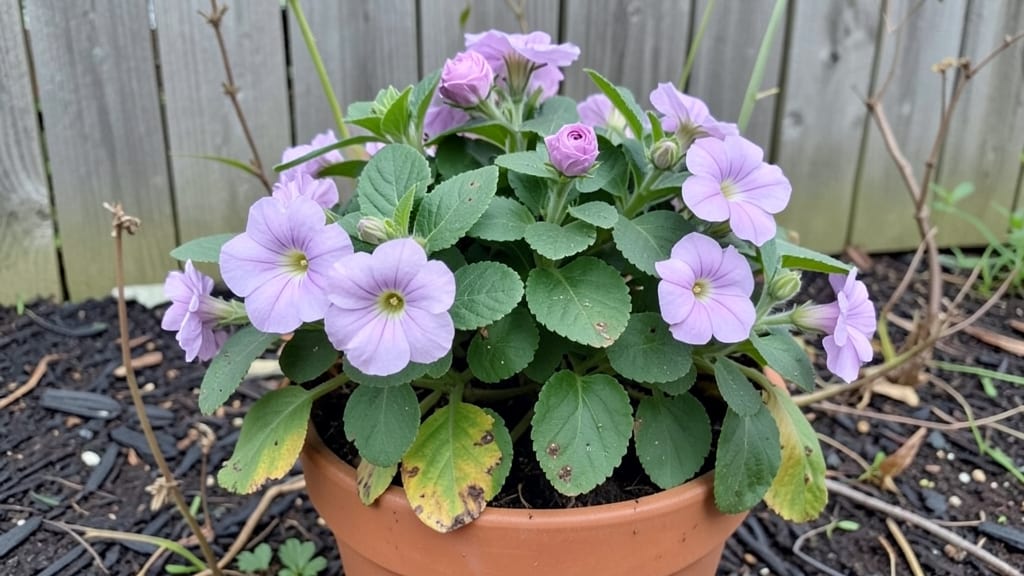
Sunpatiens plants care starts with the right balance of sun and water—these tough little plants thrive where regular impatiens would melt. 🌿 I’ve grown them in full sun for years, and they’ve never once wilted like their shade-loving cousins.
The secret lies in their heat tolerance and drought resistance, but even they need consistent moisture and occasional trimming to stay lush.
You’ll need well-draining soil mixed with compost, a container with drainage holes (or a sunny garden bed), and a gentle hand with pruners. These plants love warmth but hate soggy roots, so aim for watering when the top inch feels dry.
A balanced fertilizer every 4-6 weeks keeps them blooming nonstop, and pinching back leggy stems encourages bushier growth—no heavy pruning required.
By summer’s end, you’ll have vibrant, compact plants bursting with flowers, their glossy leaves staying crisp even in heatwaves. The key is watching for powdery mildew (a sign of too much shade) and aphids (just hose them off).
With minimal effort, these sun lovers become the workhorse of your garden or patio.
Pair them with trailing lantana or marigolds for a low-maintenance combo that repels pests naturally. Whether in pots or beds, Sunpatiens prove you don’t need perfect conditions—just the right care. Let’s get those blooms going!
📚 In This Guide
- What you need
- Instructions
- Tips and common mistakes
- Wrapping up and next steps
What you need
- ● Sunpatiens plants: 3–6 plants (depending on desired coverage—spaced 10–12 inches apart for full blooms). Choose Impatiens walleriana varieties like ‘Super Elfin’ or ‘Accent’ for sun tolerance.
- ● Well-draining potting mix: 1–2 bags (1–2 cubic feet each) of a lightweight, peat-based mix (e.g., Miracle-Gro Potting Mix). Avoid heavy garden soil—sunpatiens hate soggy roots!
- ● Containers or garden bed: Containers: 5–10-inch diameter pots (one per plant) with drainage holes. Opt for fabric grow bags or terracotta for breathability.
- ● Garden beds: A partial-shade spot (4–6 hours of morning sun max) with loamy, fertile soil amended with compost.
- ● Slow-release fertilizer: 1–2 tablespoons of 10-10-10 or 20-20-20 NPK blend per plant (mixed into soil at planting). Osmocote or Fish Emulsion are great choices.
- ● Mulch: 1–2 inches of organic mulch (e.g., shredded bark or straw) to retain moisture and deter weeds.
- ● Gloves: A pair of gardening gloves (nitrile-coated for durability).
- ● Trowel or hand shovel: For planting and soil amendments.
- ● Watering can or hose with a gentle spray nozzle: Sunpatiens hate dry soil—keep it consistently moist but not waterlogged.
- ● Pruning shears: Bypass pruners (sterilized with rubbing alcohol) for trimming leggy stems.
- ○ pH testing kit (optional): Aim for a soil pH of 6.0–7.0—sunpatiens thrive in slightly acidic to neutral conditions.
- ● Location: A spot with bright, indirect light (e.g., under a patio umbrella or near a north-facing window). Direct afternoon sun will scorch leaves!
- ● Humidity: Aim for 50–70% humidity. Use a pebble tray or humidifier in dry climates.
- ● Temperature: Keep plants in 60–75°F ranges. Avoid drafts or sudden temperature swings.
- ● Patience: Sunpatiens grow fast but may take 4–6 weeks to fully bloom after planting.
Step-by-step guide to sunpatiens care for lush, low-maintenance growth
Sunpatiens thrive when you focus on three key things: light, water, and occasional pruning. Here’s how to keep them blooming effortlessly.
💧 Step 1: Water Deeply and Consistently
Sunpatiens love moisture but hate soggy roots. Water when the top 1-2 inches of soil feel dry—stick your finger in to check. Aim for 1 inch of water per week, adjusting for rain or heat. In summer, you might water every 2-3 days.
Water at the base to avoid wetting leaves, which can cause fungal issues. I always water in the morning so foliage dries quickly. Overhead watering in the evening is a recipe for mildew.
☀️ Step 2: Provide Bright, Indirect Light
Sunpatiens tolerate more sun than regular impatiens, but they still prefer morning sun and afternoon shade. Place them where they get 4-6 hours of bright, indirect light daily. Too much direct afternoon sun will scorch their leaves.
If your plants start looking pale or leggy, they need more light. A sheer curtain can filter harsh rays while still letting them thrive. Rotate pots weekly so all sides get even exposure.
✂️ Step 3: Prune for Bushier Growth and Longer Blooms
Pinch back leggy stems to encourage branching. Use clean scissors to snip just above a leaf node where new growth will emerge. I do this every 4-6 weeks during the growing season to keep plants compact and full.
Deadhead spent blooms regularly to redirect energy into new flowers. Cut back by ⅓ at the start of spring to refresh growth. Avoid heavy pruning in fall—just tidy up to prep for dormancy.
🪴 Step 4: Feed and Refresh Soil Seasonally
Use a balanced liquid fertilizer (10-10-10) every 4-6 weeks during spring and summer. Dilute to half-strength to avoid burning roots. I skip fertilizer in fall and winter when growth slows.
Repot every 2-3 years if roots circle the pot. Choose containers with drainage holes and fresh potting mix. Sunpatiens appreciate a slightly acidic soil (pH 6.0-6.5)—test yours if blooms fade.
⏰ Step 5: Protect From Pests and Overwintering
Watch for aphids or spider mites—spray with neem oil if you spot sticky leaves or webbing. I treat mine preventively at the first sign of stress. Keep humidity moderate; these plants dislike dry air.
In cold climates, bring pots indoors before 32°F temperatures. Place them near a bright window or under grow lights. Reduce watering in winter—just enough to keep soil lightly moist.
Tips & tricks for perfect sunpatiens growth
Here's what nobody tells you about keeping your sunpatiens thriving with minimal fuss.
Soil Moisture Secret: The 1-2 inch soil check is your best friend—stick your finger in to test moisture before watering. I've learned the hard way that sunpatiens hate soggy roots, so always water at the base and avoid wetting leaves. Morning watering is key because it gives foliage time to dry completely, preventing fungal issues.
Light Rotation Strategy: Those 4-6 hours of bright, indirect light matter, but don't forget to rotate your pots weekly. This ensures even growth and prevents leggy plants reaching toward one light source. I place mine on a lazy Susan for easy rotation—it's a small trick that makes a big difference in plant shape.
Pruning Precision: When you're pinching back every 4-6 weeks, aim to cut just above a leaf node where new growth emerges. This encourages bushier growth without sacrificing blooms. I use clean scissors and always sterilize them with rubbing alcohol between cuts to prevent disease spread.
Fertilizer Timing: The 4-6 week schedule for your 10-10-10 fertilizer works perfectly during spring and summer, but here's the thing: always dilute to half-strength. I've ruined plants by being too generous with fertilizer—it's easy to burn roots when you're eager for more blooms. In fall and winter, skip it entirely when growth slows down.
Pro Tips for Sunpatiens Plants Care
- Here's what nobody tells you about keeping your sunpatiens thriving with minimal fuss.
- Soil Moisture Secret: The 1-2 inch soil check is your best friend—stick your finger in to test moisture before watering.
- Light Rotation Strategy: Those 4-6 hours of bright, indirect light matter, but don't forget to rotate your pots weekly.
Frequently asked questions
Got questions about keeping your Sunpatiens® plants happy and blooming? You’re not alone! Here are answers to the most common concerns—from sunlight needs to pest problems—so you can enjoy these low-maintenance beauties all season long.
How much sunlight do Sunpatiens® plants actually need?
Sunpatiens® thrive in full sun to partial shade (6+ hours of sunlight daily). While they tolerate heat better than traditional impatiens, avoid scorching midday sun in extreme climates (like the desert Southwest). Morning sun + afternoon shade works best in hot zones—just monitor leaves for browning or wilting as a clue!
When should I fertilize Sunpatiens®, and how often?
Feed every 2–4 weeks during the growing season (spring to fall) with a balanced, water-soluble fertilizer (like 20-20-20). Skip fertilizing in winter or if plants look stressed. Pro tip: Mix fertilizer into water to avoid leaf burn—always apply to moist soil!
What pests commonly attack Sunpatiens®, and how do I treat them?
Watch for aphids, spider mites, or whiteflies—they love tender new growth. For mild infestations, spray plants with neem oil or insecticidal soap. Severe cases may need systemic granules (like Bayer Advanced Garden Insect Killer). Prevent pests by pruning for airflow and removing damaged leaves promptly.
Can Sunpatiens® survive winter, or do I need to replant them?
Sunpatiens® are annuals in most climates, but they self-seed in warm zones (USDA 9–11). In colder areas, save seeds or treat them as yearly plants. If you’re impatient for spring blooms, start seeds indoors in late winter (6–8 weeks before last frost) for a jumpstart!
Are there any companion plants that pair well with Sunpatiens®?
Yes! Pair them with coleus, sweet potato vine, or calibrachoa for a vibrant container combo. In gardens, they play nicely with tomatoes, peppers, or basil (they share similar watering needs). Avoid planting near mint or invasive ground covers, which can crowd them out.
Why are my Sunpatiens® leaves turning yellow?
Yellow leaves usually signal overwatering or nutrient deficiency. Check soil moisture—Sunpatiens® prefer consistently moist (not soggy) soil. If roots smell rotten, repot in fresh, well-draining mix. For yellowing between veins, it’s likely iron deficiency—try a chelated iron supplement or compost tea.
Still stumped? Snap a photo of your plant and tag @Sunpatiens on social media—they’re happy to help troubleshoot!
Wrapping up and next steps
Caring for sunpatiens plants is a rewarding journey that brings vibrant color to your garden with minimal fuss! With the right balance of sunlight, water, and occasional pruning, these hardy beauties thrive year-round.
Start small—plant one or two, experiment with placement, and soon you’ll have a lush, low-maintenance display that turns heads.
Ready to level up your gardening game? 🌱 Grab your sunpatiens, follow these tips, and enjoy the satisfaction of a flourishing outdoor space. Happy planting!