
Plants
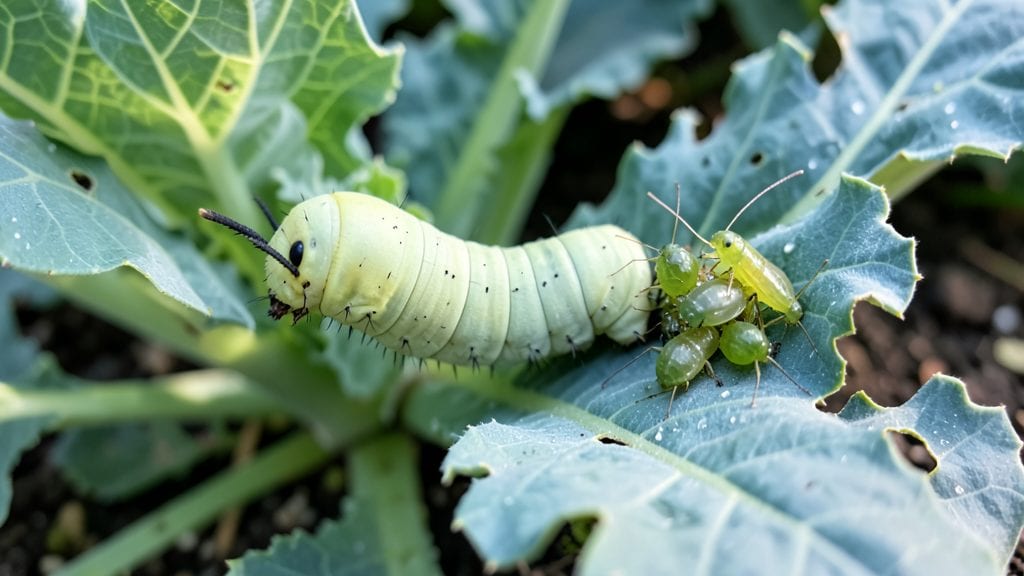
Bugs on kale plants turn your crisp, nutrient-packed harvest into a chewed-up mess faster than you can say "superfood." 🌱 I’ve lost entire batches to cabbage worms and aphids, but I’ve also learned which organic sprays actually work—without waiting months for results.
The key is acting fast and choosing the right mix for the pest.
Most bugs hit kale when plants are young or stressed, like after a dry spell. Cabbage worms hide under leaves, aphids cluster on stems, and flea beetles create tiny holes overnight.
The good news? You don’t need harsh chemicals—just targeted sprays like neem oil, insecticidal soap, or a homemade garlic spray that disrupts their life cycle within 24 hours.
By morning, you’ll see fewer pests on leaves, and new growth will stay intact. The spray also deters future infestations, so your kale stays crisp, pest-free, and ready to harvest—no more wilted or skeletonized leaves. Here’s exactly which spray to use and when to apply it for maximum impact.
Works for organic gardens, small urban plots, or even container-grown kale. The solutions here cut down bugs without harming pollinators or your soil. Let’s get those leaves back to their full, glossy potential.
Root Causes of Leaf Invaders
Kale plants might seem like a fortress of nutrition, but they’re actually a buffet for pests. Understanding why bugs target your kale is the first step to reclaiming your garden. Here’s why these tiny troublemakers show up—and how their behavior ties to your plants’ health.
When kale plants feel cramped or weak, they release stress signals—like chemical cues—that attract pests. Overcrowding reduces airflow, creating damp, shaded conditions that bugs love. Aphids, cabbage worms, and flea beetles thrive in these environments because stressed plants have lower defenses.
Why it happens:
- Poor spacing: Kale needs 18–24 inches between plants for airflow. If you’re growing them too close, humidity builds up, and pests move in.
- Nutrient deficiency: Nitrogen-starved kale (yellowing leaves) or phosphorus-deficient plants (purple stems) are easier targets. Pests detect weakened plants through volatile organic compounds (VOCs) emitted during stress.
- Water stress: Both overwatering (root rot) and drought (wilted leaves) signal distress. Fungus gnats and slugs are drawn to soggy soil, while cabbage loopers prefer wilted, dehydrated foliage.
Actionable fix:
- Thin seedlings to proper spacing.
- Test soil pH (ideal: 6.0–7.0) and amend with compost.
- Water at the base (not leaves) to avoid fungal signals that attract pests.
Kale is a magnet for pests because it’s packed with nutrients like glucosinolates (which deter some bugs but attract others). Certain pests are hardwired to seek out brassicas (the kale family), making them relentless visitors.
Why it happens:
- Cabbage worms & loopers: Their larvae only eat brassicas—they’ve evolved to detect kale’s unique scent compounds.
- Aphids: They feed on phloem sap, which is richer in sugars when plants are young or stressed.
- Flea beetles: They’re drawn to fresh, tender leaves, especially after rain when soil moisture spikes.
Actionable fix:
- Rotate crops with non-brassicas (like beans or tomatoes) to break pest cycles.
- Interplant with repellents: Nasturtiums or radishes can distract pests from your kale.
- Harvest outer leaves first to reduce exposure of inner, tender growth.
Pests don’t just appear randomly—they follow weather patterns and seasonal cues. Warm, humid conditions accelerate their life cycles, while sudden temperature drops can force them to seek shelter in your garden.
Why it happens:
| Pest | Trigger Condition | Why They Strike |
|---|---|---|
| Aphids | Mild winters, early spring | Cold-hardy; reproduce faster in warmth |
| Cabbage root flies | Warm, damp soil (>60°F) | Lay eggs in moist soil; larvae hatch quickly |
| Slugs & snails | Rainy, overcast days | Seek out tender leaves when ground is soft |
| Flea beetles | Hot, dry spells followed by rain | Beetles emerge to feed on rehydrated plants |
Actionable fix:
- Monitor forecasts: Increase scouting during pest-active seasons (e.g., late spring to early fall).
- Use row covers in early spring to block migrating adults.
- Mulch strategically: Straw mulch deters slugs, while diatomaceous earth (food-grade) can dry out soil-dwelling pests.
Even well-meaning gardening practices can accidentally invite bugs. For example, pruning tools can spread aphids, or compost piles near kale might harbor beneficial insects’ predators (like earwigs).
Why it happens:
- Poor sanitation: Leaving dropped leaves or crop debris provides hiding spots for pests and their eggs.
- Over-fertilizing: Excess nitrogen boosts leaf growth—but also makes plants softer and more appealing to chewers like cabbage worms.
- Ignoring beneficial insects: Ladybugs and lacewings eat aphids, but if you’re using broad-spectrum sprays, you’re killing them too.
Actionable fix:
- Clean up debris weekly to remove pest habitats.
- Use targeted sprays (like neem oil) that spare beneficial insects.
- Encourage predators: Plant dill or fennel to attract parasitic wasps that hunt cabbage worms.
Quick Fixes for Kale Pests
Got unwanted visitors feasting on your kale? Don’t panic—these targeted, organic solutions will help you reclaim your garden in no time. Below, we’ve matched common kale pests with easy, effective fixes, plus prevention tips to keep your greens thriving.
Signs: Ragged leaves, green or yellow caterpillars munching away. Why it happens: These chewers love tender kale leaves and multiply fast.
How to Fix It: 🔥 Handpick & Drown – Check leaves daily (especially undersides). Drop pests into soapy water—no chemicals needed! 🍳 Spray Bacillus Thuringiensis (Bt) – This organic bacteria kills caterpillars but is safe for bees. Reapply after rain. 👨🍳 Neem Oil Mix – Blend 1 tbsp neem oil + 1 tsp mild soap + 1 quart water. Spray at dusk (avoids harming bees). ⏰ Row Covers – Use lightweight fabric to block egg-laying moths before they hatch.
💡 Pro Tip: Plant dill, mint, or tansy nearby—these repel cabbage moths naturally!
Signs: Sticky residue (honeydew), curled leaves, tiny green/black clusters. Why it happens: Aphids suck sap, weakening plants and spreading disease.
How to Fix It: 🔥 Blast Off with Water – Spray leaves with a strong stream to knock them off (repeat 2x/day for 3 days). 🍳 Soap Spray – Mix 2 tbsp castile soap + 1 quart water. Test on a small leaf first—aphids hate it! 👨🍳 Ladybugs & Lacewings – Release beneficial insects (buy online or find them in wildflower patches). ⏰ Garlic Spray – Crush 3 garlic cloves + 1 tsp cayenne + 1 quart water. Strain and spray weekly.
💡 Pro Tip: Avoid over-fertilizing—aphids love soft, nitrogen-rich plants!
Signs: Tiny holes in leaves, black specks (the beetles), wilting young plants. Why it happens: These jumpers thrive in hot, dry soil and strip leaves fast.
How to Fix It: 🔥 Floating Row Covers – Shield seedlings with fine mesh until they’re established. 🍳 Diatomaceous Earth – Sprinkle food-grade DE around plants (reapply after rain). It dehydrates beetles! 👨🍳 Copper Tape – Wrap it around pots or stakes—beetles avoid copper’s electric-like charge. ⏰ Interplant with Radishes – Flea beetles prefer kale over radishes, so distract them!
💡 Pro Tip: Mulch heavily—beetles hate crawling through thick organic matter.
Signs: Irregular holes, silvery slime trails, missing leaf edges. Why it happens: These slimy pests love damp, shady kale beds at night.
How to Fix It: 🔥 Beer Traps – Bury a shallow dish of beer near plants. Slugs crawl in and drown (gross but effective!). 🍳 Copper Barriers – Place copper tape around pots or garden edges—it gives them a mild shock. 👨🍳 Crushed Eggshells – Sprinkle around plants (the sharp edges deter slugs). ⏰ Handpick at Night – Use a flashlight and damp towel to collect them (wear gloves!).
💡 Pro Tip: Water in the morning—slugs hide during the day but avoid dry soil.
- Rotate crops – Avoid planting kale in the same spot yearly.
- Healthy soil = strong plants – Add compost and worm castings for resilience.
- Diverse garden – Plant basil, marigolds, or thyme nearby to repel pests.
- Harvest regularly – Pests target overgrown kale, so pick often!
🎯 Final Reminder: Most fixes work in 24–48 hours if caught early. Stay vigilant, and your kale will bounce back—pest-free and delicious!
Frequently asked questions
What are the most common bugs that attack kale plants?
The top culprits are cabbage worms (green/yellow caterpillars), aphids (tiny clusters on stems), flea beetles (tiny holes in leaves), and slugs (irregular bite marks). Each targets different parts of the plant—worms eat leaves, aphids suck sap, beetles skeletonize foliage, and slugs attack at night.
How do I tell if my kale has a pest problem before damage gets severe?
Check the undersides of leaves for eggs or tiny pests, look for honeydew residue (aphids), or spot tiny holes (flea beetles). Early signs include yellowing leaves or stunted growth. Act fast—most pests double in size within 3-5 days if left unchecked.
Can I use neem oil on kale plants with aphids?
Yes! Mix 1 tbsp neem oil + 1 tsp mild soap + 1 quart water and spray directly on aphids. Reapply every 5-7 days or after rain. Neem disrupts their life cycle and deters future infestations. Just avoid spraying when bees are active (early morning or dusk works best).
What’s the fastest way to get rid of slugs on kale?
Set up beer traps (bury a shallow dish of beer near plants) or use copper tape around pots—slugs hate the electric-like charge. For immediate results, handpick them at night with a flashlight and damp towel. Mulch with crushed eggshells to deter them long-term.
Will companion planting really keep bugs off my kale?
Plant dill, mint, or nasturtiums nearby to repel pests naturally. These act as trap crops, distracting bugs from your kale. For flea beetles, interplant with radishes—they prefer those over kale. Just avoid overcrowding, which can attract more pests.