Pests
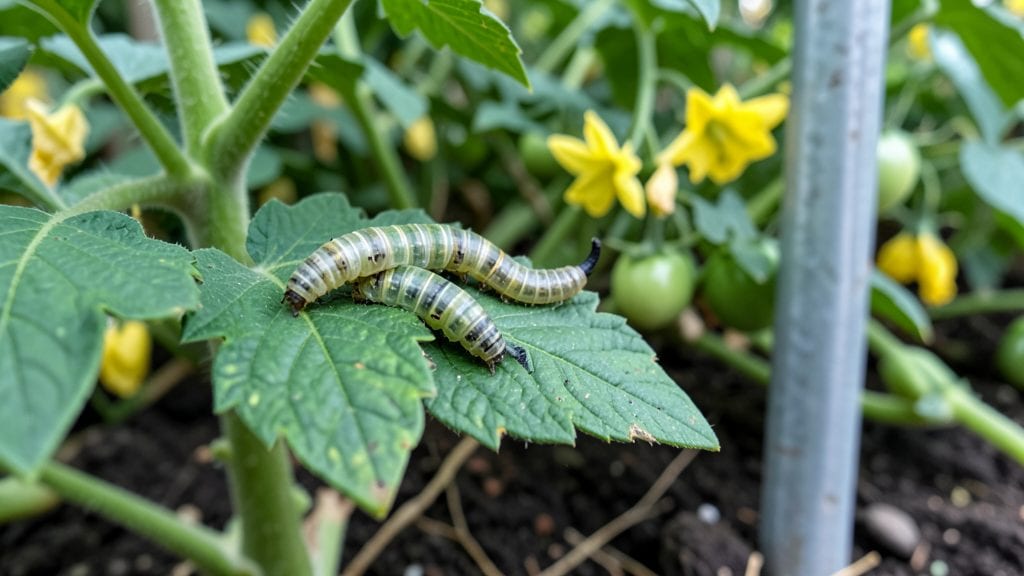
Finding worms on tomato plant leaves feels like a gut punch when you’ve nurtured your plants all season. 🌱 These little munchers—whether hornworms, cutworms, or slugs—can strip leaves faster than you can say "harvest."
The good news? You don’t need harsh chemicals to fight back. I’ve kicked these pests out of my garden using simple, organic tricks that keep tomatoes thriving and the ecosystem balanced.
The damage starts small—tiny holes or chewed edges—but if left unchecked, worms can defoliate plants in days, robbing them of energy for fruit. My first year, I nearly lost a whole plant to hornworms before realizing the solution was hiding in my compost pile.
The key is acting fast: handpick during dawn or dusk, introduce beneficial predators like ladybugs, or use barriers like diatomaceous earth. These methods work without harming pollinators or your soil.
By the time you’re done, your plants will bounce back with vibrant green leaves and stronger stems—ready to focus on producing those juicy tomatoes instead of fighting off invaders. The best part?
Prevention is easier than you think: healthy soil, proper spacing, and regular scouting keep pests at bay before they become a problem. Let’s get those leaves back where they belong.
Works for hornworms, cutworms, slugs, and even spider mites—no matter what’s chomping on your tomatoes. The same principles apply whether you’re growing in containers or a full-size bed. Here’s how to reclaim your plants without losing your sanity (or your harvest).
Root Causes of Leaf Munchers
When you spot worms on tomato plant leaves, it’s rarely a random act—these critters are usually drawn to your garden for specific reasons. Understanding the why behind their presence is the first step to kicking them out for good.
Let’s break down the most common triggers, from environmental factors to plant health issues, so you can address the core problem and protect your harvest.
Tomato worms—often hornworms or fruitworms—aren’t just nibbling leaves for fun. They’re scouting for food, and overripe, bruised, or cracked tomatoes send out chemical signals that scream, “Eat me!” Here’s why this happens:
- Sugars and acids: As tomatoes ripen, their sugar and acid content increases, making them irresistible to larvae. A single worm can lay 2,000–3,000 eggs near your plants, and ripe fruit is their buffet.
- Physical damage: Dropped tomatoes or those pecked by birds create entry points for eggs. Worms burrow in, munching the fruit from the inside while leaving the exterior intact—until it’s too late.
- Fungal soft spots: Tomatoes prone to blossom-end rot or gray mold develop weak spots that attract worms. The decaying tissue provides both food and shelter.
Actionable fix: Pick tomatoes as soon as they’re ripe (even if not fully red) and remove fallen fruit daily. Use row covers early in the season to block egg-laying moths.
A stressed tomato plant is like an open invitation for pests. When your plants are nutrient-deficient, overwatered, or diseased, their natural pest-repelling compounds (like volatile organic compounds) weaken. Here’s how it plays out:
| Symptom | Why Worms Target It | Science Behind It |
|---|---|---|
| Yellowing leaves (chlorosis) | Lack of nitrogen or iron makes leaves soft and easy to chew. | Chlorophyll production drops, reducing phenolic compounds that deter herbivores. |
| Wilting or drooping | Overwatering or root rot creates a damp, worm-friendly microclimate. | Moist soil boosts bacterial and fungal growth, which worms feed on alongside your plant. |
| Powdery mildew or spots | Fungal infections create weak patches that worms exploit. | Infected tissue has higher sugar content, making it a worm magnet. |
Actionable fix:
- Test soil pH (ideal: 6.0–6.8) and amend with compost or aged manure for nitrogen.
- Water at the base (not overhead) to prevent fungal growth.
- Apply neem oil or baking soda spray (1 tbsp baking soda + 1 quart water + drop of soap) to treat mildew.
Most tomato worms start as eggs laid by moths (like the tomato hornworm moth or corn earworm moth). These nocturnal fliers are highly selective about where they drop their eggs. Here’s their game plan:
- Heat and humidity: Moths use their antennae to detect warm, moist plants—ideal for larval survival. A greenhouse or southern exposure garden is prime real estate.
- Tomato scent: Compounds like methyl jasmonate (released when leaves are damaged) act as aphrodisiacs for moths, triggering egg-laying.
- Undisturbed foliage: Moths avoid plants with predators (like birds or parasitic wasps). Dense, untended foliage is a safe bet for them.
Actionable fix:
- Install yellow sticky traps near plants to catch adult moths.
- Prune plants to improve airflow (moths avoid well-ventilated gardens).
- Plant basil or marigolds nearby—their scents mask tomato aroma and repel moths.
Not all leaf-munching worms start on the leaves. Some, like cutworms or root-knot nematodes, live in the soil and climb up at night to feed. Their presence is often a sign of:
- Compacted or waterlogged soil: Poor drainage creates anaerobic zones where nematodes thrive. They then migrate upward to feed on tender new growth.
- Lack of beneficial microbes: Healthy soil teems with Bacillus thuringiensis (Bt) and other bacteria that naturally suppress worm populations.
- Overuse of synthetic fertilizers: Chemical-heavy soil disrupts the food web, allowing pests to dominate.
Actionable fix:
- Add sand or perlite to improve drainage, or plant in raised beds.
- Apply compost tea or mycorrhizal fungi to boost soil biodiversity.
- Use milky spore powder (for grubs) or Bt spray (for cutworms) as a targeted treatment.
💡 Pro Tip: Keep a pest journal! Note when worms appear, recent weather changes, and plant health shifts. Patterns will reveal if the issue is environmental (e.g., humidity), nutritional (e.g., nitrogen deficiency), or seasonal (e.g., moth migration).
Practical ways to remove worms from tomato leaves
Now that you know the culprits behind those pesky worms on your tomato plant leaves, it’s time to act! The good news? Most solutions are simple, organic, and effective.
Below, we’ve mapped out cause-specific fixes—plus prevention tips—to help you reclaim your thriving tomato garden without harsh chemicals. Let’s tackle this step by step!
Hornworms are the heavyweight champions of tomato leaf destruction, but they’re also the easiest to spot (and remove!). Here’s how to handle them:
🔥 Manual Removal (Best for Small Infestations)
- When to do it: Early morning or evening when hornworms are sluggish.
- How to do it:
- Grab a pair of gardening gloves or a tweezers (if you’re brave!).
- Inspect leaves underside first—that’s where they love to hide!
- Drop them in soapy water (1 tbsp dish soap per gallon of water) to kill them instantly.
Never release them back into the garden—they’ll just return! - Pro tip: 💡 Check your plants every 2–3 days during peak season (late spring to early summer). Hornworms grow fast, so early action prevents a full-blown attack.
🐝 Encourage Natural Predators (Long-Term Fix)
Hornworms have a built-in enemy: parasitic wasps (Cotesia congregata). These tiny wasps lay eggs inside hornworm larvae, which then hatch and devour the worm from the inside out. Gross? Yes. Effective?
Absolutely! - How to attract them: - Plant dill, fennel, or parsley nearby—they love these herbs. - Avoid pesticides (even organic ones) that kill beneficial insects. - Leave some leaf damage in your garden; predators often return to the same area.
🌿 Neem Oil Spray (For Stubborn Cases)
If hornworms are everywhere, a neem oil spray can disrupt their life cycle.
- Recipe:
- Mix 1 tbsp neem oil + 1 tsp mild soap + 1 quart water.
- Spray both sides of leaves at dusk (to avoid harming bees).
- Reapply every 5–7 days until the infestation clears.
- Warning: 🌡️ Neem oil works best in warm weather (above 60°F).
If temps drop, switch to manual removal.
Cutworms are master camouflagers, hiding in soil or under mulch during the day and chewing leaves at night. Here’s how to outsmart them:
🍳 DIY Collar Barrier (Prevents New Damage)
- When to do it: At planting time or when you spot chewed stems.
- How to do it:
- Cut toilet paper rolls or cardboard into 2-inch-wide rings.
- Place them 1–2 inches below soil level around young tomato stems.
- Secure with soil or a staple to keep cutworms from climbing up.
- Pro tip: ✨ For extra protection, sprinkle diatomaceous earth (food-grade) around the base—it’s a natural abrasive that dehydrates cutworms.
👨🍳 Flashlight Hunt (Evening Patrol)
Cutworms are nocturnal, so grab a flashlight and inspect your garden after dark.
- How to do it:
- Shine a light on the soil near your plants—cutworms will curl up when disturbed.
- Pick them up with gloves or tongs and drop them in soapy water.
- Bonus: 🎯 This also helps you spot slugs and earwigs, which love tomato leaves too!
🔪 Beer Trap (For Heavy Infestations) Yes, really!
Cutworms (and slugs) are attracted to beer. - Recipe: - Bury a shallow dish (like a yogurt cup) in the soil near your plants. - Fill it with beer and leave it overnight. - In the morning, dispose of the worms and refill the trap. - Why it works: The alcohol disorients and kills them quickly.
These tiny, winged pests cluster on the undersides of leaves, draining sap and leaving behind a sticky residue (honeydew) that attracts mold. Here’s how to evict them:
💦 Water Blast (Instant Relief)
- When to do it: Early morning or late evening (avoid harming bees).
- How to do it:
- Fill a spray bottle or hose with a gentle nozzle.
- Blast the undersides of leaves where pests hide.
- Repeat every 2–3 days until they’re gone.
- Pro tip: 🔥 For stubborn clusters, add a drop of dish soap to the water to help dislodge them.
🌿 Yellow Sticky Traps (Monitor & Control)
- How to do it:
- Hang yellow sticky cards near your tomato plants.
- Whiteflies are drawn to the color and get trapped.
- Check traps every few days and replace when full.
- Bonus: 🎯 This also catches aphids and fungus gnats!
🌿 Companion Planting (Prevent Future Infestations)
Plant marigolds, basil, or garlic near your tomatoes—their strong scents repel whiteflies and aphids.
- Why it works: Pests avoid these plants because they disrupt their feeding and mating cycles.
The best defense is a strong offense! Here’s how to prevent worms from moving in:
- 🌿 Rotate crops every year to disrupt pest life cycles.
- 🌱 Mulch with straw or grass clippings—this confuses cutworms and deters eggs from hatching.
- 🌞 Water in the morning so leaves dry quickly (worms and fungi love dampness).
- 🔍 Inspect new plants before bringing them home—quarantine them for a few days to spot hitchhiking pests.
- 🐝 Support pollinators (like ladybugs and lacewings) by avoiding broad-spectrum pesticides.
Final Thought: 🌱 With these organic, practical solutions, you’ll have your tomato plants worm-free in no time—and ready for a bountiful, healthy harvest! Remember, consistency is key—check your plants regularly, act fast, and let nature do the heavy lifting with beneficial predators. Happy gardening! 🍅✨
Frequently asked questions
What kind of worms are eating my tomato leaves?
The most common culprits are hornworms (green with white stripes), cutworms (gray/brown, nocturnal), and slugs (slimy trails). Hornworms are the fastest growers and can strip a plant in days, while cutworms chew stems at night. Slugs leave silvery slime behind. Identifying them helps you target the right solution.
Will removing worms harm my tomato plants?
No—removing worms actually helps your plants! While they may look alarming, these pests are temporary visitors. Handpicking or using organic sprays protects your tomatoes by stopping leaf damage, which allows the plant to focus energy on fruit production. Just be gentle when pruning damaged leaves to avoid stressing the plant further.
How often should I check my tomato plants for worms?
Inspect your plants every 2-3 days during peak growing season (late spring to early summer). Early detection is key—worms multiply fast! Check the undersides of leaves (their favorite hiding spot) and around stems. Morning or evening is best when pests are sluggish and easier to spot.
Can I use coffee grounds to get rid of tomato leaf worms?
Coffee grounds can help, but they’re not a standalone solution. Sprinkle them around the base of plants to repel slugs and deter some worms, but they won’t kill established infestations. For better results, combine them with diatomaceous earth (food-grade) or neem oil spray. Always reapply after rain.
What if my tomato plants already have heavy leaf damage?
Don’t panic—your plants can recover! Prune severely damaged leaves to redirect energy to new growth. Focus on removing the worms first, then fertilize with balanced organic fertilizer (like 10-10-10) to help recovery. If the plant is still young, it may bounce back completely. For older plants, expect slower regrowth but improved fruit production once pests are gone.