
Pests
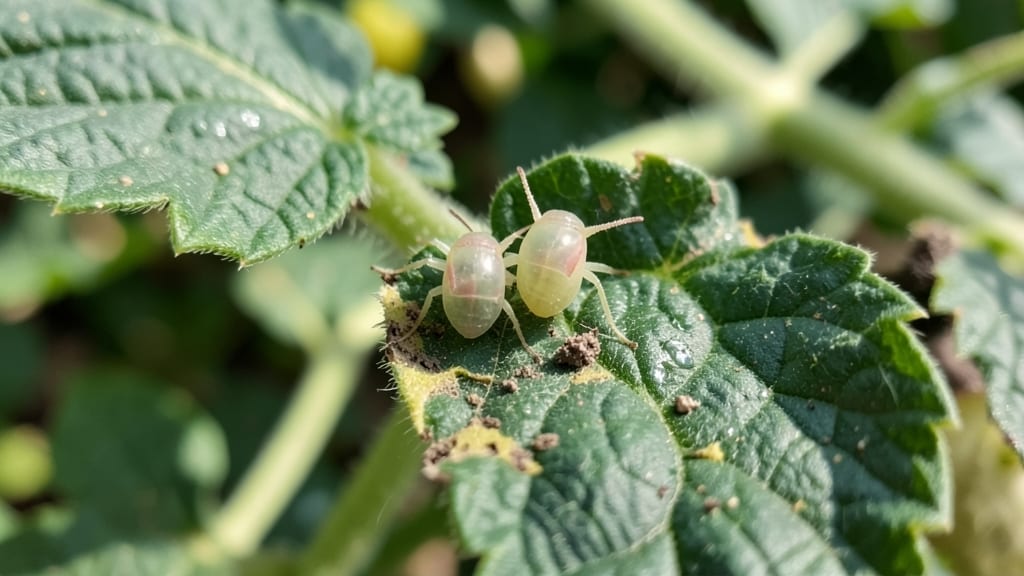
Bugs on tomato plant leaves can turn your harvest into a battle zone faster than you think. 🌱 I’ve watched aphids drain leaves in days, hornworms skeletonize plants overnight, and spider mites turn foliage yellow before I even noticed them—until I learned to spot the early signs and strike back fast.
The good news? Most tomato pests are easy to identify once you know what to look for. Tiny green clusters on stems? Aphids. Ragged leaves with black droppings? Hornworms. Fine webbing on undersides?
Spider mites. The key is acting within 24-48 hours—that’s when organic sprays like neem oil or insecticidal soap actually work best before the infestation spirals.
You’ll save your plants—and your sanity—by targeting the right bug with the right fix. A quick spray of soapy water can handle aphids, while handpicking hornworms (yes, really) prevents them from becoming a full-blown crisis.
The goal isn’t just to treat but to break the cycle so next year’s plants stay pest-free from day one.
This works whether you’re growing in containers, raised beds, or the ground. The same principles apply, just scaled to your setup. Let’s get those tomatoes thriving again—without the unwanted guests.
Root Causes of Leaf Invaders
If your tomato plants are suddenly hosting an uninvited feast of bugs on their leaves, don’t panic—there’s usually a clear reason behind the infestation. Understanding why these pests show up is the first step to kicking them out for good.
Below, we break down the most common culprits and the conditions that turn your tomato plants into their favorite buffet.
Tomato plants under stress are like open invitations to pests. When plants are overcrowded, airflow is restricted, creating a damp, humid microclimate that attracts insects like aphids, whiteflies, and spider mites. Stress can also come from:
- Poor soil nutrition: A lack of nitrogen, phosphorus, or potassium weakens plants, making them easier targets. Solution: Test your soil and amend it with compost or balanced fertilizer.
- Watering issues: Overwatering or underwatering stresses roots, leaving plants vulnerable. Solution: Water deeply 1–2 times per week (adjust for climate) and ensure proper drainage.
- Transplant shock: Newly planted tomatoes take time to adjust. Solution: Harden off seedlings before planting and avoid disturbing roots during transplanting.
💡 Pro Tip: Prune plants to improve airflow—remove suckers and lower leaves touching the soil to reduce hiding spots for pests.
Healthy tomato plants have natural defenses, but when their immune systems are compromised, bugs move in. Common weakeners include:
- Fungal or bacterial infections: Diseases like early blight or powdery mildew create entry points for pests. Solution: Rotate crops annually and use copper fungicides preventatively.
- Herbicide drift or chemical burns: Residual pesticides on leaves can harm the plant’s protective waxy coating. Solution: Always follow label instructions and avoid spraying tomatoes with broadleaf herbicides.
- Nutrient deficiencies: Yellowing leaves (chlorosis) signal iron or magnesium deficiency, making plants more attractive to sap-sucking insects. Solution: Apply chelated iron or Epsom salt (magnesium sulfate) as needed.
🔥 Warning: Avoid over-fertilizing with nitrogen—it promotes lush foliage (a pest magnet) but can stunt fruit production.
Some bugs are simply seasonal visitors. For example:
- Spider mites: Thrive in hot, dry conditions (think summer heat waves). They multiply rapidly on dusty or drought-stressed leaves.
- Aphids: Peak in spring and early summer when new growth is tender. They’re drawn to sweet sap and often hitchhike on garden tools or wind.
- Tomato hornworms: Their caterpillars are most active at night but leave behind chewed leaves and frass (poop) during the day.
🌡️ Climate Connection: Warmer temperatures accelerate pest reproduction. Monitor plants closely during heatwaves and after rain (which boosts fungal growth and softens leaves).
Pests love clutter. Leaving behind:
- Debris: Old plant matter, weeds, or fallen leaves harbor egg-laying pests and diseases.
- Unpruned plants: Dense foliage traps moisture and provides hiding spots for bugs.
- Infested mulch: Straw or wood chips contaminated with pest eggs can reinfect new plants.
🎯 Prevention Tip: Clear garden beds of debris before planting. Use clean mulch (like shredded hardwood) and rotate planting locations every 3 years to disrupt pest life cycles.
Now that you know the why, the next steps are identification and action. Stay tuned for our deep dive into spotting specific pests and natural remedies to evict them!
Quick Fixes for Leaf Pests
Once you’ve spotted the culprits munching on your tomato leaves—whether it’s aphids, spider mites, or hornworms—it’s time to act fast. The good news? Most of these pests can be tackled with simple, garden-friendly solutions.
Below, we’ll break down cause-specific fixes, from organic sprays to hands-on removal, plus prevention tips to keep your plants thriving.
Aphids cluster on the undersides of leaves, sucking sap and leaving behind sticky honeydew. Here’s how to evict them:
🔥 Knock Them Off with Water
- How: Use a strong stream of water from a hose to blast aphids off leaves. Repeat every few days until they’re gone.
- Why: Aphids hate water pressure—it disrupts their grip and washes them away.
🍳 Soapy Water Spray (Safe & Effective)
- How: Mix 1 tbsp mild dish soap (like Castile soap) with 1 quart of water.
Spray directly on infested leaves, focusing on the undersides. - Why: The soap suffocates aphids without harming plants (use sparingly—too much can damage leaves). - Pro Tip: 💡 Add 1 tsp neem oil to the mix for extra pest-repelling power.
👨🍳 Introduce Beneficial Insects
- How: Release ladybugs or lacewings (available at garden centers). These predators love aphids and will clean up the infestation naturally.
- Why: It’s a long-term, chemical-free solution.
🌡️ Prevention: Keep Plants Healthy
- Avoid over-fertilizing (especially with nitrogen)—aphids adore lush, soft growth.
- Encourage airflow by pruning crowded plants to deter aphid colonies.
These microscopic pests thrive in dry, dusty conditions, spinning fine webs on leaves. If you see speckled, yellowing leaves or tiny moving dots, spider mites are likely the culprits.
🔪 Blow Them Away
- How: Use a leaf blower or compressed air to dislodge mites from leaves. Repeat daily for 3–5 days.
- Why: Mites are lightweight—they’ll fly away or get trapped in soapy water below.
🥘 Neem Oil Spray (Best Defense)
- How: Mix 1 tbsp neem oil + 1 tsp mild soap + 1 quart of water. Spray every 5–7 days until mites disappear.
- Why: Neem oil smothers mites and disrupts their life cycle.
It’s also preventative—use it during dry spells.
🌧️ Increase Humidity
- How: Mist plants daily or place a shallow tray of water near them. Use a hose-end spray nozzle to mist leaves.
- Why: Spider mites hate humidity—it slows their reproduction.
🎯 Prevention: Dust Control
- Shake or wipe leaves regularly to remove dust (mites love it).
- Avoid overwatering—stressed plants attract mites.
These green caterpillars (with white stripes) can devour a tomato plant overnight. If you see large holes in leaves, act fast!
👨🍳 Handpick Them (Yes, Really!)
- How: Wear gloves and pick them off by hand (they’re gross but easy to spot). Drop them in soapy water.
- Why: One hornworm can destroy a plant in days—manual removal is the fastest fix.
🔪 Bt (Bacillus thuringiensis) Spray
- How: Apply Bt spray (a natural bacteria) to leaves. Hornworms ingest it and die within 48 hours.
- Why: 100% organic and safe for humans, pets, and beneficial insects.
🕸️ Attract Their Predators
- How: Plant dill, fennel, or parsley nearby to lure parasitic wasps, which lay eggs in hornworms.
- Why: Nature’s pest control—wasp larvae will eat the hornworms alive.
🌡️ Prevention: Early Detection
- Check leaves daily (especially at dawn/dusk when hornworms are active).
- Use row covers if you’ve had hornworms before—they block adult moths from laying eggs.
| Pest | Signs | Fast Fix | Prevention |
|---|---|---|---|
| Whiteflies | Tiny white moths, sticky residue | Yellow sticky traps or neem oil spray | Reflective mulch deters them |
| Flea Beetles | Tiny holes in leaves | Row covers or diatomaceous earth | Interplant with radishes (they love them more) |
| Cucumber Beetles | Chewed leaves, yellowing | Handpick or kaolin clay spray | Remove weeds (they hide there) |
- 💡 Rotate crops—don’t plant tomatoes in the same spot yearly.
- 🌡️ Water at the base (not leaves) to avoid attracting fungus-loving pests.
- ✨ Plant companion plants like basil, marigolds, or nasturtiums—they repel many tomato pests.
- 🔥 Clean up debris after harvest to remove pest hiding spots.
Remember: The key to beating bugs is speed + consistency. Check your plants 2–3 times a week, and act at the first sign of trouble. With these fixes, your tomato leaves will stay lush, pest-free, and ready for harvest! 🍅💪
Frequently asked questions
Why do tomato leaves attract so many different bugs?
Tomato plants are like all-you-can-eat buffets for pests because they’re nutrient-rich and tender. The soft leaves provide perfect hiding spots, while sweet sap attracts sap-suckers like aphids and whiteflies. Stress from poor soil, overcrowding, or inconsistent watering makes them even more vulnerable to attacks.
Are some tomato leaf bugs actually helpful?
Yes! Ladybugs, lacewings, and parasitic wasps are natural predators that hunt pests like aphids and hornworms. These beneficial insects won’t harm your plants—they’re the garden’s cleanup crew. Just avoid pesticides that might kill them too.
How often should I check my tomato plants for pests?
Inspect your plants 2-3 times per week, especially after rain or when temperatures rise. Early detection is key—spotting pests before they spread means quicker, easier fixes. Focus on leaf undersides, stems, and new growth where bugs love to hide.
Will homemade sprays really work against tomato pests?
Soapy water (1 tbsp mild soap + 1 quart water) or neem oil sprays are highly effective against aphids, spider mites, and whiteflies. The secret is consistency—reapply every 5-7 days until pests disappear. Always test sprays on a small leaf first to avoid damage.
Can I still harvest tomatoes if the leaves have bugs?
Yes, but focus on fruits that aren’t directly infested. Most tomato pests target leaves, not fruit. Wash tomatoes thoroughly before eating. If you see hornworms or beetles on fruits, remove them immediately—they can damage the skin and attract other pests.