
Pests
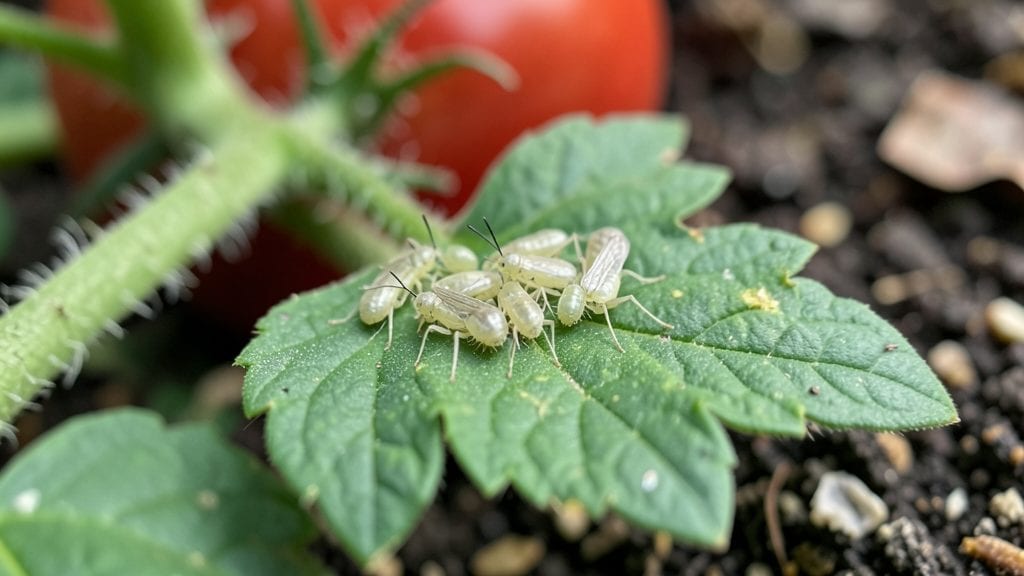
Those little bugs on tomato plants—like aphids, whiteflies, and spider mites—can turn a thriving harvest into a leafy mess, but neem oil spray is the fastest way to stop them in their tracks. 🌱 I’ve watched them wipe out entire plants until I learned this one trick that works within a day.
The key isn’t just spraying—it’s timing, coverage, and knowing which bugs you’re actually dealing with.
Most of these pests leave behind unmistakable clues: sticky residue, chewed leaves, or fine webbing. Aphids cluster on new growth, whiteflies flutter when you shake the plant, and spider mites hide on the undersides of leaves.
Neem oil disrupts their life cycle, but you’ve got to hit them at the right stage—too late, and you’re fighting a full-blown infestation. The good news? This method works for both organic gardens and conventional ones.
Within 24 hours, you’ll see fewer bugs crawling around, and in a week, new growth will emerge cleaner than before. The spray also prevents future outbreaks if you apply it every 5–7 days during peak pest season.
No more wilting leaves or stunted fruit—just healthy plants that keep producing all summer long. Let’s get those pests under control for good.
Works for container gardens, raised beds, and in-ground plants alike. Whether you’re dealing with a sudden outbreak or just want to stay ahead, this is the fail-safe solution I wish I’d known years ago. Ready to reclaim your tomato plants?
Root Causes Of Tiny Invaders
Those pesky tiny bugs on tomato plants aren’t just random visitors—they’re drawn to your garden for specific reasons. Understanding why they show up is the first step to stopping them before they devour your harvest.
Here’s a breakdown of the most common triggers, backed by science, so you can address the real issues.
Tomatoes thrive when they have space to breathe, but when plants are too close together, they become stressed. Poor air circulation creates the perfect humid microclimate that attracts insects like aphids, whiteflies, and spider mites. These pests love damp, sheltered spots where they can multiply undetected.
Additionally, nutrient-deficient soil weakens plants, making them more susceptible to infestations. When tomatoes lack nitrogen, phosphorus, or potassium, their natural defenses drop, and they become easier targets for hungry bugs.
Actionable fix: Prune plants for better airflow, space them 18–24 inches apart, and amend soil with compost or balanced fertilizer (10-10-10) to boost resilience.
If your tomato leaves look sticky, curled, or covered in webbing, you’re likely dealing with sap-sucking pests like aphids, thrips, or spider mites. These insects excrete honeydew—a sugary residue that attracts sooty mold, further stressing the plant.
Leaves can also become damaged from physical stress (e.g., hail, strong winds) or disease (like early blight), creating entry points for pests. Once the plant’s barrier is compromised, bugs move in to feed on sap or lay eggs.
Actionable fix: Wipe leaves with a damp cloth to remove honeydew, apply reflective mulch (like aluminum foil) to deter thrips, and treat fungal issues with neem oil or copper fungicide.
Inconsistent watering is a magnet for pests. Overwatering leads to soggy soil and fungal growth, while underwatering stresses plants, making them produce more sugary sap—a buffet for insects. Spider mites, for example, thrive in dry conditions, while fungus gnats love damp soil.
Even watering at the wrong time (e.g., late in the day) can prolong leaf wetness, inviting pests. And if you’re using low-quality water (hard water with high mineral content), it can weaken plants over time, making them more vulnerable.
Actionable fix: Water deeply at the base (1–1.5 inches per week) in the morning, use drip irrigation to avoid wetting leaves, and mulch to retain moisture evenly.
Sometimes, the "little bugs" aren’t the problem—they’re symptoms of a bigger ecosystem issue. For example:
- Ladybugs and lacewings may seem harmless, but their larvae can still munch on aphids (which are also pests). If you see an explosion of these beneficial insects, it often means aphids are already present.
- Whiteflies are drawn to yellow sticky traps or over-fertilized plants (especially with nitrogen). If your traps are covered in wings, the infestation is already underway.
- Fungal gnats indicate overly wet soil, often from poor drainage or excessive mulch.
Actionable fix: Set up yellow sticky traps early to monitor pest activity, introduce beneficial nematodes for soil-dwelling pests, and avoid over-fertilizing.
By tackling these root causes—plant stress, poor maintenance, and environmental triggers—you’ll make your tomato plants far less appealing to unwanted visitors. The next step? Proactive fixes to reclaim your garden in 24 hours.
Quick Fixes for Tiny Tomato Plant Invaders
Discovering tiny bugs nibbling on your tomato plants can feel like a nightmare—especially when you’ve put so much effort into growing them! 🌱🐞 But don’t panic. With the right approach, you can eliminate these pests fast and keep your tomatoes thriving.
Below, we’ve broken down the most common culprits and the best ways to tackle them—without harsh chemicals.
If you spot clusters of green, yellow, or black bugs on new growth or undersides of leaves, you’re likely dealing with aphids. These pests weaken plants by draining sap, leaving behind sticky residue (honeydew) that attracts mold.
How to Treat Them:
🍳 Neem Oil Spray (Fastest Fix)
Neem oil is a natural, organic solution that disrupts aphids’ life cycle while being safe for plants.
- Mix: 1 tsp neem oil + 1 tsp mild soap (like castile) + 1 quart of water.
- Shake well and spray directly on bugs (especially undersides of leaves) in the early morning or evening (avoid direct sunlight).
- Reapply every 5–7 days until they’re gone.
A simple soap solution suffocates aphids on contact.
- Mix: 1 tbsp liquid dish soap + 1 quart of water.
- Spray thoroughly and rinse plants after 1 hour to avoid leaf burn.
- Repeat every 2–3 days for stubborn infestations.
For small gardens, a sharp stream of water from a hose can knock aphids off plants. Do this in the morning so leaves dry quickly.
💡 Prevention Tips:
- ✅ Encourage natural predators like ladybugs, lacewings, or parasitic wasps by planting marigolds or dill nearby.
- ✅ Inspect new plants before adding them to your garden.
- ✅ Avoid over-fertilizing with nitrogen—aphids love lush, soft new growth.
Tiny white moth-like bugs that take flight when disturbed? That’s whiteflies. They cluster on the undersides of leaves, sucking sap and spreading viruses.
How to Treat Them:
🔪 Yellow Sticky Traps (Early Detection)
Hang yellow sticky cards near plants—whiteflies are attracted to the color and get trapped.
- Place traps above the plant canopy and check daily.
- Replace when 70% covered to maintain effectiveness.
Combine neem oil with kaolin clay (like Surround WP) to create a physical barrier that repels and smothers whiteflies.
- Mix: 1 tbsp neem oil + 1 tbsp kaolin clay + 1 quart water.
- Spray evenly on both leaf sides and stems.
- Reapply every 5–7 days or after rain.
Cover the soil with aluminum foil or reflective mulch—whiteflies get disoriented by the glare and avoid laying eggs.
💡 Prevention Tips:
- ✅ Remove yellowing leaves immediately—whiteflies love stressed plants.
- ✅ Space plants properly for airflow (they thrive in crowded, humid conditions).
- ✅ Use row covers early in the season to block adult flies.
If your tomato leaves have fine webbing and tiny moving dots, you’ve got spider mites. These pests thrive in dry, hot conditions and can defoliate plants quickly.
How to Treat Them:
💦 Water Blast (First Line of Defense)
Spider mites hate humidity. Give plants a good soaking every 2–3 days to wash them off.
🌡️ Neem Oil + Water Spray (Cooling Effect)Mix neem oil + water and spray leaves to increase humidity and smother mites.
- Mix: 1 tbsp neem oil + 1 tsp soap + 1 gallon water.
- Spray until leaves are glistening (focus on undersides).
- Repeat every 3–4 days until mites disappear.
Introduce beneficial mites (Phytoseiulus persimilis)—they eat spider mites and won’t harm your tomatoes.
💡 Prevention Tips:
- ✅ Keep plants well-watered—mites love drought stress.
- ✅ Avoid over-fertilizing with phosphorus (it attracts mites).
- ✅ Use a fan to improve airflow around plants.
Most of these pests can be eliminated in 24–48 hours with consistent treatment. The key? Act fast and combine prevention with treatment for long-term success. Happy gardening! 🌿🍅
Frequently asked questions
What are the most common tiny bugs that attack tomato plants?
The most frequent culprits are aphids (green/black clusters), whiteflies (tiny white moths), and spider mites (red/yellow specks with webbing). These pests thrive in warm, humid conditions and can appear almost overnight during growing season.
How do I know if my tomato plant has a serious bug problem?
Look for sticky residue (honeydew), yellowing leaves, chewed edges, or fine webbing on undersides. If you see 20+ bugs per leaf or new leaves curling immediately after emerging, it’s time to act fast—these are clear signs of an infestation.
Can I use neem oil on tomato plants if I'm also growing other vegetables?
Yes! Neem oil is organic and safe for most edible plants when used correctly. Just avoid spraying in direct sunlight (it can cause leaf burn) and don’t apply when tomatoes are flowering (it may repel pollinators). Always test on a small leaf first to check for sensitivity.
Why do bugs keep coming back even after I've treated them?
Pests often return due to hidden eggs, poor coverage (missing undersides of leaves), or environmental triggers like overcrowded plants. Reapply treatments every 5-7 days and focus on improving airflow and soil health to break their life cycle.
Are there any natural predators that can help control these bugs?
Introduce ladybugs, lacewings, or parasitic wasps—they eat aphids and whiteflies naturally. Plant marigolds or dill nearby to attract these beneficial insects, and avoid pesticides that might harm them.