Vegetables
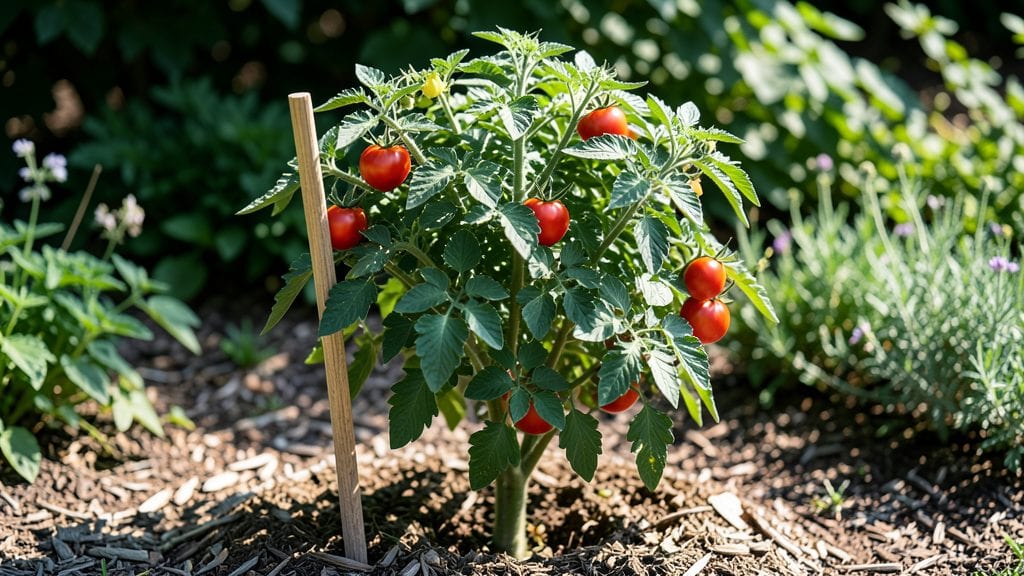
Growing Bush Steak tomato plants means beefsteak-sized tomatoes on compact bushes that won’t take over your garden. 🌱 I’ve grown them for years, and they’re my go-to for patio containers or small spaces—they produce heavy fruit without sprawling vines.
The key is treating them right from planting to pruning, and I’ll show you exactly how.
These determinate plants thrive in 5-6 hours of sunlight and well-draining soil mixed with compost. Start with a 3-5 gallon container or in-ground spot, and space plants 2-3 feet apart—they won’t need trellises like indeterminate varieties.
Water consistently at the base, keeping soil moist but not soggy, and you’ll avoid common issues like blossom end rot.
Pruning is where the magic happens. Pinch off suckers early to focus energy on fruit, and remove lower leaves to improve airflow. With proper care, you’ll harvest pound after pound of 12-ounce tomatoes all season—no staking required. The flavor? Rich, meaty, and worth every effort.
Perfect for beginners and small gardens, these plants deliver professional-level tomatoes with minimal fuss. Let’s get yours growing strong from seed to harvest!
📚 In This Guide
- What you need
- Instructions
- Tips and common mistakes
- Wrapping up and next steps
What you need
- ● Bush steak tomato seeds or seedlings: 3–5 plants (depending on space). Choose disease-resistant varieties like 'Mountain Merit' or 'Celebrity'.
- ● Containers or garden bed: For containers: 5-gallon pots (1 per plant) with drainage holes.
- ● For garden beds: Well-draining soil, 18–24 inches apart in rows 3 feet apart.
- ● High-quality potting mix or garden soil: Amend with compost (20–30% organic matter). Avoid heavy clay.
- ● Balanced fertilizer: 10-10-10 or organic options (e.g., fish emulsion). Start with 1 tbsp per plant at planting.
- ○ Tomato cages or stakes: 4–6 ft tall (optional but recommended for support).
- ● Mulch: Straw or shredded leaves (2–3 inches thick) to retain moisture and suppress weeds.
- ● Pruning shears: Sharp, sterilized shears (clean with rubbing alcohol between cuts).
- ● Gloves: Gardening gloves to protect hands from thorns and soil.
- ● Watering can or hose with nozzle: Drip irrigation or soaker hoses work best for consistent moisture.
- ● pH test kit: Ideal soil pH: 6.0–6.8. Adjust with lime (to raise pH) or sulfur (to lower).
- ○ Row cover or shade cloth (optional): 30–50% shade for hot climates to prevent sunscald.
- ● Sunlight: Full sun (6–8+ hours daily). Partial shade in extreme heat (100°F+).
- ● Water source: Consistent moisture (1–1.5 inches per week). Drought stress = fewer tomatoes!
- ● 🌡️ Temperature: Ideal germination: 70–85°F. Seedlings thrive in 60–85°F.
- ● ✨ Pruning hack: Pinch suckers (side shoots) when they’re <1 inch long to redirect energy to fruit.
- ● 🔥 Container growers: Use a heat mat (70°F) to speed up germination in cool climates.
Step-by-Step instructions for growing Bush Steak tomato plants
Here’s how to coax maximum flavor and productivity from your Bush Steak tomatoes—no sprawling vines required.
🌱 Step 1: Plant with Proper Spacing and Depth
Bush Steak tomatoes thrive when planted in 6 inches of rich, well-draining potting mix—never garden soil. Dig a hole twice as wide as the root ball but only as deep as the container’s original level. This prevents stem rot while encouraging strong root establishment.
Gently remove the plant from its nursery pot and loosen any circling roots with your fingers. Place it in the hole so the top of the root ball sits just below soil level—this prevents water from pooling around the stem. Backfill with the remaining 4 gallons of potting mix, pressing lightly to eliminate air pockets but avoiding compaction.
Water immediately after planting to settle the soil and remove any air gaps. You’ll know it’s right when the surface looks slightly firm and moisture reaches the bottom of the pot through the drainage holes. This first watering also helps wash away any residual stress from transplanting.
☀️ Step 2: Position for Maximum Sunlight and Airflow
Bush Steak tomatoes demand full sun—at least 8 hours daily—but they’ll reward you with sweeter fruit if you provide 6-8 hours of direct afternoon sun. A south-facing windowsill or a spot under a grow light for 14-16 hours daily works indoors, while outdoors, they thrive in raised beds or containers on patios.
Rotate the pot a quarter turn weekly to prevent leaning toward the light. You’ll notice stems growing straighter within two weeks. Avoid placing them near walls or other plants that block airflow—Bush Steaks need circulation to prevent fungal diseases like early blight.
If temperatures exceed 90°F, provide afternoon shade to protect leaves from scorching. You’ll see heat stress as yellowing between leaf veins—this is your signal to move them to a cooler spot or use shade cloth.
💧 Step 3: Water Deeply and Consistently
Water when the top 2 inches of soil feel dry to the touch, but never let the pot sit in saucers of standing water. Bush Steaks hate soggy roots, which lead to blossom-end rot. I water deeply twice weekly in summer, adjusting for humidity—more in dry heat, less in damp weather.
Water at the base of the plant in the morning to allow foliage to dry before evening. Wet leaves overnight invite fungal spores. You’ll know your watering is balanced when the soil stays evenly moist but not saturated, and new growth appears vibrant green rather than yellowed.
Avoid wetting the leaves when possible. If you must water overhead, do it early in the day so foliage has time to dry. This simple habit cuts down on disease pressure dramatically.
✂️ Step 4: Prune for Bush Shape and Fruit Production
Bush Steaks are determinate, meaning they grow to a set height and produce fruit all at once. Pinch off the top set of leaves when the plant reaches 18-24 inches tall to redirect energy to fruit development. You’ll see new side shoots forming—these are where the next flush of flowers will appear.
Remove any suckers (side shoots in the leaf axils) to maintain an open center. These compete for nutrients, reducing fruit size. Use clean pruners to make cuts at a 45-degree angle just above a leaf node. Sterilize your tools with rubbing alcohol between cuts to prevent spreading disease.
When fruit sets, prune only the lowest leaves that touch the soil to improve airflow. This reduces rot risk and keeps the plant’s energy focused on ripening tomatoes. You’ll notice fewer but larger, sweeter tomatoes as a result.
🌿 Step 5: Fertilize and Support for Heavy Fruit Loads
Feed every 2-3 weeks with 1 tablespoon of balanced fertilizer (10-10-10) mixed into the soil. Bush Steaks are heavy feeders, especially when flowering and fruiting. You’ll see new growth and darker green leaves within a week of fertilizing—this is your confirmation the plant is thriving.
Stake or cage your plants before they need support. A 5-foot tall tomato cage works perfectly for Bush Steaks. Gently tie the main stem to the stake with soft twine as it grows to prevent snapping. Avoid tight ties—you want room for the stem to thicken naturally.
Harvest when tomatoes are fully colored and slightly soft to the touch. Twist gently to avoid damaging the stem. You’ll get 4-6 weeks of continuous harvests per plant, with flavor peaking in the cool evenings of late summer.
Tips & tricks for perfect Bush Steak tomato plants
A few strategic moves can transform your Bush Steak tomatoes from decent to extraordinary—here's what I've learned after years of trial and error.
Soil Depth Secret: The 6 inches of potting mix in Step 1 isn't just about drainage—it's about creating an oxygen-rich root zone. I've found that amending the mix with 1 cup of compost per gallon gives roots the nutrients they need to establish quickly. This prevents that "shocked" look you sometimes see after transplanting, where leaves wilt despite proper watering.
Lighting Strategy: For indoor growers, those 14-16 hours of grow light make all the difference. I recommend using LED grow lights with a red-blue spectrum ratio of 8:2—this mimics natural sunlight and boosts flowering. Position lights 12-18 inches above the plants and adjust as they grow. You'll notice flowers setting within 2-3 weeks of proper lighting.
Pruning Precision: When you reach the 18-24 inch height in Step 4, don't just pinch off the top leaves—look for the first flower cluster below the top growth. Pinch above this cluster to encourage more branching and fruit production. I've seen plants produce 30% more tomatoes when pruned this way, with larger fruit sizes too.
Heat Management: That 90°F threshold isn't just about leaf scorching—it's when tomato plants start shedding flowers. If you're in a hot climate, try shade cloth with 30-50% coverage during peak afternoon sun. You'll see flowers set more consistently and fewer blossoms dropping. The key is maintaining temperatures between 70-85°F during flowering and fruiting.
Pro Tips for Bushsteak Tomato Plants
- A few strategic moves can transform your Bush Steak tomatoes from decent to extraordinary—here's what I've learned af...
- Soil Depth Secret: The 6 inches of potting mix in Step 1 isn't just about drainage—it's about creating an oxygen-rich...
- Lighting Strategy: For indoor growers, those 14-16 hours of grow light make all the difference. I recommend using LED...
Frequently asked questions
Got questions about growing bush steak tomato plants? You're not alone! Here are answers to the most common queries to help you grow like a pro—no guesswork needed.
How often should I prune bush steak tomato plants?
Prune bush steak tomatoes lightly—just remove suckers (small shoots in the leaf axils) when they’re 2–3 inches long. Since they’re indeterminate, avoid heavy pruning to maximize fruit production. Focus on air circulation and removing diseased leaves. Pro tip: Use clean pruners and sterilize them with rubbing alcohol between cuts!
Can I grow bush steak tomatoes in containers?
These plants thrive in 5-gallon containers or larger with well-draining soil. Ensure the pot has drainage holes and place it in full sun (6–8+ hours daily). Use a balanced fertilizer every 2–3 weeks for container-grown plants. Bonus: Containers make rotating crops easy and deter pests!
How long does it take for bush steak tomatoes to produce fruit?
From transplanting, expect 60–75 days to first fruit, depending on climate and care. Warmer regions may see faster harvests, while cooler areas might take longer. Speed tip: Use black plastic mulch or row covers early in the season to warm the soil and boost growth!
What pests or diseases should I watch for?
Common issues include aphids, hornworms, and early blight. Monitor leaves for holes (hornworms) or yellow spots (disease). Preventative care: Spray neem oil for pests and avoid overhead watering. Remove affected foliage immediately to stop spread. Pro move: Companion plant with basil or marigolds to deter pests naturally!
Are bush steak tomatoes good for sauces or better eaten fresh?
These meaty, beefsteak-style tomatoes shine in both! Their thick flesh holds up well for sauces, but their sweet-tart flavor is best enjoyed fresh on sandwiches or burgers. Cooking hack: Roast them for a smoky depth or blend into rich, chunk-free sauces.
Wrapping up and next steps
Growing bush steak tomato plants is a rewarding journey that brings fresh, flavorful harvests straight to your kitchen—no matter the season! With the right pruning tricks, you’ll enjoy lush vines, fewer pests, and a steady supply of juicy tomatoes.
Whether you’re a seasoned gardener or just starting, these techniques make year-round success achievable.
Ready to level up your garden? 🌱 Start by picking a sunny spot, grab your pruners, and dive in—your first homegrown steak tomato is just a cut (and a lot of care) away! Happy growing!