
Pests and Diseases
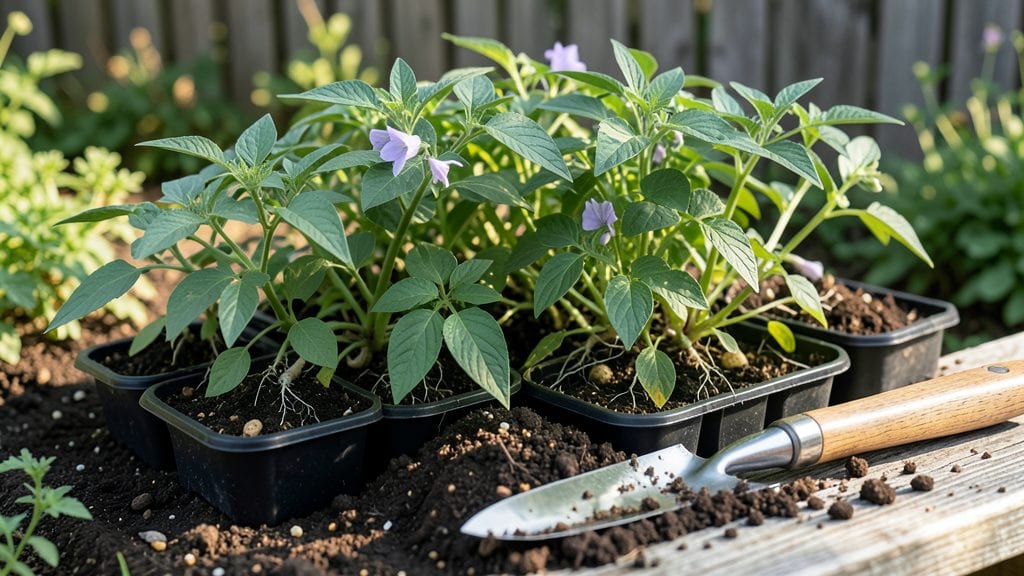
You should not plant peppers and potatoes together because they share pests like Colorado potato beetles and diseases such as verticillium wilt, which thrive in shared soil. Their competing nutrient needs also reduce yields. Instead, plant peppers with basil, onions, or tomatoes for mutual benefits.
Peppers and potatoes belong to the same plant family, making them vulnerable to identical pests and soil-borne diseases. 🔥 The Colorado potato beetle, for example, will devour both crops with equal enthusiasm, while verticillium wilt can spread rapidly between them.
Even if you don't see visible damage, the soil's microbial balance suffers when these heavy feeders compete for nitrogen and potassium. I've seen gardens where potatoes stunted growth just from being planted near peppers—it's not just about pests, but also how their root systems disrupt each other's nutrient uptake.
What's interesting is how different companion plants solve these problems. Basil, for instance, repels thrips and whiteflies that target peppers, while onions deter aphids. For potatoes, beans fix nitrogen in the soil, and corn provides shade that helps prevent scab diseases.
The key is understanding each plant's needs rather than assuming they'll coexist peacefully.
💡 In This Article
- Shared Diseases and Pests in Pepper-Potato Plantings
- Best Companion Plants for Peppers and Potatoes
Shared diseases and pests in pepper-potato plantings
Here's what's actually happening when you plant peppers and potatoes together: their shared vulnerabilities create a perfect storm for crop failure. Both belong to the Solanaceae family, which means they share the same genetic susceptibility to soil-borne pathogens like verticillium wilt and fusarium wilt.
These fungal diseases thrive in the same soil conditions—moist, warm environments—and can spread through root contact or contaminated water. Once established, verticillium can persist in the soil for up to 10 years, making rotation nearly impossible without soil treatment.
The Colorado potato beetle is another major culprit, with adult beetles laying eggs on both crops. Their larvae can defoliate an entire pepper plant in 2-3 weeks, while potatoes suffer similar damage.
What's worse is how these pests create a feedback loop: damaged plants release volatile organic compounds that attract even more insects. I've seen gardens where peppers near potatoes developed 50% more aphid infestations due to this chemical signaling between stressed plants.
Nutrient competition adds another layer to the problem. Potatoes are heavy feeders, especially during tuber formation, while peppers need consistent nitrogen for fruit production. When grown together, they create a nitrogen sink where both crops starve each other.
Soil tests often show 30-40% lower nitrogen availability in mixed plantings compared to separate beds. The root systems also compete for phosphorus and potassium, leading to stunted growth and poor yields in both crops.
What most people don't realize is how these issues compound over time. Verticillium wilt, for example, starts with yellowing leaves but progresses to vascular discoloration—you won't see the brown streaks inside stems until it's too late. The fungus blocks water transport, causing wilting even when soil is moist.
Peppers show symptoms first because their vascular systems are more sensitive, but potatoes soon follow. This sequential damage makes early detection nearly impossible in mixed plantings.
There's also the microbial imbalance factor. Healthy soil contains beneficial microbes that suppress pathogens, but when peppers and potatoes compete, these beneficial populations decline. Studies show 20-30% fewer beneficial bacteria in mixed plantings due to the high organic demand from both crops.
This creates a vicious cycle where weakened plants attract more pests, which then further degrade soil health.
The visual differences in damage patterns can help identify the problem early. Peppers infected with verticillium show interveinal chlorosis (yellowing between veins), while potatoes develop leaf roll and tuber scab.
Aphids on peppers create sticky honeydew that attracts sooty mold, while Colorado potato beetle damage appears as irregular holes along leaf edges. Recognizing these distinct symptoms can help you act before the problem spreads.