Diseases
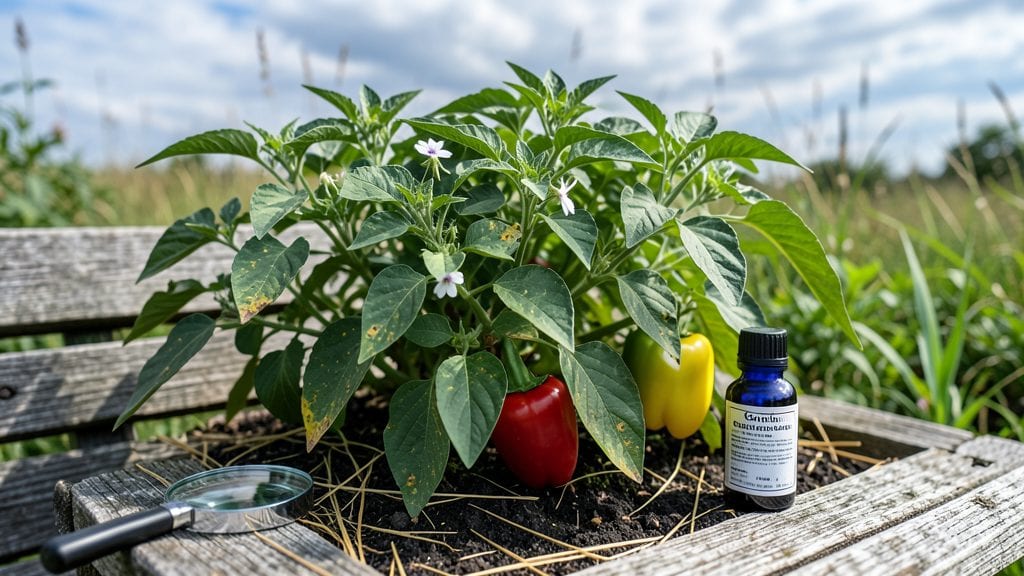
Pepper plant diseases can turn your thriving garden into a sad, spotted mess—unless you catch them early. 🌿 I’ve lost entire harvests to bacterial spot and powdery mildew, but learning to spot these issues fast saved my next batch.
The key is knowing what to look for: yellowed leaves, dark spots, or fuzzy white coatings that appear overnight.
Most problems start with simple mistakes—overwatering, crowded plants, or ignoring airflow. My biggest lesson? Spacing matters: keep peppers at least 18 inches apart and prune lower leaves to improve airflow. Even a small change can stop fungal spores from taking hold before they spread.
Once you spot trouble, act fast with organic fixes: neem oil for mildew, copper spray for bacterial spot, or a baking soda mix for early signs. I’ve seen plants bounce back in 3-5 days when treated early—no harsh chemicals needed.
The goal is to nip it in the bud before it ruins your harvest.
Prevention is easier than cleanup: rotate crops yearly, water at the base (not the leaves), and pick peppers regularly to encourage growth. These habits cut your risk by half. Let’s turn your pepper patch back into a productive powerhouse.
Root Causes Of Pepper Plant Struggles
Pepper plants, like any living organism, are vulnerable to diseases when their balance is disrupted. Understanding why these issues arise is the first step to prevention.
Below, we break down the key factors that create the perfect storm for pepper plant diseases—so you can nip them in the bud before they take hold.
Pepper plants thrive in warm, stable conditions, but extremes—whether too hot, too cold, or overly humid—can weaken their defenses and invite pathogens.
- Cold Stress: Temperatures below 50°F (10°C) slow down metabolic processes, making plants more susceptible to fungal infections like Phytophthora or downy mildew. Cold soil also stunts root growth, reducing nutrient uptake and stressing the plant.
- Heat Stress: While peppers love warmth, prolonged exposure above 95°F (35°C) can scorch leaves, creating entry points for bacteria and viruses. High heat also increases transpiration, drying out plants and making them more vulnerable to bacterial spot.
- Excessive Humidity: Stagnant, damp air (especially above 80% humidity) fosters fungal spores. Poor air circulation in greenhouses or crowded gardens traps moisture on leaves, leading to powdery mildew or anthracnose.
💡 Pro Tip: Use a hygrometer to monitor humidity and a fan for airflow. Mulch with straw to regulate soil temperature and reduce evaporation.
Water is life—but too much of it drowns pepper plants, creating the ideal breeding ground for root rot and soil-borne diseases.
- Waterlogged Soil: Peppers hate "wet feet." When soil stays soggy for more than 24–48 hours, oxygen is depleted, and beneficial microbes die off. This allows Pythium and Phytophthora fungi to thrive, rotting roots and stems.
- Fungal Spores in Standing Water: Puddles or saturated containers (like saucers under pots) create a film of water where fungal spores germinate. Alternaria and Fusarium often spread this way.
- Salt Buildup from Overwatering: Excessive irrigation (especially with tap water high in chlorine or minerals) leads to salt stress, weakening plants and making them prone to bacterial leaf spot.
🔥 Action Step: Always check soil moisture with your finger—water only when the top 1–2 inches are dry. Use well-draining pots with holes and raised beds to prevent water pooling.
Diseases often hitch a ride on dirty hands, tools, or reused soil. Pepper plants can’t fight off pathogens if their growing environment is already compromised.
- Reused or Infected Soil: Old garden soil may harbor Verticillium wilt or southern blight from previous crops. Even compost can contain dormant fungal spores if not properly heated (140°F/60°C for 3 days).
- Cross-Contamination from Tools: Pruners, stakes, or gloves carrying Xanthomonas (bacterial spot) or TMV (tobacco mosaic virus) can transfer pathogens when moving between plants.
- Weakened Plants from Poor Nutrition: Soil lacking potassium or phosphorus stresses peppers, making them easier targets. Nitrogen deficiency also thins leaves, increasing sunburn risk and disease entry points.
🌡️ Prevention Checklist:
- Sterilize tools with 70% isopropyl alcohol or a 10% bleach solution between uses.
- Test soil for pH (ideal: 6.0–6.8) and amend with compost or balanced fertilizer (e.g., 10-10-10).
- Avoid planting peppers in the same spot yearly—crop rotation disrupts disease cycles.
Pests don’t just damage leaves—they create wounds that let diseases in. Some insects even carry pathogens directly to your plants.
- Aphids & Whiteflies: These sap-sucking pests excrete honeydew, a sticky residue that fosters sooty mold (a fungal growth). They also spread viral diseases like pepper mild mottle virus.
- Thrips & Spider Mites: Their feeding scars on leaves create entry points for bacterial spot (Xanthomonas campestris). Thrips also transmit tospoviruses.
- Root-Knot Nematodes: These microscopic worms burrow into roots, causing galls that block water and nutrient uptake. Stressed roots are prime targets for Fusarium wilt.
🎯 Early Intervention: Inspect plants weekly for pests. Use neem oil or insecticidal soap for soft-bodied bugs, and beneficial nematodes for nematodes in soil.
By addressing these root causes—temperature, water, soil health, and pests—you’ll create an environment where pepper plants stay strong and diseases struggle to take hold. Next, we’ll dive into how to spot these issues early so you can act fast.
Fixing fungal, bacterial, and pest problems
Now that you’ve identified the culprit behind your pepper plant’s distress, it’s time to take action! The key is to act fast and precisely—each issue requires a tailored approach.
Below, we’ll map out step-by-step solutions for common pepper plant diseases and pests, along with prevention tips to keep your plants thriving. Think of this as your emergency repair guide for ailing peppers!
Fungi thrive in damp, warm conditions, so drying out the plant and improving airflow is your first line of defense.
🔥 Powdery Mildew: Scrub and Spray
How to Fix It:
- Remove infected leaves (🔪) with sterilized scissors—don’t compost them; throw them away.
- Wipe down remaining leaves with a neem oil solution (1 tbsp neem oil + 1 tsp mild soap + 1 quart water) or a baking soda spray (1 tsp baking soda + 1 quart water + a drop of soap).
- Space plants wider apart (➡️) to improve airflow—aim for 12–18 inches between plants.
- Water at the base (💧) in the morning so leaves dry quickly.
Prevention Tips: ✅ Water early in the day to reduce humidity overnight. ✅ Avoid overhead watering—use drip irrigation or soaker hoses. ✅ Rotate crops—don’t plant peppers in the same spot year after year.
🌡️ Bacterial Leaf Spot: Quarantine and Clean
How to Fix It:
- Prune infected leaves immediately (🍃) and sterilize tools with rubbing alcohol between cuts.
- Apply copper fungicide (🛡️) every 7–10 days until the problem clears up.
- Remove and destroy (🔥) all plant debris from the garden bed.
- Disinfect soil by adding compost or well-rotted manure to improve drainage.
Prevention Tips: 💡 Sanitize tools before and after use—bacteria spread easily! 💡 Use resistant varieties like ‘Aristotle’ or ‘Carmen’ if bacterial spot is common in your area.
🍅 Root Rot: Save the Roots, Save the Plant
How to Fix It:
- Stop watering immediately (🚰) and let the soil dry out.
- Repot the plant (🌱) in fresh, well-draining soil (mix in perlite or sand).
- Trim mushy, black roots (✂️) with clean scissors.
- Move to a shadier spot (🌿) for a few days to reduce stress.
Prevention Tips: ✨ Improve drainage—raise beds or add organic matter to heavy clay soil. ✨ Avoid overwatering—stick your finger in the soil; water only when the top 1 inch is dry.
Pests like aphids, spider mites, and thrips can weaken peppers fast. Early intervention is key!
🐜 Aphids and Spider Mites: Blast and Drown
How to Fix It:
- Spray with a strong jet of water (💦) to knock off pests.
- Apply insecticidal soap (🧼) or neem oil (🌿) every 3–5 days until gone.
- Introduce beneficial insects—ladybugs and lacewings love aphids!
Prevention Tips: 🎯 Inspect new plants before bringing them home. 🎯 Use reflective mulch (like aluminum foil) to deter pests.
🪰 Thrips: Sticky Trap and Spray
How to Fix It:
- Set up blue or yellow sticky traps (🎨) near plants to catch adults.
- Wipe leaves with soapy water (🧽) to remove eggs.
- Spray with neem oil (🌿) or kaolin clay as a protective barrier.
Prevention Tips: ✨ Remove weeds—they attract thrips! ✨ Use row covers (🏞️) for young plants to block pests.
No matter the issue, these quick fixes can help your peppers bounce back:
- Fertilize lightly (🌱) with a balanced 10-10-10 or fish emulsion to boost recovery.
- Mulch with straw (🌾) to retain moisture and deter soil-borne diseases.
- Give them shade (☀️🔄) if they’re struggling—too much sun stresses weak plants.
Final Pro Tip: 💡 When in doubt, isolate! If you’re unsure what’s wrong, quarantine the plant to prevent spreading issues to your healthy peppers. Better safe than sorry!
Frequently asked questions
What are the most common signs my pepper plants have a disease?
Watch for yellowing leaves, dark spots (especially with yellow halos), or fuzzy white coatings on foliage. Wilting despite moist soil or stunted growth can signal root rot or bacterial infections. Check the undersides of leaves first—many fungal issues start there.
Can I still use peppers from my plants if they have minor disease spots?
Only if the spots are isolated and the fruit itself is unaffected. Remove all infected leaves immediately, but harvest peppers from healthy branches. Never eat peppers with visible lesions or mold—some diseases (like bacterial spot) can contaminate the fruit.
How do I know if my pepper plant has a fungal or bacterial infection?
Fungal diseases (like powdery mildew) create white powdery coatings or dark, circular spots with fuzzy edges. Bacterial infections show up as water-soaked spots that turn brown/yellow with oily edges. Test with a clean tool—fungal growth wipes off, while bacterial spots leave residue.
Will homemade remedies like baking soda really work for pepper diseases?
Yes! A 1-teaspoon baking soda + 1-quart water + drop of soap spray helps prevent powdery mildew by raising leaf pH. For bacterial spot, mix 1 tablespoon neem oil + 1 teaspoon mild soap + 1 quart water and apply every 7 days. Always test on a small leaf first.
How long does it take to see improvement after treating pepper diseases?
With early treatment, you may see results in 3-5 days for mildew or leaf spot. Severe cases (like root rot) take 2-3 weeks to recover. Monitor humidity, airflow, and watering—if conditions don't improve, the problem will persist. Consistency is key!