
Pests and Diseases
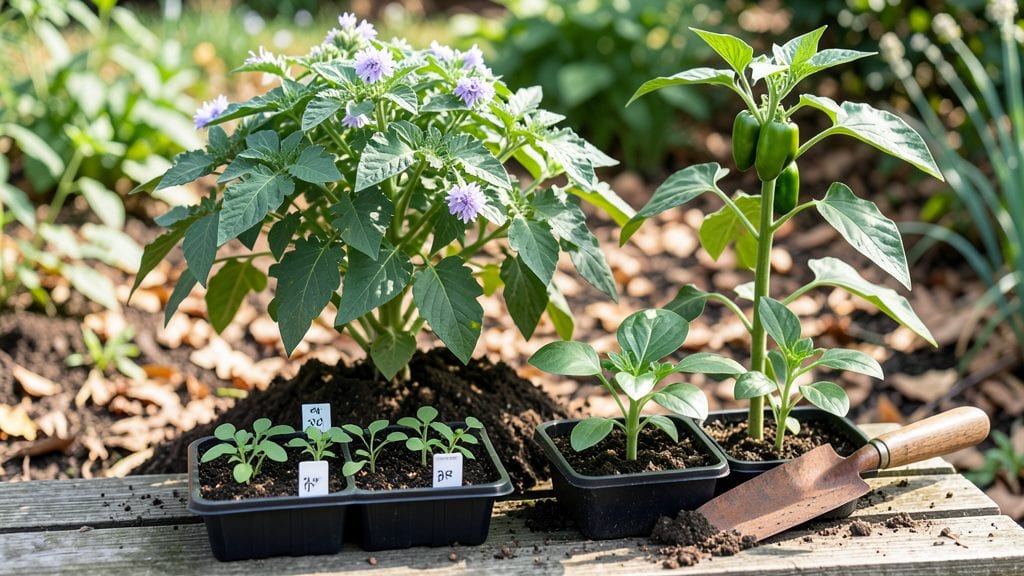
You should avoid planting peppers and potatoes together because they share common soil-borne diseases like verticillium and fusarium wilt, which can devastate both crops. Their differing nutrient needs and growth habits also create competition for resources, reducing yields. Instead, plant peppers with basil, onions, or spinach for better compatibility.
These two crops are particularly vulnerable to the same fungal pathogens, which thrive in the soil and can linger for years. 🌱 When peppers and potatoes are grown side by side, the risk of infection skyrockets, often leading to stunted growth or complete crop failure.
The issue isn't just immediate—it affects future plantings too, since these diseases persist in the soil even after the plants are removed.
For healthier gardens, separate these crops by at least 10 feet if you must grow them in the same area. Instead, pair peppers with herbs like basil or onions, which actually improve flavor and deter pests.
Potatoes, on the other hand, thrive near beans or corn, creating a natural balance that benefits both plants.
💡 In This Article
- Shared Soil Diseases Between Peppers and Potatoes
- Best Companion Plants for Peppers and Potatoes
Shared soil diseases between peppers and potatoes
Here's what's actually happening underground: both peppers and potatoes are highly susceptible to verticillium wilt and fusarium wilt, two fungal diseases that thrive in the same soil conditions. These pathogens produce microscopic spores that can survive in soil for up to 15 years, waiting for vulnerable hosts.
When peppers and potatoes grow nearby, the fungal networks spread rapidly through their root systems, creating a perfect storm for infection.
The key factor is how these diseases spread. Verticillium wilt enters plants through root wounds and spreads via the plant's vascular system, blocking water flow and causing yellowing leaves that eventually wilt—even in hot weather. Fusarium wilt works similarly but often appears as stunted growth with purple-tinged stems.
Both diseases are particularly aggressive in warm, moist soils (ideal for both crops), where fungal growth accelerates. 🌱 What most people don't realize is that infected plant debris left in the soil acts like a disease reservoir, ensuring future crops face the same risks.
You'll notice symptoms early in the season: peppers develop yellowing between veins (a classic sign of vascular blockage), while potatoes show brown, sunken lesions on tubers and wilting foliage. The diseases don't just affect the plants above ground—they also reduce tuber quality in potatoes and pepper fruit production.
This dual vulnerability means that when these crops share space, one infected plant can quickly compromise the entire garden section.
Long-term soil health takes a major hit too. Repeatedly planting these crops together (or in rotation without proper fallow periods) creates a "disease hotspot" in your garden. The fungal populations become so dense that even resistant varieties struggle.
Studies show that soil infected with verticillium wilt can reduce yields by 30-50% in subsequent plantings, even if you switch to different crops. The economic and nutritional cost of this cycle makes separation essential for sustainable gardening.
There's one more critical detail: early blight (another common disease) also affects both crops, though it's less persistent in soil. This airborne fungus thrives in the same conditions and appears as concentric rings on leaves.
While it doesn't survive as long as verticillium or fusarium, its presence compounds the stress on plants already weakened by other soil-borne pathogens. The combined pressure makes these crops particularly poor neighbors in the garden ecosystem.
The science behind this involves something called "host specificity" - these fungi have evolved to recognize and attack both solanaceous plants (potatoes) and nightshades (peppers). This shared vulnerability creates what gardeners call a "disease triangle" of host, pathogen, and environment—all perfectly aligned when these crops grow together. 💫