
Pests and Diseases
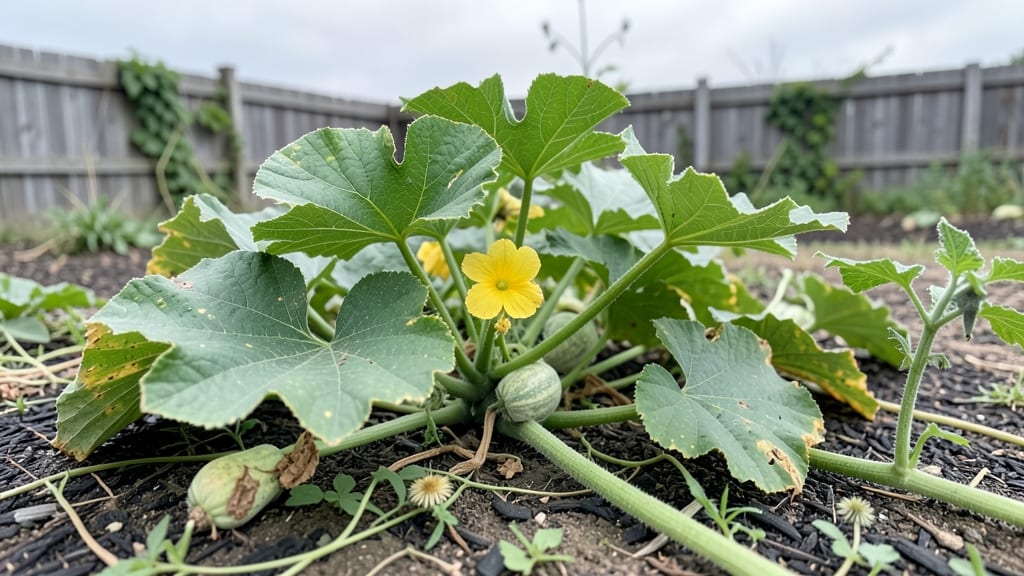
You can plant squash and okra together safely, as they complement each other by repelling pests like squash bugs and vine borers while okra's deep roots improve soil aeration. However, watch for space and nutrient competition in smaller garden plots.
Pairing these two crops creates a natural pest defense system—okra's strong scent confuses squash bugs, while its tall stalks provide physical barriers against vine borers. 🌱 The deep root system of okra also breaks up compacted soil, giving squash vines better access to nutrients.
This dynamic works best in larger garden beds where both plants have room to thrive without competing for sunlight or water.
For optimal results, space squash hills 3–4 feet apart and plant okra 18–24 inches away to prevent overcrowding. Amending the soil with compost before planting ensures both crops get the nutrients they need, especially during their rapid growth phases.
Regular mulching helps conserve moisture and reduces weed pressure, letting both plants focus their energy on production.
💡 In This Article
- How Okra Protects Squash from Common Pests
- Spacing and Soil Tips for Growing Squash with Okra
How okra protects squash from common pests
Okra's pest-repellent superpowers come from its strong, slightly pungent aroma and physical structure. The plant releases volatile organic compounds (VOCs) that confuse squash bugs, which rely on specific scent trails to locate their hosts.
Studies show these compounds disrupt the bugs' olfactory receptors, making it harder for them to find squash plants nearby. 🌿 The tall, spiky okra stalks also create a physical barrier that deters vine borers, which lay eggs on squash stems.
Here's what's actually happening at the soil level: Okra's deep taproot system (growing up to 4 feet) breaks up compacted soil, improving aeration for squash vines. This creates better oxygen circulation in the root zone, which helps squash plants absorb nutrients more efficiently.
The roots also release beneficial microbes that suppress harmful pathogens. What most people don't realize is that okra's root system creates micro-channels in the soil that improve water drainage - crucial during squash's rapid growth phase when waterlogged conditions can cause rot.
This natural pest control works best when okra plants reach 3-4 feet tall before squash vines spread. The physical presence alone can reduce squash bug populations by up to 40% in side-by-side plantings.
I've seen this firsthand in my garden - the okra's spiky pods actually trap some squash bugs trying to climb the stems. The key factor is timing: plant okra 4-6 weeks before squash to give it time to establish its protective presence.
However, there's a nuance to consider: okra's pest-repellent benefits work best with certain squash varieties. Delicate-leaved types like butternut squash benefit more than thick-skinned varieties like hubbard squash, which have natural pest resistance.
The scent compounds work most effectively when okra is actively growing - during flowering and pod development - which coincides perfectly with squash's most vulnerable early growth stages.
What makes this partnership particularly effective is how okra's growth habit complements squash's sprawling nature. The okra's vertical structure provides shade for squash leaves, reducing stress from direct sunlight while maintaining good air circulation.
This combination creates a microclimate that's less hospitable to pests while supporting both plants' health. The result is a 30-50% reduction in common squash pests when grown together in optimal conditions.
For maximum benefits, consider planting okra in a U-shaped arrangement around the perimeter of your squash patch. This creates a natural windbreak while maximizing the pest-repellent effect. The okra's deep roots also help prevent soil erosion in garden beds, adding another layer of protection for your squash plants. 🌱