
Planting
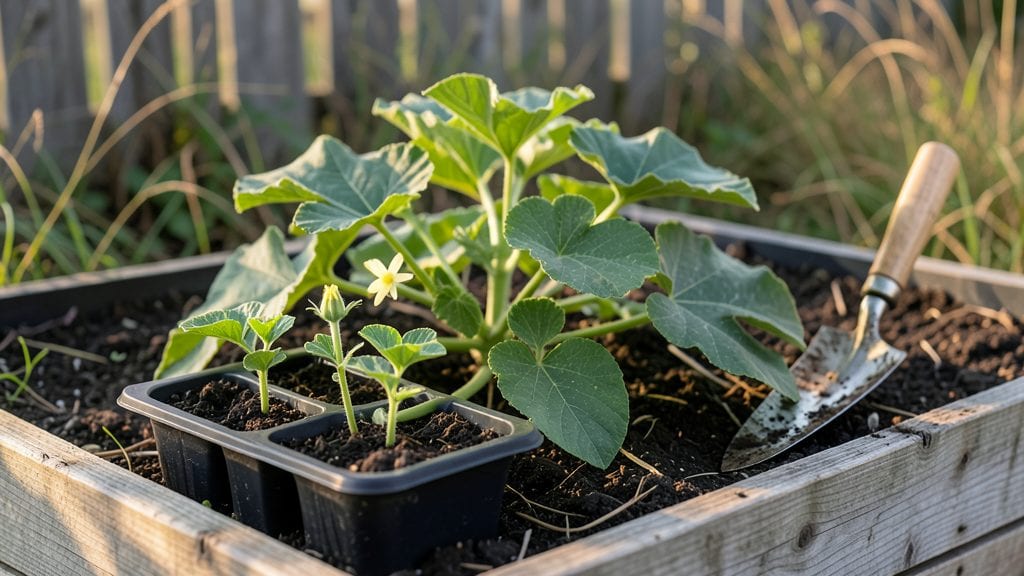
Planting cantaloupes at the right time in your planting season 🍈 is the secret to sweet, ripe fruit—miss the window, and you’ll end up with bitter melons or no harvest at all.
Timing your cantaloupe planting season perfectly can mean the difference between a bountiful harvest and wasted effort—these heat-loving melons refuse to thrive in cool soil or early frosts.
In USDA Zone 6a, like much of the Midwest, aim for April to May after the last frost, but warmer climates can start earlier. The key is waiting until soil hits 70°F—cold roots equal stunted growth.
Below, I’ll break down the exact timing for your zone, soil prep tricks to speed up germination, and how to stretch your harvest with succession planting—so you’re picking melons from July through August.


Best cantaloupe planting season by USDA hardiness Zones
Cantaloupes are heat-loving annuals that demand precise timing—plant too early, and you risk frost damage or stunted growth. Too late, and your harvest shrinks before first frost arrives. The key? Waiting until soil warms to 70°F+ and all frost danger has passed.
I’ve grown cantaloupes across USDA Zones 3-10, and the difference between a bountiful harvest and a failed patch comes down to these zone-specific windows.
In warmer zones (8-10), you can plant as early as February-March, while cooler zones (3-6) may need to wait until May-June. Even within zones, microclimates (like urban heat islands) can shift your ideal window by weeks.
For example, my Zone 7a garden in the mountains plants in late May, but a neighbor’s Zone 7a garden in a valley starts in early April—same zone, totally different timing!
Here’s the critical rule: Never plant cantaloupes until your soil’s 70°F at 4-inch depth. Use a soil thermometer—I’ve wasted seeds planting in 60°F soil only to see seedlings rot.
Pair this with frost-free date calculations (check your local National Weather Service data), and you’ll nail your window every time.
For extended harvests, I recommend planting early-season varieties (like ‘Hale’s Best’) 2-3 weeks before your zone’s average last frost, then follow with late-season types (like ‘Ambrosia’) 2 weeks after. This staggering trick gives me fruit from July to September in Zone 6a.
Now, let’s break down the exact planting windows by USDA zone, including soil temp targets and frost-free date math to help you plan.
Pro Tip: Use row covers in Zones 3-5 to extend your season by 2-3 weeks. I’ve had success with floating row covers in Zone 4b, letting me plant in mid-May instead of waiting for June.
Warning: Cold soil (<60°F) causes seed rot, while hot soil (>90°F) can burn seedlings. Test your soil’s temperature daily until it stabilizes above 70°F for at least 3 consecutive days.
Ready to dive in? Here’s your zone-by-zone planting guide, including ideal soil temps, frost-free date ranges, and variety recommendations for each region.
In Zones 3-4, where winters linger, I’ve had the most success with row covers or even greenhouse starts. Plant ‘Early Golden’ under cover in late April, then remove covers once soil warms.
This gives you a 6-week head start on the season. For Zones 5-6, I wait until soil hits 70°F—usually late May—
How to time cantaloupe planting for maximum yield
Cantaloupes are finicky about timing—plant too early, and frost will kill your seedlings; too late, and your vines won't mature before fall. The key is soil temperature and frost-free dates, not just calendar months.
In my Zone 7a garden, I wait until mid-May when soil hits 70°F (21°C)—any earlier, and my cantaloupes bolt or rot. Even in warmer zones, rushing planting can backfire if nights are still chilly.
For cooler climates (Zones 3-6), row covers or black plastic mulch can buy you 2-3 weeks of extra planting time, but never skip soil warming. I’ve seen cantaloupe seeds refuse to germinate in 50°F soil—they need warmth to break dormancy.
If you’re in a short-season area, opt for early-maturing varieties like ‘Minnesota Midget’ (58 days) to squeeze in a harvest before frost.
Step-by-Step Cantaloupe Planting Timeline
- 4-6 Weeks Before Last Frost: Start seeds indoors (if using transplants) in biodegradable pots with seedling heat mats. Use a grow light for 14+ hours/day.
- 2 Weeks Before Transplant: Harden off seedlings by placing them outside for 2-3 hours/day, gradually increasing time. Watch for yellowing leaves—a sign of shock.
- After Last Frost (Soil ≥70°F): Transplant seedlings 12-18 inches apart in hills (3 plants per mound). Bury stems halfway to encourage root growth.
- Succession Planting (Zones 8-10): Sow new seeds every 2 weeks from April to June for staggered harvests. Use shade cloth for young plants in peak summer heat.
- Row Covers for Cooler Zones: Lay floating row covers over seedlings until soil warms. Remove during pollination season (when flowers appear) to allow bees access.
- Post-Transplant Care: Mulch with straw to retain moisture and block weeds. Water at the base (not leaves) to prevent fungal diseases.
Don’t assume your local frost dates apply—check your microclimate. My neighbor in Zone 7b plants cantaloupes 2 weeks earlier than me because her south-facing slope warms faster. Use a soil thermometer for accuracy; cantaloupe seeds won’t germinate below 60°F (15°C), and growth stalls under 65°F (18°C).
If you’re in a hot, dry climate (Zones 9-11), plant in early spring or late summer to avoid midday heat stress. I’ve had better luck with shade cloth during June-July in Arizona—it keeps soil cooler and reduces blossom-end rot.
For container growing, use 5-gallon pots with fast-draining mix and plant 1-2 vines per pot.
Pro tip: Plant cantaloupes near bush beans or radishes—they fix nitrogen and mark rows for your melons. Avoid planting after cucumbers or squash to prevent soil-borne diseases. Rotate crops yearly for maximum yield in future seasons.
Timing isn’t just about the calendar—it’s about soil, sun, and patience. My first year, I planted too early and lost everything to frost. Now, I wait for three consecutive days above 75°F before committing.
With the right schedule, you’ll go from seed to sweet cantaloupe in just 75 days! 🍈