
Pruning
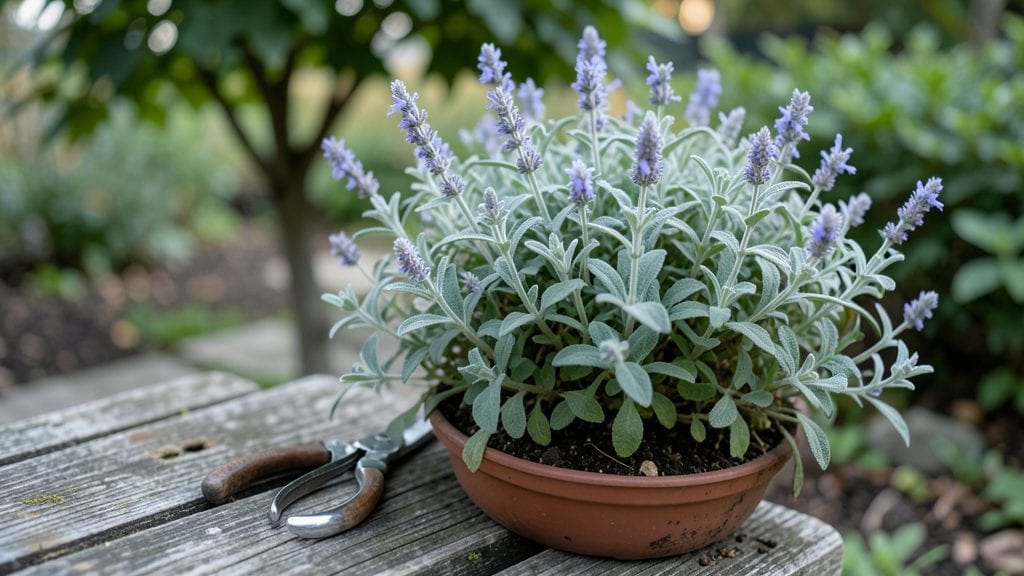
Your catmint plant pruning game changes everything—once you master these two deadheading tricks, you’ll have blooms from spring through frost. 🌿 I’ve spent years watching catmint flop after aggressive pruning, but the right cuts keep it lush and flowering longer than most perennials.
The secret isn’t just timing; it’s how you shape the plant to encourage new growth without stressing it.
You’ll need sharp pruners, gloves (catmint is scratchy!), and a clear morning for the job. Start by cutting back spent blooms to just above the first set of healthy leaves—this triggers fresh flowers.
For late-summer rejuvenation, trim the entire plant by one-third to promote bushier, more compact growth before winter. Most gardeners stop here, but the second trick—selective thinning—keeps air flowing and prevents mildew.
After pruning, your catmint will bounce back with vibrant new shoots within weeks. The flowers stay dense and fragrant, and the plant resists flopping like overgrown varieties. Even in hot summers, this method keeps catmint looking intentional, not wild.
The best part? You’ll avoid the common mistake of cutting too late—wait until after the first frost to do any major shaping.
Works for both Nepeta varieties and walkerlow catmint, though the timing shifts slightly for mildew-prone zones. Let’s get those shears ready—your catmint’s about to become the showstopper of the garden.
📚 In This Guide
- What you need
- Instructions
- Tips and common mistakes
- Wrapping up and next steps
What you need
- ● Pruning shears – Bypass pruners (sharp, clean blades, 5–7 inch size) for precision cuts. Dull shears crush stems!
- ● Hand pruners – Anvil-style (for thicker stems, 6–8 inch size) if your catmint has woody growth.
- ● Gloves – Garden gloves (nitrile-coated for grip, size medium/large) to protect hands from prickly stems.
- ● Disinfectant – Rubbing alcohol (70%+) or hydrogen peroxide (3%) to sterilize tools between cuts and prevent disease.
- ● Trash bag or bucket – For collecting pruned stems and debris.
- ● Water spray bottle – To mist tools and stems if they’re sticky with sap.
- ● Loppers – For larger, established catmint bushes (8–12 inch blades).
- ● Hose with nozzle – To rinse off tools and clean up sap residue.
- ● Plant food – Balanced fertilizer (10-10-10) or compost to nourish the plant post-pruning.
- ● Notebook & pen – To jot down pruning dates or notes on plant health.
- ● Knee pad or stool – For comfort if your catmint is ground-level or tall.
Instructions for pruning catmint to extend the blooming season
Here’s how to keep your catmint flowering like clockwork—no guesswork, just proven techniques.
✂️ Step 1: First Cut After Initial Blooms Fade
Wait until about 50% of the flowers on a stem have faded—this signals the plant to redirect energy into fresh buds. Use clean, sharp pruners to cut back stems by one-third of their height. I always make cuts just above a set of healthy leaves or a leaf node, which encourages branching and denser growth.
This first pruning happens in early summer, right after the first flush of blooms. If you cut too early, you’ll remove potential flowers; too late, and you’ll miss the chance to trigger a second flush. Watch for spent blooms turning brown—that’s your cue.
✂️ Step 2: Late-Season Renewal for Fall Color
In mid-to-late summer, give your catmint a second chance by cutting back stems again—this time by half their height. The goal here is to stimulate a late-season bloom that often lasts until frost. I prune on a dry morning to reduce stress on the plant and avoid fungal risks from wet foliage.
After this cut, your catmint may take 3-4 weeks to rebound, but the payoff is worth it: fresh purple spikes that attract pollinators right up until winter. If your plant looks leggy afterward, don’t worry—it’s just adjusting to its new shape.
🌿 Step 3: Light Pruning in Spring for Shape and Health
Before new growth begins in early spring, remove any dead, damaged, or crossing branches with your pruners. This keeps air circulating and prevents disease. I never cut more than 10% of the plant’s height in spring—just enough to tidy up and encourage fresh, vigorous shoots.
Spring is also the time to shape your catmint if it’s grown uneven. Step back and look at the plant as a whole—aim for a natural, rounded form. Avoid cutting into old wood (woody stems), as catmint struggles to regrow from there.
⏰ Step 4: Year-End Cleanup to Prevent Disease
In late fall, after the last frost, cut back the entire plant to 4-6 inches tall. This removes spent growth that could harbor pests or fungal spores over winter. I always use sterilized pruners for this step to prevent cross-contamination between plants.
Leave the cuttings in the garden as mulch—they’ll decompose and return nutrients to the soil. If your catmint looks particularly woody or overgrown, you can cut it back even shorter, but never remove more than ⅓ of the plant’s height in one season.
Tips & tricks for perfect catmint pruning
These proven strategies will help you extend your catmint’s blooming season while keeping your plants healthy and vibrant.
Timing is Everything: The 50% bloom fade cue in Step 1 is your golden window—cut too early and you lose potential flowers, too late and you miss the chance for a second flush. I've found that early summer timing (around late June) works best in most climates, but always check for those browned blooms before pruning.
Pruning Precision: When cutting back by one-third in Step 1 or half in Step 2, always make clean cuts just above a leaf node or set of healthy leaves. This simple technique encourages branching and creates that lush, bushy appearance. I use sterilized pruners for every cut to prevent disease transmission between plants.
Seasonal Adaptation: The 3-4 week rebound time mentioned in Step 2 can vary dramatically based on your climate. In cooler regions, your catmint might need the full 4 weeks, while warmer areas could see new growth in just 2 weeks. Watch for fresh shoots rather than relying strictly on the timeline—your plant will tell you when it's ready.
Year-End Strategy: That 4-6 inch height recommendation in Step 4 is perfect for most catmint varieties, but if your plant looks particularly woody, you can safely cut back to 3 inches. The key is never removing more than one-third of the plant's height in any single season—this prevents stress and maintains vigor for next year's blooms.
Pro Tips for Catmint Plant Pruning
- These proven strategies will help you extend your catmint’s blooming season while keeping your plants healthy and vibrant.
- Timing is Everything: The 50% bloom fade cue in Step 1 is your golden window—cut too early and you lose potential flowers, too late and you miss the chance for a second flush.
- Pruning Precision: When cutting back by one-third in Step 1 or half in Step 2, always make clean cuts just above a leaf node or set of healthy leaves.
Frequently asked questions
When is the best time to prune catmint for continuous blooms?
Prune catmint twice a year for best results: early spring (just as new growth appears) to shape the plant and encourage bushiness, and after the first flush of summer blooms (late June or July) to trigger a second round of flowers. Avoid heavy pruning in fall—just tidy up dead stems to prep for winter.
Can I prune catmint too much? What are the signs?
Yes! Over-pruning—especially cutting back more than 1/3 of the plant at once—can stress catmint and reduce flowering. Signs of over-pruning include bare stems, stunted growth, or no new blooms. If you’ve gone overboard, trim lightly in spring and fertilize to encourage recovery.
How long does it take for catmint to bounce back after pruning?
Catmint is resilient! With proper pruning, you’ll see new growth within 2–4 weeks in spring. Summer pruning may take 3–6 weeks for fresh blooms to appear, depending on your climate. Patience pays off—healthy catmint rewards consistent care with months of color!
What if my catmint looks leggy or woody after pruning?
Leggy or woody growth happens when catmint isn’t pruned enough or gets too much shade. Revive it by:
- Pruning back 1/3 of the oldest stems in early spring to encourage new, bushier growth.
- Moving it to a sunny spot (6+ hours of light daily) if possible.
- Fertilizing lightly with low-nitrogen, high-phosphorus fertilizer to promote blooms over foliage.
Should I prune catmint in winter? What about frost?
Skip heavy pruning in winter—wait until early spring (after the last frost). However, you can lightly trim dead or damaged stems in late fall to improve airflow and reduce disease risk. If your catmint is perennial in your zone (5–9), it’ll survive winter dormancy with just a protective layer of mulch.
Wrapping up and next steps
Pruning your catmint doesn’t have to be intimidating—it’s all about timing, technique, and a little patience! 🌿 With the right deadheading tricks and seasonal cuts, you’ll enjoy vibrant blooms year-round while keeping your plant healthy and lush.
Whether you’re a beginner or a seasoned gardener, these simple steps will transform your catmint into a thriving, long-flowering star.
Now that you’re armed with the know-how, grab those pruners and get pruning! 🌸 Start with a quick check of your plant, then follow the steps to keep it flourishing. Happy gardening—and enjoy those fragrant, colorful blooms all season long!