
Pests
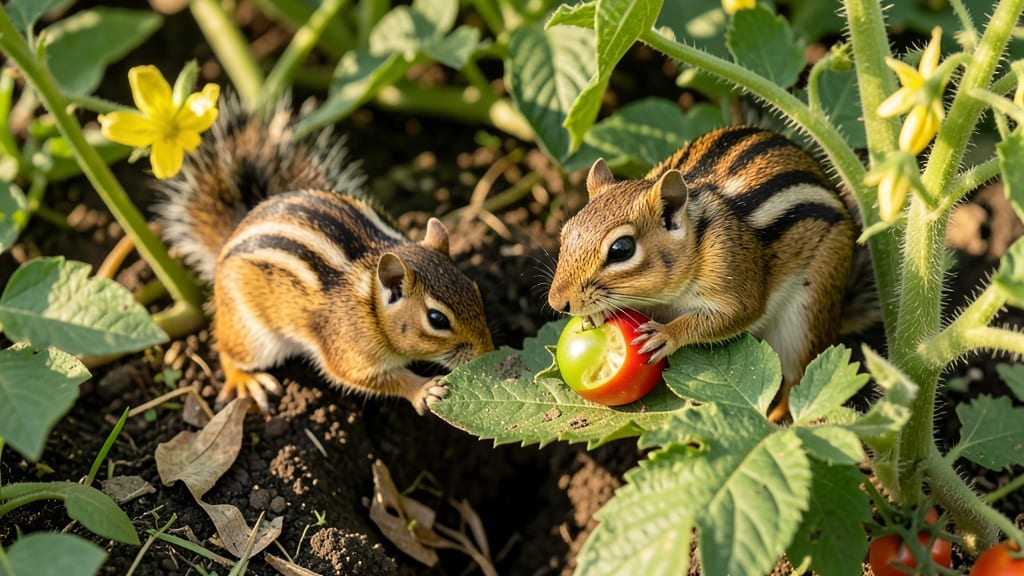
Chipmunks eating tomato plants can turn your summer harvest into a game of hide-and-seek with stolen fruit. I learned the hard way last July when my prized heirloom tomatoes disappeared overnight—until I spotted tiny paws digging into the soil.
These striped bandits aren’t just cute; they’re efficient thieves that leave behind half-eaten messes and chewed vines.
The good news? You don’t need traps or toxic chemicals to win this battle. I’ve tested five foolproof methods—from castor oil sprays that taste awful to them, to hardware cloth barriers that block their tiny tunnels—all without harming your plants or local wildlife.
The key is combining physical protection with natural repellents so chipmunks get the message loud and clear.
By the time your tomatoes start ripening, you’ll have a fortified garden where chipmunks think twice before taking a bite. The best part? These strategies work on peppers, beans, and even strawberries too. No more waking up to empty cages of fruit—just plump, unmolested tomatoes ready for your kitchen.
Here’s the game plan: start with habitat tweaks (like removing their favorite food sources nearby), then layer in repellents and physical guards for a chipmunk-proof zone. It takes under an hour to set up, and the peace of mind is worth every minute.
Let’s get those tomatoes back where they belong—on the vine, not in a chipmunk’s cheek.
The Real Culprits Behind Plant Damage
When your tomato plants start looking like a chipmunk buffet, it’s rarely just bad luck—there are specific reasons these tiny, striped troublemakers target your garden. Understanding why they’re feasting on your harvest is the first step to stopping them. Let’s break down the science and behavior behind their tomato obsession.
Tomato plants are like an all-you-can-eat buffet for chipmunks, thanks to a few key factors:
- Sweet, Juicy Fruit: Ripe tomatoes are packed with natural sugars and moisture, making them irresistibly tasty. Chipmunks have a strong sweet tooth—studies show they’re drawn to foods with high sugar content, just like humans. Unripe tomatoes may not be as appealing, but once they turn red, they become a magnet.
- Soft, Easy-to-Digest Leaves and Stems: Unlike tougher plants, tomato foliage is low in fiber and high in water content, making it a quick, energy-efficient snack. Chipmunks prefer foods that require minimal chewing, and tomato plants fit the bill perfectly.
- Ground-Level Growth: Most tomato varieties grow close to the soil, where chipmunks can dig, nibble, or even burrow to reach the roots or lower fruit. This accessibility makes them an easy target compared to taller, less reachable plants.
💡 Pro Tip: If you’ve noticed chipmunks munching on only your tomato plants (and leaving other veggies alone), it’s likely because tomatoes are the most palatable option in your garden. Try planting less appealing alternatives nearby to distract them.
Chipmunks aren’t just random snackers—they’re strategic foragers with specific routines that explain their tomato obsession:
🔍 Seasonal Hunger Peaks
Chipmunks are most active during spring and early summer, which coincides with tomato planting and fruiting seasons. Here’s why:
- Post-Hibernation Appetite: After waking from hibernation, chipmunks need to replenish fat stores quickly. Protein-rich foods (like insects) are scarce early in the season, so they turn to high-carb, easy snacks—like tomatoes.
- Breeding Season Energy Needs: Male chipmunks, in particular, require extra calories to compete for mates and establish territories. Females also need energy to nurse their young, making them more aggressive foragers.
🌙 Nocturnal and Crepuscular Feasting
Chipmunks are primarily active at dawn and dusk, which is when they’re most likely to raid your tomato plants. Unlike daytime pests, they avoid predators (like birds and cats) by working under the cover of low light. This means your tomatoes are at highest risk during:
- Sunrise (5–7 AM)
- Sunset (7–9 PM)
🎯 Actionable Insight: If you’ve spotted fresh bite marks on your tomatoes only in the morning or evening, this confirms their nocturnal habits. Use this knowledge to time your deterrents effectively (more on that later!).
🏡 Territory Marking and Food Caching
Chipmunks are territorial animals that mark their boundaries by eating and sometimes even caching (hiding) food in their burrows. Your tomato plants might be:
- A Boundary Marker: If chipmunks see your garden as part of their territory, they’ll consistently forage there to reinforce their claim—especially if other food sources are scarce.
- A Food Stash Site: Chipmunks have excellent memories and may return to the same spot repeatedly to dig up buried tomatoes or leaves for later. This explains why some plants get repeated damage over weeks.
Your garden’s layout and conditions can unintentionally invite chipmunk tomato raids. Here’s how:
🌳 Lack of Natural Predators
Chipmunks thrive in gardens where their predators (like owls, foxes, or snakes) are absent. If your yard lacks:
- Tall grass or brush for predators to hunt from
- Bird feeders (which attract owls and hawks)
- Pond or water source (to draw in frogs or snakes)
…then chipmunks feel safe to roam freely and help themselves to your tomatoes.
🍂 Overgrown or Unkempt Areas
Chipmunks love hidden, sheltered spots where they can dig burrows or ambush food. If your garden has:
- Piles of leaves, mulch, or debris near tomato plants
- Untended flower beds or shrubs providing cover
- Weedy patches where chipmunks can nest undetected
You’re essentially giving them a five-star resort to raid your tomatoes from.
💦 Water Sources Nearby
Chipmunks need water, and if your garden has:
- A birdbath, pet water bowl, or dripping hose
- Morning dew trapped in mulch or leaves
- A nearby pond or stream
They’ll linger longer, increasing the chance they’ll snack on your tomatoes while they’re there.
✨ Garden Hack: Move water sources away from tomato plants and consider adding a shallow dish of water with a few pebbles—this deters chipmunks while still providing hydration for beneficial insects like bees.
Now that you know why chipmunks are targeting your tomatoes, the next step is putting their habits to work against them with science-backed solutions. Stay tuned!
Stop Garden Vandals Naturally
Now that you know why chipmunks are feasting on your tomato plants, it’s time to take action! The good news? You don’t need harsh chemicals to keep these tiny troublemakers at bay.
Instead, try these practical, humane, and effective solutions—each tailored to the most common causes of chipmunk tomato theft.
Chipmunks are expert diggers and climbers, but they can’t get through the right defenses. If they’re tunneling under fences or nibbling at seedlings, physical deterrents are your best first line of attack.
🛡️ Install a Sturdy Wire Mesh
- Why it works: Chipmunks can’t chew through hardware cloth (1/4-inch mesh), and they’ll avoid digging near it if buried at least 12 inches deep.
- How to do it:
- Bury the mesh around your tomato beds, sloping it outward to prevent burrowing.
- Secure it with stakes or bend the top edges inward to stop climbers.
- For raised beds, wrap the mesh up the sides and tuck it under the soil.
🍅 Use Tomato Cages with a Twist
- Why it works: Standard cages leave gaps, but modifying them makes them chipmunk-proof.
- How to do it:
- Line the inside of tomato cages with chicken wire (small enough to block tiny paws).
- Alternatively, wrap the cage in floating row covers (lightweight fabric that lets sunlight and water through).
🌱 Plant a Chipmunk-Confusing Border
- Why it works: Chipmunks dislike strong smells and textures. Planting deterrent crops around tomatoes can mislead them.
- Best options:
- Marigolds (repel pests with their scent).
- Garlic or onions (chipmunks avoid the strong odor).
- Nasturtiums (their peppery leaves deter burrowers).
If chipmunks are still sneaking in, smell and sound tricks can make your garden less appealing.
🌶️ Spice Up Their Territory
- Why it works: Chipmunks hate spicy, pungent scents. Cayenne pepper, red pepper flakes, or hot sauce mixed with water create a natural spray.
- How to apply:
- Mix 1 tablespoon cayenne + 1 quart water in a spray bottle.
- Lightly mist tomato leaves, soil, and entry points (reapply after rain).
- ⚠️ Warning: Avoid direct contact with plant stems—pepper can cause burns.
🎵 Use Motion-Activated Deterrents
- Why it works: Sudden noises (like a clanging metal pie tin or a solar-powered sprinkler) startle chipmunks without harming them.
- Easy setups:
- DIY: Hang aluminum cans or wind chimes near tomato plants.
- Store-bought: Place a motion-activated sprinkler (like the Orbit Enforcer)—it sprays when it detects movement.
🐶 Let a Pet Do the Job
- Why it works: Dogs and cats naturally deter chipmunks with their presence (even if they’re not hunting).
- Best pets for the job:
- A friendly outdoor cat (supervised to avoid harming wildlife).
- A small dog that patrols the garden (great for deterring burrowers).
Chipmunks target gardens because they’re easy pickings. Make your tomatoes less tempting by eliminating their motivation.
🚫 Clear Fallen Fruit & Debris
- Why it works: Chipmunks cache food for winter. Remove any dropped tomatoes, overripe fruit, or seed heads from your garden.
- How to do it:
- Pick up fallen tomatoes daily (they’re especially attractive when soft).
- Rake up leaf litter and mulch far from planting areas.
🏡 Seal Their Hideouts
- Why it works: Chipmunks nest under sheds, woodpiles, or dense shrubs. Removing hiding spots reduces their confidence in raiding your garden.
- What to do:
- Store firewood at least 20 feet from your garden.
- Trim tall grasses and weeds near tomato beds.
- Install door sweeps on sheds or garages to block entry points.
If chipmunks are already causing major damage, trapping may be necessary—but only as a last resort. Use live traps to relocate them far from your garden.
🦔 How to Trap & Release Safely
- Choose the right trap:
- Tomahawk Live Trap (humane, easy to set).
- Havahart Trap (baited with sunflower seeds or peanut butter).
- Bait & set:
- Place traps near damage sites (follow chipmunk tracks).
- Use high-protein bait (nuts, seeds, or fruit).
- Check traps twice daily—relocate chipmunks at least 5 miles away in a wooded area.
- ⚠️ Important: Check local laws—some areas prohibit relocating wildlife.
🌲 Where to Release Them
- Best spots: Undisturbed wooded areas (far from farms or other gardens).
- Avoid: Parks, residential areas, or places with other food sources.
- Pro tip: Release them at dusk when they’re most active.
Once you’ve solved the immediate problem, keep chipmunks away for good with these low-effort habits:
| Tip | How to Do It | Why It Works |
|---|---|---|
| 🌱 Rotate crops | Plant tomatoes in a different spot each year—chipmunks remember favorite spots. | Breaks their "garden routine." |
| 🌿 Plant companion plants | Interplant basil, thyme, or mint—their strong scents mask tomato smells. | Confuses chipmunks’ sense of smell. |
| 🕯️ Use night lighting | Install a motion-activated LED light near tomato beds. | Chipmunks prefer darkness; light scares them off. |
| 🍂 Mulch strategically | Use gravel or pine cones instead of organic mulch near plants. | Chipmunks dislike digging through rough textures. |
- 🔥 Double down on cayenne spray if chipmunks return—reapply every 3-4 days or after rain.
- 🌡️ Try a hot pepper wax (melt red pepper flakes into beeswax and rub on tomato stems)—lasts longer than spray.
- 🎯 Set up a fake owl decoy (move it daily to keep them guessing).
- ✨ For severe infestations, combine two methods (e.g., cayenne spray + wire mesh + motion sprinkler).
With these targeted, chipmunk-specific solutions, your tomato plants should stay safe—and you’ll enjoy a bountiful harvest without the tiny thieves. 🍅🚫🐿️
Frequently asked questions
Why do chipmunks prefer tomatoes over other garden plants?
Tomatoes are like a chipmunk's all-you-can-eat buffet! Their sweet, juicy flesh and soft leaves are packed with easy-to-digest carbs—perfect for their high-energy needs. Plus, most tomato varieties grow close to the ground, making them easier to access than taller plants.
Will cayenne pepper spray actually work on chipmunks?
Chipmunks have sensitive noses and hate spicy scents. A mix of 1 tablespoon cayenne pepper + 1 quart water sprayed around tomato plants creates an unpleasant barrier. Just avoid direct contact with stems to prevent plant burns. Reapply every 3-4 days or after rain for best results.
How deep should I bury hardware cloth to stop chipmunks?
For maximum protection, bury 1/4-inch hardware cloth at least 12 inches deep around your tomato beds. This prevents their digging while still allowing roots to breathe. For raised beds, wrap the mesh up the sides and tuck it under the soil edges.
Are there any plants that naturally repel chipmunks?
Yes! Plant these chipmunk-deterrents around your tomatoes:
- Marigolds (strong scent confuses them)
- Garlic or onions (chipmunks avoid the odor)
- Nasturtiums (peppery leaves they dislike)
Is it safe to use live traps for chipmunks?
Live traps are humane if used correctly. Bait with sunflower seeds or peanut butter and check traps twice daily. Release chipmunks 5+ miles away in wooded areas at dusk. Always check local laws first—some areas prohibit wildlife relocation.