
Plants
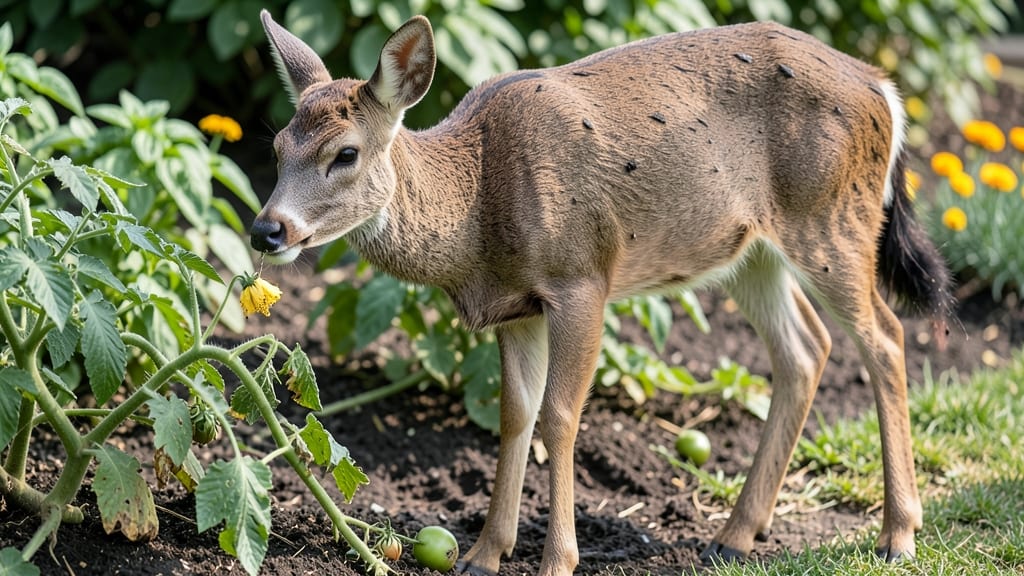
Deer frequently eat tomato plants, targeting leaves, stems, and sometimes fruit due to their high moisture and nutrient content. Young seedlings are especially vulnerable, and mature plants may suffer severe damage if left unprotected. Physical barriers and repellents are the most effective deterrents.
Deer have a particular fondness for tomato plants because they're loaded with water and nutrients that support their diet. 🌱 They especially love the tender new growth of seedlings, which is why your garden's youngest plants are often the first to disappear.
I've noticed that deer are most active during dawn and dusk, which is when they're most likely to raid your garden. The scent of tomatoes can also attract them from quite a distance, making your garden a prime target.
To protect your tomato plants, you'll want to combine physical barriers like tall fencing or protective netting with natural repellents. Deer can easily jump over low fences, so aim for at least 8 feet of height if you're using fencing.
For a more flexible solution, consider wrapping your plants in wire mesh or using commercial deer repellent sprays that contain ingredients like garlic or predator urine. These methods work best when applied consistently throughout the growing season.
💡 In This Article
- Why Deer Target Tomato Plants in Gardens
- Best Physical and Chemical Repellents for Tomato Gardens
Why deer target tomato plants in gardens
Deer are selective grazers, and tomato plants rank high on their menu because of their high moisture content (about 95% in leaves) and rich nutrient profile.
The tender young leaves contain nitrogen and protein—key components for a deer's diet, especially during spring and summer when they're growing their own antlers.
What's fascinating is how deer use their Jacobson's organ (a specialized scent receptor) to detect volatile organic compounds in tomato foliage, which can attract them from up to 100 yards away in calm conditions. 🌿
The real vulnerability lies in the plant's growth stages. Seedlings with their delicate, high-water-content stems are like fast food to deer—they're easy to digest and provide quick energy. Mature plants with thicker stems are less appealing, but deer will still target them during droughts when other forage is scarce.
This explains why gardeners often notice ragged, skeletonized leaves rather than clean bites—deer prefer to nibble rather than completely consume a leaf, leaving behind a distinctive pattern.
Here's what sets tomato plants apart from other garden crops: unlike hardy vegetables such as kale or Brussels sprouts (which contain bitter compounds deer avoid), tomatoes offer a palatable balance of water, sugars, and amino acids.
Even the fruit, when ripe, contains soluble solids (about 5-10%) that make it more appealing than many other garden fruits. Compare this to peppers, which deer typically avoid due to their capsaicin content—tomatoes lack this natural deterrent entirely. 🍅
Seasonal behavior plays a crucial role too. Deer become particularly active in spring and early summer when new tomato growth is most vigorous. During these months, their diet shifts from winter browse to high-protein spring foods, making your garden's tender tomato shoots an irresistible snack.
The scent of crushed tomato leaves releases additional volatile compounds that can attract even more deer, creating a feedback loop of destruction. This is why gardeners in suburban areas often see peak damage between May and July.
What most people don't realize is how deer learn from each other. A single deer finding a food source will often mark the area with scent to attract others, turning your garden into a communal buffet.
This herd behavior explains why damage can escalate rapidly once deer discover your tomato plants. The combination of nutritional value, scent attraction, and social learning makes tomatoes one of the most consistently targeted garden crops by deer nationwide. 🦌
To put this in perspective, consider that deer will often ignore perfectly healthy zucchini or squash plants growing right next to your tomatoes. The key difference lies in the leaf texture and chemical composition—tomato leaves have a softer, more succulent texture that deer find easier to process.
This selective feeding behavior is why protecting tomato plants often requires more aggressive measures than safeguarding other vegetables in your garden. 🌱
The science behind this preference involves plant secondary metabolites—compounds that deter herbivores. Tomatoes contain relatively low levels of these defensive chemicals compared to plants like eggplant or even some varieties of potatoes.
This makes them an easy target for deer, which have evolved to recognize and seek out plants with high nutritional returns and low defense mechanisms. Understanding this chemical ecology helps explain why deer will often pass over other garden plants while systematically devouring your tomato crop. 🔬