
Plants
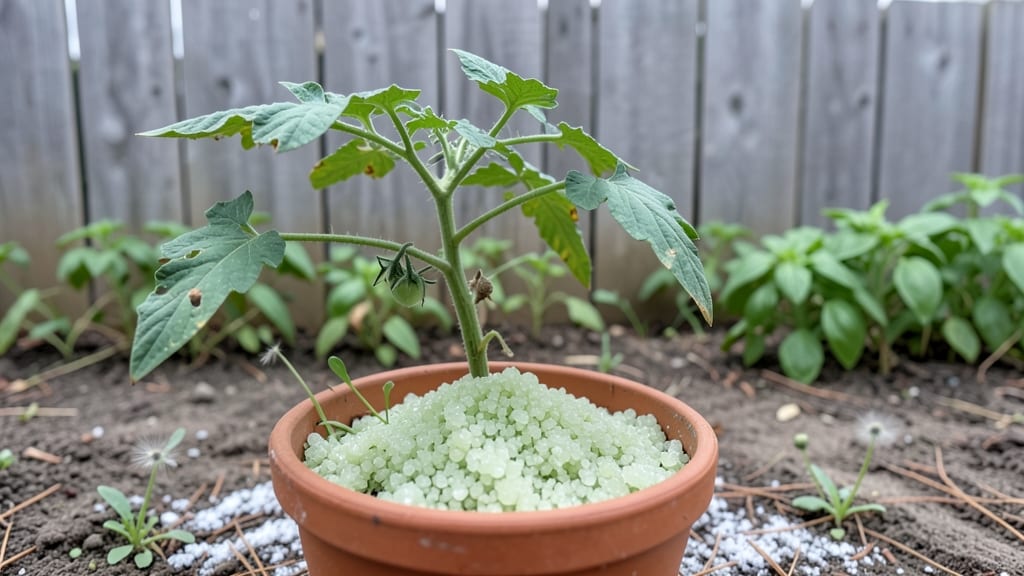
Chlorine and plants can cause serious damage when water levels exceed 1 ppm, leading to leaf burn, stunted growth, or root failure. Always allow tap water to sit uncovered for 24 hours or use a dechlorination method before watering houseplants or garden beds.
Chlorine’s real danger lies in its oxidative properties—it disrupts cellular membranes and blocks nutrient uptake, especially in delicate plants like ferns or orchids. 🌱 Even hardy varieties suffer when exposed repeatedly, showing brown leaf tips or yellowing within days.
I’ve seen gardeners unknowingly kill prized plants by watering with untreated city water, so testing your tap water’s chlorine content (with a simple test strip) is a game-changer.
For a quick fix, baking soda (1 teaspoon per gallon) neutralizes chlorine effectively, while hydrogen peroxide (3%) at a 1:10 dilution doubles as a sterilizer. Rainwater collection systems work beautifully for outdoor plants, but distilled water can harm roots long-term by stripping essential minerals.
Always balance safety with practicality—your plants will thank you!
💡 In This Article
- How Chlorine Affects Plant Cells and Growth
- Safe Water Treatment Methods for Houseplants and Gardens
How chlorine affects plant cells and growth
Chlorine's damage begins at the cellular level, where it acts as an oxidizing agent that disrupts the delicate lipid bilayer of plant cell membranes. When chlorine concentrations exceed 1 ppm, it reacts with organic compounds in plant tissues, creating free radicals that break down membrane integrity.
This damage prevents cells from maintaining proper water balance, leading to visible symptoms like crispy leaf edges or wilting within 24-48 hours. The effect is particularly severe in plants with thin, delicate leaves like ferns or orchids, whose cells lack the protective waxy cuticle found on tougher varieties.
At the root level, chlorine interferes with nutrient absorption by blocking the activity of essential enzymes in the root hairs. These microscopic structures are responsible for taking up water and minerals like nitrogen and potassium.
Studies show that even 0.5 ppm chlorine can reduce nutrient uptake by 15-20%, while levels above 2 ppm can completely inhibit root function.
This explains why plants exposed to chlorinated water often show yellowing between veins—a classic sign of nitrogen deficiency—even when receiving adequate fertilizer. 🌿 The roots' inability to absorb nutrients creates a cascading effect, stunting overall growth and weakening the plant's immune system.
Sensitive plants like succulents and tropical orchids react more dramatically because their cells contain higher concentrations of water-storing vacuoles. These vacuoles are particularly vulnerable to chlorine's oxidative effects, causing them to rupture and release their contents.
In contrast, hardy plants like lavender or rosemary have thicker cell walls and more robust antioxidant systems that can neutralize some chlorine damage. However, repeated exposure will eventually overwhelm even the toughest plants, leading to chronic stress symptoms like stunted growth or reduced flowering.
What most gardeners don't realize is that chlorine's effects are cumulative. A single watering with chlorinated water might show no immediate symptoms, but regular exposure builds up in the soil over time.
The chlorine binds to organic matter in the potting mix, creating a slow-release reservoir that continues damaging roots for weeks. This is why many plants show sudden decline after months of seemingly healthy growth—what appeared to be proper care was actually gradual poisoning.
Testing your water regularly with chlorine test strips (costing just $5) can prevent this silent damage.
The good news is that plants have some natural defenses against chlorine. Many species produce glutathione, an antioxidant that helps neutralize oxidative stress. However, this protective mechanism has limits—especially in young plants or those already under stress from poor light or improper drainage.
That's why dechlorinating water before use is always the safest approach, giving your plants the best chance to thrive without internal chemical battles. The key is understanding that chlorine damage isn't just about visible leaf burn—it's a systemic issue that affects every part of the plant's physiology.