Diseases
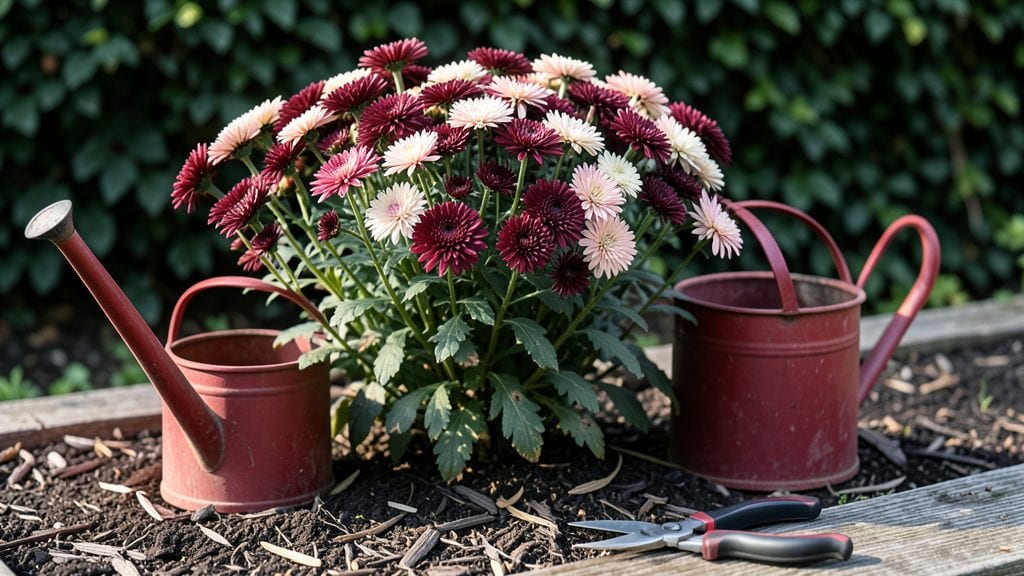
Chrysanthemum plant diseases can turn your showstopping blooms into a sad, spotted mess—unless you catch them early. 🌿 I’ve wrestled with leaf spots, powdery mildew, and rust on my own mums, and I’ll show you how to spot the warning signs before they spread.
The key is acting fast, whether it’s pruning infected leaves or adjusting watering habits.
Most of these problems start with too much moisture or poor airflow—common mistakes even experienced gardeners make. You’ll learn to recognize the fuzzy white of powdery mildew, the rust-colored spots of leaf rust, or the greasy stains of bacterial leaf spot.
Each has a simple fix, from neem oil sprays to copper fungicides, and I’ll walk you through what works best for your climate.
By the end, you’ll be confidently diagnosing issues and treating them before they ruin your plants. No more guessing whether to toss a plant or nurse it back to health—just clear steps to save your chrysanthemums.
The best part? Prevention is easier than you think, and it starts with a few smart habits.
Whether you’re dealing with a single wilting leaf or a full-blown outbreak, this guide covers the most common threats and how to stop them in their tracks. Let’s get your mums thriving again—no more mystery illnesses!
Root Causes Of Chrysanthemum Struggles
Chrysanthemums (Chrysanthemum morifolium) are prized for their vibrant blooms and hardy nature—but when diseases strike, they can wilt faster than a summer afternoon. Understanding why these issues arise is half the battle in prevention and treatment.
Below, we break down the real culprits behind your chrysanthemum’s distress, from microbial invaders to environmental missteps.
Fungi and bacteria are the top villains in chrysanthemum gardens, thriving in damp, crowded conditions. Here’s how they exploit your plants:
- High Humidity + Warmth = Fungal Frenzy
Fungi like Botrytis cinerea (gray mold) and Pythium (root rot) love temperatures between 60–85°F (15–30°C) and humidity above 75%. Poor air circulation—common in dense plantings or greenhouses—traps moisture on leaves, creating the perfect breeding ground. Gray mold spreads via spores, while Pythium attacks roots when soil stays soggy.
- Bacterial Leaf Spot: The Unseen Saboteur
Bacteria like Xanthomonas campestris enter through wounds (e.g., pruning cuts, hail damage) or rain-splashed droplets. They thrive in wet foliage and overhead watering, clogging stomata and causing water-soaked lesions that turn brown and crispy. Unlike fungi, bacteria multiply inside plant tissues, making them harder to eradicate.
- Overwatering: The Silent Accomplice
Chrysanthemums hate "wet feet."
When soil stays saturated, Phytophthora (another water mold) and Rhizoctonia (root-rotting fungus) move in. Symptoms: Yellowing leaves, stunted growth, and roots that smell rotten or turn mushy. Pro Tip: Ensure pots have drainage holes and water only when the top 1–2 inches of soil are dry.
Diseases often piggyback on poor growing conditions. Here’s how your chrysanthemum’s environment sets the stage for trouble:
| Factor | How It Backfires | Fix It Fast |
|---|---|---|
| Poor Airflow | Stagnant air traps moisture, letting fungi spread like wildfire between plants. Crowded gardens or thick foliage block airflow, creating fungal hotspots. | Space plants 12–18 inches apart and prune to improve circulation. |
| Extreme Temperatures | Sudden heatwaves (>90°F/32°C) weaken plants, making them susceptible to heat stress and secondary infections. Cold snaps (below 40°F/4°C) stunt growth, leaving them vulnerable to powdery mildew. | Use shade cloth in summer and mulch in winter to stabilize soil temps. |
| Nutrient Imbalances | Too much nitrogen = lush leaves but weak stems (prone to snapping and fungal entry). Too little phosphorus = poor root health, making plants starved for defense against pathogens. | Test soil and amend with balanced fertilizer (10-10-10) or compost. |
Even the best gardeners make blunders. These common practices unknowingly welcome pests and pathogens:
- Ignoring Debris
Dead leaves, spent blooms, and fallen petals harbor fungal spores and bacterial overwintering stages. Botrytis and powdery mildew lie dormant in organic matter until conditions are ripe for a comeback.
- Reusing Contaminated Tools
Pruners, trowels, and gloves can transfer pathogens from infected to healthy plants. Pseudomonas bacteria, for example, hitchhike on damp tools, causing bacterial blight in new cuts.
- Overhead Watering
Splashing water launches spores onto leaves, turning irrigation into a disease delivery system. Alternaria leaf spot thrives this way, creating target-like lesions.
- Skipping Crop Rotation
Planting chrysanthemums in the same spot year after year exhausts soil and leaves behind pathogen reservoirs. Verticillium wilt, a soil-borne fungus, builds up in infected roots, making future plantings high-risk.
💡 Key Takeaway: Most chrysanthemum diseases are opportunistic—they exploit weaknesses caused by poor growing conditions. By addressing humidity, airflow, watering habits, and sanitation, you starve out 80% of potential problems before they start.
How to Treat Common Chrysanthemum Ailments
When your chrysanthemums start showing signs of distress, acting quickly can save your plants and keep your garden thriving. Below are practical, step-by-step solutions for the most common chrysanthemum diseases, tailored to their causes.
Prevention tips are included to stop future outbreaks—because an ounce of care is worth a pound of cure!
1. Powdery Mildew (White Fuzzy Coating) 🔥 Fix It:
- Remove infected leaves immediately with clean pruners (sterilize with rubbing alcohol between cuts).
- Apply a fungicide like neem oil (1 tbsp per quart of water) or a sulfur-based spray (follow label instructions).
Reapply every 7–10 days until symptoms disappear. - Improve airflow by spacing plants 12–18 inches apart and pruning nearby foliage that blocks sunlight.
💡 Prevention Tip:
- Water at the base in the morning to let leaves dry quickly.
- Choose resistant varieties like ‘Bonanza’ or ‘Bright Golden Anne’ if mildew is recurrent.
2.
Leaf Spot (Brown/Black Spots with Yellow Halos) 🍳 Treat It: - Prune and dispose of infected leaves in the trash (not compost)—don’t let them fall on soil. - Spray with copper fungicide (e.g., Bordeaux mixture) or a baking soda solution (1 tsp baking soda + 1 quart water + a drop of dish soap) every 10–14 days. - Water only the soil, avoiding wet foliage.
🌡️ Prevention Tip:
- Rotate crops—don’t plant chrysanthemums in the same spot yearly.
- Clean tools with bleach (1 part bleach to 9 parts water) after each use.
3.
Rust (Orange Pustules on Undersides of Leaves) 👨🍳 Eradicate It: - Collect and destroy all infected leaves (burn or bag them). - Use a fungicide with myclobutanil (e.g., Immunox) or potassium bicarbonate spray (2 tbsp per gallon of water). - Avoid overhead watering—use drip irrigation or soaker hoses instead.
✨ Prevention Tip:
- Mulch heavily (2–3 inches) to reduce spore splash from soil.
- Plant in full sun—rust thrives in shady, humid conditions.
4.
Aphids (Sticky Sap, Curled Leaves) 🔪 Blast Them Away: - Spray with soapy water (1 tsp mild dish soap + 1 quart water) directly on pests (repeat every 3–4 days). - Introduce ladybugs or lacewings—they’re natural aphid predators! - Wipe leaves with a damp cloth to remove honeydew (aphid waste).
🎯 Prevention Tip:
- Plant marigolds nearby—their scent repels aphids.
- Inspect new plants before bringing them indoors or into the garden.
5.
Spider Mites (Tiny Webs, Speckled Leaves) 🕷️ Outsmart Them: - Blast mites off with a strong water spray (early morning or evening). - Apply horticultural oil (like Neem oil) or insecticidal soap (follow package rates). - Increase humidity slightly with a mist system or pebble tray (mites hate moisture).
💡 Prevention Tip:
- Dust leaves occasionally with kaolin clay (a natural barrier).
- Avoid broad-spectrum pesticides—they kill beneficial insects that eat mites.
6. Overwatering or Poor Drainage (Yellowing, Wilting)
💧 Fix the Water Woes:
- Check soil moisture—stick your finger 1 inch deep; water only if dry.
- Improve drainage by amending soil with perlite or sand (20% mix).
- Repot if needed into a container with drainage holes.
🌱 Prevention Tip:
- Use raised beds if your garden soil is clay-heavy.
- Mulch with straw to retain moisture without waterlogging.
7. Nutrient Deficiencies (Pale Leaves, Stunted Growth) 🍎 Boost Their Diet:
Test soil pH (ideal: 6.0–6.5 for chrysanthemums).
Adjust with lime (to raise pH) or sulfur (to lower pH). - Fertilize with a balanced 10-10-10 or slow-release granular at planting, then every 4–6 weeks. - Add compost (1–2 inches) around the base for organic nutrients.
📊 Prevention Tip:
- Avoid over-fertilizing—too much nitrogen causes weak, disease-prone plants.
- Use foliar sprays (like seaweed extract) for quick micronutrient fixes.
- Rotate plant families (e.g., don’t grow chrysanthemums in the same spot for 3+ years).
- Sterilize tools between plants to prevent cross-contamination.
- Remove weeds—they harbor pests and diseases.
- Buy certified disease-free plants from reputable nurseries.
Remember: Early action is key! The moment you spot symptoms, isolate the plant, identify the issue, and apply the fix. With these strategies, your chrysanthemums will bounce back—and stay healthy for their next bloom! 🌼💪
Frequently asked questions
Why do my chrysanthemum leaves turn yellow even with regular watering?
Yellowing leaves often signal overwatering or nutrient deficiencies. Check soil moisture—chrysanthemums prefer dry topsoil between waterings. If roots smell rotten, you’ve got root rot from poor drainage. Amend soil with perlite or repot into containers with drainage holes. For yellowing without rot, test soil pH (6.0–6.5) and fertilize with a balanced 10-10-10 mix every 4–6 weeks.
Can I save a chrysanthemum plant with powdery mildew?
Yes! First, prune off all infected leaves (don’t compost them). Spray with neem oil (1 tbsp per quart of water) or a sulfur-based fungicide every 7–10 days until the white coating disappears. Improve airflow by spacing plants 12–18 inches apart and watering at the base in the morning. Resistant varieties like ‘Bright Golden Anne’ are great for humid climates.
How do I tell if my chrysanthemum has rust or leaf spot?
Rust shows as orange pustules on leaf undersides, while leaf spot creates brown/black spots with yellow halos on both sides. For rust, destroy infected leaves and apply myclobutanil fungicide. For leaf spot, use copper fungicide or a baking soda spray (1 tsp baking soda + 1 quart water). Both thrive in wet conditions, so avoid overhead watering and water only at soil level.
Will neem oil work on bacterial leaf spot?
Neem oil is not effective against bacterial infections like leaf spot. Bacteria multiply inside plant tissues, while neem oil targets fungi and some pests. For bacterial leaf spot, use copper-based fungicides (like Bordeaux mixture) or a baking soda solution. Remove infected leaves immediately and sterilize tools with bleach to prevent spread.
How often should I fertilize chrysanthemums to prevent diseases?
Fertilize every 4–6 weeks during the growing season with a balanced 10-10-10 fertilizer. Too much nitrogen makes plants weak and disease-prone, while too little phosphorus weakens roots. Test soil pH (ideal: 6.0–6.5) and amend with compost or lime if needed. Avoid fertilizing in hot, dry weather—it stresses plants and invites pests.