Diseases
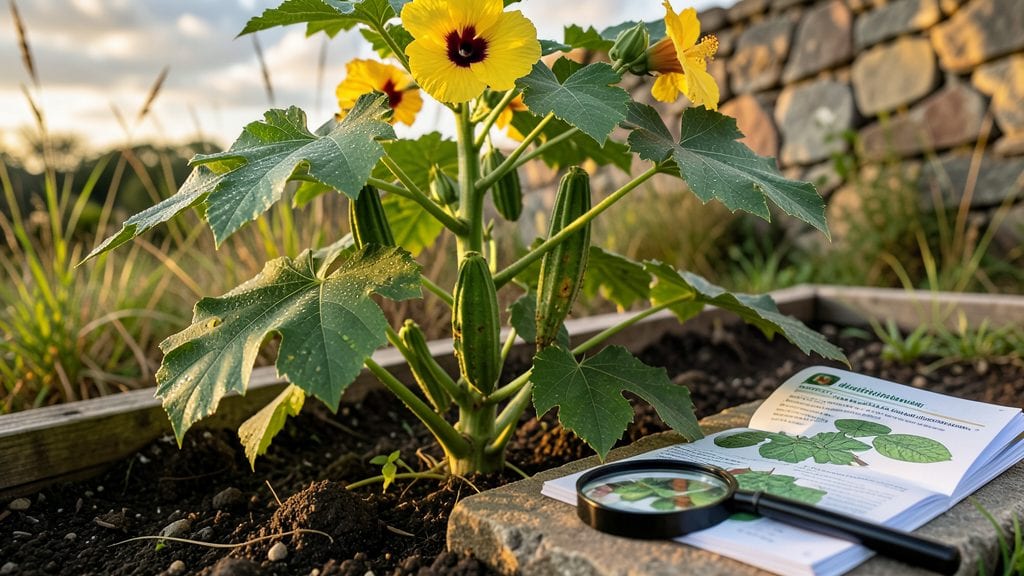
Okra plant diseases can turn your thriving crop into a sad, slimy mess if you don’t catch them early. 🌱 I’ve seen powdery mildew turn velvety green pods into gray fuzzballs overnight, and bacterial blights rot stems so fast they collapse by noon.
The good news? Most of these problems start with simple fixes—like spacing plants right or watering at the base instead of overhead.
Fungal diseases like powdery mildew and leaf spot love warm, humid conditions, while bacterial blights strike when rain or overhead watering keeps foliage damp. The key is prevention: choose disease-resistant varieties, rotate crops yearly, and avoid working in the garden when plants are wet.
If you spot yellow spots or strange growths, act fast—prune infected leaves immediately and toss them in the trash (not compost).
For organic control, a mix of neem oil and baking soda spray (1 tablespoon each per gallon of water) stops mildew in its tracks. For bacterial issues, copper fungicide works—but only as a last resort.
The real secret? Healthy soil. Okra thrives when planted in well-draining beds with plenty of compost, so focus on that first.
This isn’t just about saving plants—it’s about keeping your harvest bold, crisp, and productive all season. Once you spot the early warning signs, you’ll never ignore that first suspicious leaf again. Let’s get your okra back to its best before the blights take over.
Why it happens
Okra plants, with their vibrant green pods and resilient nature, can quickly fall victim to a variety of diseases—often leaving gardeners baffled by their sudden decline. But why do these issues arise in the first place?
Understanding the root causes helps you take proactive steps to protect your crop. Below, we break down the key factors that turn a thriving okra patch into a battleground for pathogens.
🌱 Fungal Pressure From Warm, Humid Conditions
Fungi like Phytophthora, Fusarium, and Alternaria thrive in the same conditions that okra loves: warm temperatures (75–90°F) and high humidity.
When nights stay damp or rainwater pools around plants, fungal spores germinate and infect leaves, stems, or roots. Overhead irrigation worsens the problem by splashing spores onto foliage, creating a perfect breeding ground.
Even well-drained soil can become a fungal hotspot if organic matter (like mulch) stays too wet, suffocating roots and inviting root rot.
🦠 Bacterial Spread Through Wounds And Water
Bacterial diseases such as Xanthomonas campestris (causing bacterial leaf spot) and Pseudomonas syringae exploit tiny openings in okra plants—whether from insect bites, pruning cuts, or even wind damage.
Once inside, bacteria multiply rapidly in moist conditions, clogging plant vessels and disrupting nutrient flow. Contaminated water (from reused containers or standing water in garden beds) also acts as a highway for bacterial spread.
Unlike fungi, bacteria don’t need organic matter to thrive; they latch onto plant tissues directly, making them harder to eradicate once established.
🌿 Poor Air Circulation And Crowded Plants
Okra plants need space—not just for sunlight but for airflow.
When vines grow too close together, humidity lingers between leaves, creating a greenhouse effect that traps spores and bacteria. Monoculture planting (growing okra in the same spot year after year) further exacerbates the issue by depleting soil microbes that naturally suppress pathogens.
Even healthy okra becomes stressed when competing for nutrients, weakening its defenses against invaders. Pruning dead leaves and thinning plants can help, but if airflow remains stagnant, diseases like powdery mildew or downy mildew will take hold.
🌡️ Temperature And Soil Imbalances
Okra is a tropical plant, but extreme heat or sudden temperature swings stress it out, making it more susceptible to disease. Soil pH imbalances (especially alkaline soil, pH >7.0) also play a role—okra prefers slightly acidic to neutral soil (pH 6.0–6.8).
When soil pH drifts, beneficial microbes die off, while harmful fungi like Pythium (which causes damping-off in seedlings) flourish. Excess nitrogen in fertilizers may boost leafy growth but weakens structural strength, leaving stems vulnerable to cracking and infection.
🌱 Contaminated Seeds Or Transplants
Not all okra diseases start in the soil. Seedborne pathogens, such as Curvularia or Colletotrichum, can hitch a ride from infected seeds or nursery transplants, giving your crop a head start on disaster.
Even if seeds look healthy, surface contamination from fungal spores can activate once planted. Reusing old seedling trays without sterilization is another common culprit—leftover organic debris provides a feast for pathogens waiting to infect new plants.
🐛 Pest Damage Weakens Defenses
Insects like aphids, thrips, and spider mites don’t just sap plant sap—they injure tissues, creating entry points for diseases.
For example, aphids excrete honeydew, a sticky residue that fosters sooty mold, while thrips scar leaves, making them more prone to fungal infections. Root-feeding grubs (from beetles or cutworms) compromise the plant’s ability to absorb water and nutrients, further stressing okra and inviting secondary infections.
Pro Tip: 💡 Rotate crops annually and test soil pH before planting to starve out persistent pathogens. Even a small change—like switching from overhead to drip irrigation—can drastically reduce fungal pressure. The key is breaking the disease cycle before it starts.
Fixing Okra Plant Problems Fast
Okra plants may look tough, but fungal and bacterial diseases can weaken them quickly—if left unchecked. The good news? Most issues have simple, actionable fixes that can save your crop. Below, we’ve mapped the most common causes to practical solutions, including prevention tips to keep your okra thriving.
Fungi thrive in damp, warm conditions, so early action is key. Here’s how to tackle the most common offenders:
🔥 Powdery Mildew: Scrub & Spray
Cause: White, powdery spots on leaves (usually from poor airflow or humidity). Fix:
- Remove infected leaves immediately—don’t compost them (bag and trash instead).
- Spray with a homemade remedy: Mix 1 tsp baking soda + 1 tbsp neem oil + 1 tsp dish soap in 1 quart of water.
Apply in the early morning or evening to avoid burning leaves. - Improve airflow by spacing plants 18–24 inches apart and pruning crowded foliage. - Prevent recurrence: Apply copper fungicide (like Cupric Hydroxide) every 7–10 days during humid seasons.
💡 Pro Tip: Reflective mulch (like aluminum foil) under plants can reduce humidity near the soil, deterring mildew.
🍳 Leaf Spot (Alternaria/Cercospora): Clean & Protect
Cause: Dark, circular spots with yellow halos (often from splashing water or old debris). Fix:
- Pick off and destroy spotted leaves—do not leave them on the ground.
- Water at the base (not overhead) to keep leaves dry.
Use a soaker hose or drip irrigation. - Apply a fungicidal spray like chlorothalonil (follow label rates) or a garlic-based fungicide (natural but less potent). - Rotate crops—don’t plant okra in the same spot next year (wait 2–3 years).
🌡️ Hot Tip: Morning watering gives leaves time to dry before evening humidity sets in.
👨🍳 Charcoal Rot: Save the Roots
Cause: Black, sunken lesions on stems and roots (common in hot, dry soil). Fix:
- Pull infected plants and sterilize tools with rubbing alcohol between uses.
- Improve soil drainage by amending with compost or perlite—charcoal rot loves waterlogged roots.
- Rotate crops (avoid planting okra or related plants like tomatoes in the same bed for 3 years).
- Use resistant varieties like ‘Clemson Spineless’ if your area is prone to this disease.
✨ Prevention Power Move: Mulch heavily with straw to keep soil temp stable and reduce stress.
Bacteria spread fast—once they take hold, recovery is tough. Here’s how to fight back:
🥘 Bacterial Leaf Spot: Sterilize & Isolate
Cause: Water-soaked, greasy spots that turn yellow/brown (often from contaminated water or tools). Fix:
- Remove and destroy infected plants immediately—bacteria spread via wind and water.
- Sterilize pruners with 70% isopropyl alcohol between cuts.
- Avoid overhead watering—use drip irrigation to keep leaves dry.
- Apply copper-based bactericide (like Copper Sulfate) every 10–14 days during wet seasons.
- Isolate new plants for 2 weeks before transplanting to monitor for symptoms.
🎯 Game-Changer: Solarize the soil (cover with clear plastic for 4–6 weeks in hot sun) to kill bacterial spores before replanting.
🔪 Bacterial Blight: Quarantine & Replace
Cause: Wilting, yellowing leaves with oozing bacterial lesions (often fatal if unchecked). Fix:
- Dig up and destroy infected plants—do not compost.
- Disinfect the area with a 10% bleach solution (1 part bleach to 9 parts water).
- Replace soil in the infected spot (bacteria persist in old soil).
- Plant resistant varieties like ‘Emerald’ or ‘Perennial Okra’ if blight is recurrent.
- Avoid working with plants when they’re wet (bacteria spreads via hands/tools).
🚨 Emergency Alert: If blight hits, stop watering until plants recover to reduce spread.
The best defense is a strong, stress-free plant. Follow these year-round tips to minimize disease risk:
- 🌿 Choose disease-resistant varieties (e.g., ‘Jumbo Green’, ‘Burgundy’).
- 💧 Water deeply but infrequently—okra prefers 1–1.5 inches per week (check soil moisture).
- 🍂 Clean up debris after harvest—remove old pods, leaves, and weeds.
- 🔄 Rotate crops—never plant okra in the same spot two years in a row.
- 🌡️ Monitor soil pH (ideal: 6.0–6.8)—test with a kit and amend if needed.
- 🛡️ Use row covers early in the season to block fungal spores from overhead.
Final Reminder: The sooner you act, the better your chances of saving your okra! Check plants weekly during growing season, and act at the first sign of trouble. With these fixes, your okra should bounce back—and stay healthy—for a bountiful harvest. 🌱💪
Frequently asked questions
Why do my okra leaves suddenly turn yellow and crispy?
Yellowing and crispy leaves usually signal powdery mildew or bacterial blight. Check for white powdery spots (mildew) or water-soaked lesions (bacteria). The culprit is often high humidity or overhead watering—switch to drip irrigation and space plants 18–24 inches apart to improve airflow.
Can I save my okra plants if they already have black spots on the stems?
Black sunken lesions on stems mean charcoal rot, a fungal disease that spreads fast. Remove infected plants immediately, sterilize tools with rubbing alcohol, and improve soil drainage by adding compost or perlite. For next season, rotate crops and choose resistant varieties like ‘Clemson Spineless.’
How do I know if my okra disease is fungal or bacterial?
Fungal diseases (like powdery mildew or leaf spot) show up as powdery growths or dark spots with yellow halos. Bacterial issues (like blight) create greasy, water-soaked lesions that ooze. Fungi thrive in damp conditions, while bacteria spread through wounds—sterilize tools and avoid wet foliage to prevent both.
Is it safe to compost okra leaves with fungal diseases?
Never compost diseased plant material—it spreads spores and bacteria! Bag infected leaves in plastic and toss them in the trash. Fungal spores can survive composting, and bacteria may linger in heat-sensitive piles. Always sterilize containers if reusing them for healthy plants.
What’s the best natural remedy for okra leaf spot?
Mix 1 tablespoon neem oil + 1 teaspoon baking soda + 1 teaspoon dish soap in 1 gallon of water for a DIY spray. Apply in the early morning or evening to avoid leaf burn. For severe cases, rotate with a garlic-based fungicide (3 crushed cloves per gallon) every 7–10 days.