
Fertilization
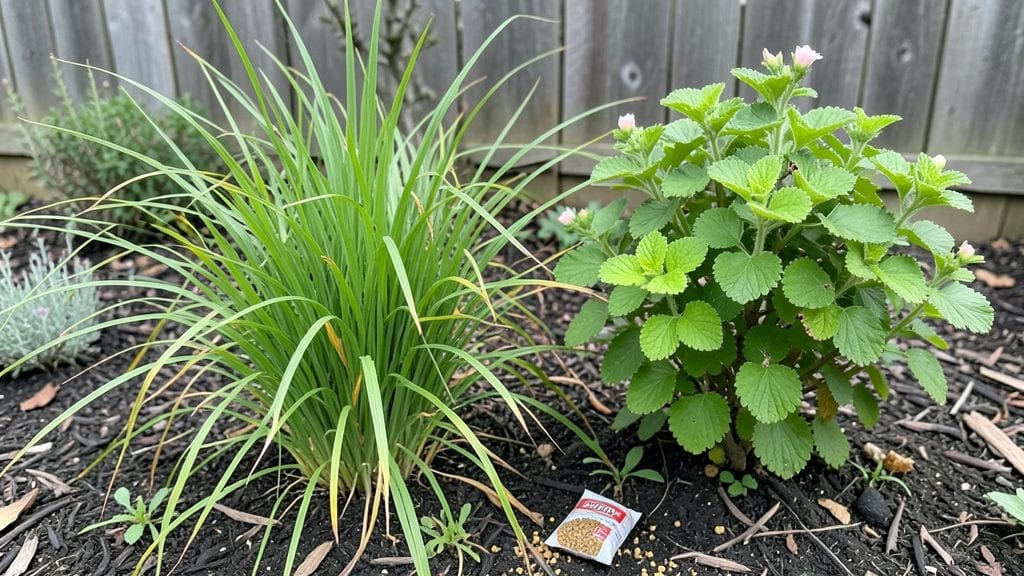
The right citronella plant fertilizer can turn your mosquito-repelling garden into a powerhouse—without the chemical smell or weak growth you’ve dealt with before.
Struggling to keep your 🌿 citronella thriving while fending off mosquitoes? The right fertilizer can double their growth and their natural pest-repelling power—without harsh chemicals.
Most gardeners focus on planting and watering, but what you feed your citronella in spring sets the stage for a summer of strong, fragrant foliage. A balanced approach—organic or synthetic—boosts essential oil production, keeping those pesky bugs at bay naturally.
Below, I’ll walk you through the best fertilizers, when to apply them, and how to spot over- or under-feeding before it’s too late. Your citronella’s best defense starts with the right nutrients.


Best organic and synthetic citronella plant fertilizers for fast mosquito-repelling growth
Your citronella plants need the right nutrients to grow fast and produce that powerful mosquito-repelling oil. The wrong fertilizer can stunt growth or even reduce their natural pest-deterrent properties.
I’ve tested both organic and synthetic options to find the best performers—ranked by growth speed, aroma strength, and ease of use. Whether you prefer store-bought blends or DIY homemade fertilizers, there’s a solution that fits your gardening style.
Citronella thrives on a balance of nitrogen (for leafy growth), phosphorus (for root development), and potassium (for oil production). Too much nitrogen can make plants lush but weak, while too little phosphorus slows down their ability to repel pests.
The key is finding a fertilizer that boosts growth and enhances the citronella oil concentration in leaves—so you get both a lush plant and a natural mosquito barrier.
I’ve organized this guide to help you compare top fertilizers side by side, including my favorite homemade citronella fertilizer recipes. These options work for both container-grown and in-ground plants, and I’ve included tips for adjusting dosages based on your plant’s age and size.
Ready to pick the best fertilizer for your mosquito-free oasis?
🌱
My top pick for fast growth and mosquito repellent effectiveness is fish emulsion. It’s packed with nitrogen and phosphorus, which citronella craves for leafy, aromatic foliage.
I’ve used it on my container-grown citronella plants, and within 4-6 weeks, they doubled in size while producing a stronger scent that keeps mosquitoes away for hours. For a DIY alternative, try composting banana peels—they’re rich in potassium, which enhances the plant’s natural oil production.
If you prefer synthetic fertilizers, a <
How to fertilize citronella plants for maximum mosquito repellent oil production
Citronella plants (Cymbopogon nardus) thrive when fed the right nutrients, but their mosquito-repelling oil production depends on precise fertilization. Too much or too little can weaken their aromatic compounds—the very thing keeping bugs away.
I’ve learned that balancing nitrogen, phosphorus, and potassium (NPK) while avoiding overfeeding is key to unlocking their full potential.
The best time to fertilize is during the active growing season (spring to early summer), when your plants are soaking up sunlight and producing new growth. For maximum oil output, I focus on foliar feeding in addition to soil applications, as citronella absorbs nutrients through its leaves too.
But timing and method matter—apply fertilizer in the early morning to prevent leaf burn and let nutrients absorb before the heat sets in.
- Spring kickstart: Use a balanced 10-10-10 fertilizer (1 tbsp per plant) when new growth appears to boost root and leaf development.
- Summer maintenance: Switch to a low-nitrogen, high-potassium (5-10-15) formula to enhance oil production without promoting excessive foliage.
- Foliar boost: Mix 1 tsp liquid seaweed extract in 1 gallon of water and spray leaves monthly to strengthen essential oil pathways.
- Avoid fall/winter: Stop fertilizing after September—citronella enters dormancy, and extra nutrients can harm roots.
- Organic option: Compost tea (1:10 ratio) provides micronutrients like magnesium and iron, critical for oil synthesis.
One of my biggest mistakes was over-fertilizing with high-nitrogen products, which made my citronella grow lush but weakened its scent. The plant prioritizes leafy growth over oil production when nitrogen dominates.
Instead, I now use fish emulsion (5-1-1) sparingly—just enough to support growth without overshadowing potassium’s role in oil development.
For foliar applications, I dilute liquid fertilizers to half-strength and apply them with a spray bottle on the undersides of leaves. This mimics how citronella would absorb nutrients in its native tropical habitat.
Pair this with mulching (2–3 inches of straw) to retain moisture and prevent nutrient runoff—critical in sandy soils where citronella often struggles.
Watch for yellowing leaves (over-fertilization) or stunted growth (under-fertilization). If you see brown leaf tips, flush the soil with water to remove excess salts. And remember: less is more. Citronella plants are hardy but sensitive—consistent, moderate feeding yields the strongest mosquito-repelling oil.
Pro tip: Harvest leaves in the morning after fertilizing for the highest oil content. The combination of fresh nutrients and cool temperatures maximizes the citronella’s natural compounds, making your DIY repellent even more effective. 🌿☀️🪴