
Planting
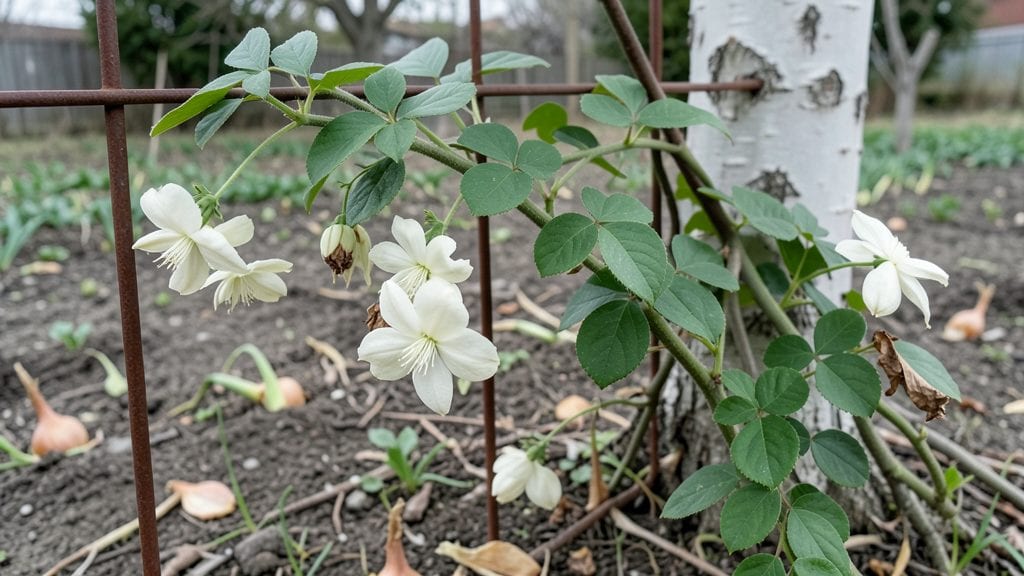
Mastering clematis plant identification begins with leaf shape and vine structure—two clues that reveal everything you need to know about care. 🌿 I’ve spent years untangling clematis vines, and the moment I learned to read their leaves and growth habits, my pruning mistakes dropped to zero.
A single leaf can tell you whether you’re dealing with a delicate Clematis montana or a hardy Clematis viticella—and that knowledge changes how you support, prune, and feed them.
The key is matching leaf texture and vine thickness to the plant’s needs. Clematis armandii has thick, leathery leaves and woody stems, while Clematis montana grows thin, almost papery leaves with a lighter, airier vine.
These differences aren’t just interesting—they determine whether your plant thrives on a trellis, a fence, or a sturdy arbor. A vine that can’t support its own weight will flop, no matter how much you water it.
Once you recognize these patterns, you’ll see why some clematis bloom in spring and others wait until summer. The leaf shape even hints at disease resistance—thicker leaves handle humidity better, while delicate ones need shelter from rain.
By the time you finish this guide, you’ll spot the right pruning cuts, the best support structures, and the ideal sunlight spots just by looking at the vine’s architecture.
This works for every variety, from climbing giants to dwarf types. Whether you’re revamping an old garden or starting fresh, knowing these details saves time, money, and frustration. Let’s get those vines identified—and growing like crazy.
Mistakes in Plant Recognition
When it comes to clematis plant identification, misidentifying a vine can happen for several key reasons. Understanding these causes helps gardeners avoid confusion and ensure they’re caring for the right plant. Here’s why mistakes occur—and how to avoid them:
Clematis plants share many physical characteristics, like divided leaves, climbing vines, and bell-shaped flowers, making them tricky to distinguish at first glance.
For example: - Clematis montana and Clematis armandii both have oval leaves and white flowers, but their leaf arrangement (alternate vs. whorled) and flower timing (spring vs. early spring) differ. - Clematis viticella and Clematis recta may look similar in foliage, but recta’s upright growth habit and viticella’s trailing vines set them apart.
Pro Tip: 🔍 Examine the leaf shape, flower structure, and growth pattern—small details often reveal the true identity.
Clematis leaves, flowers, and vines change dramatically throughout the year, leading to misidentification if observed at the wrong time:
- Spring: New shoots emerge, but flowers may not yet be visible.
- Summer: Full foliage and blooms appear, making traits easier to spot.
- Fall/Winter: Many clematis varieties drop leaves or enter dormancy, leaving only bark texture or bud shapes for clues.
Actionable Fix: 📅 Take notes or photos in spring and summer when key traits are most visible.
Some plants mimic clematis but aren’t in the same family.
Common look-alikes include: | Plant | Key Difference | Why It’s Mistaken For Clematis | |---------------------|---------------------------------------------|---------------------------------------------| | Honeysuckle | Tubular flowers, opposite leaves | Similar climbing habit | | Virginia Creeper| Palmately lobed leaves, no flowers | Resembles clematis foliage | | Ivy | Evergreen, simple leaves | Climbing growth pattern |
Quick Check: 🌿 Clematis always has compound leaves (multiple leaflets per stem) and never has simple, lobed leaves like ivy.
Terms like "ternate," "palmate," or "pinnate" can be confusing if you’re not familiar with them.
For example: - Ternate leaves (3 leaflets per stem) are common in Clematis montana, while palmate leaves (leaflets radiating from one point) appear in Clematis florida. - Pinnate leaves (leaflets along a central stem) are seen in Clematis viticella.
Solution: 📖 Use a clematis identification chart or app (like iNaturalist) to cross-reference terms with images.
Drought, poor soil, or pests can distort leaf shape, stunt growth, or reduce flowering, making identification harder. For instance:
- Yellowing leaves (chlorosis) may hide true leaf color.
- Stunted vines can make growth habits harder to assess.
Fix: 💧 Ensure proper watering, well-draining soil, and regular pruning to maintain natural traits.
Online images can be misleading—some photos show only flowers or leaves, ignoring critical details like:
- Stem texture (hairy vs. smooth)
- Bud arrangement (single vs. clustered)
- Root structure (rhizomatous vs. woody)
Best Practice: 📷 Compare your plant to multiple high-quality images and note all visible traits, not just flowers.
By recognizing these common pitfalls, you’ll sharpen your clematis plant ID skills and avoid costly mix-ups in care and pruning!
Quick fixes for clematis care
Got a clematis that’s not thriving? Don’t panic—most issues have simple, effective solutions. Below, we’ve mapped common problems to step-by-step fixes, so you can revive your vine and keep it flourishing. Prevention tips are included to stop future headaches!
Your clematis might be thirsty, overwatered, or battling root rot. Here’s how to diagnose and fix it:
- 🔥 Check the Soil: Stick your finger 2 inches into the soil. If it’s bone-dry, water deeply until moisture reaches 6 inches down. If soggy, hold off on watering.
- 🍳 Improve Drainage: If your clematis is in a pot, add perlite or sand to the soil mix. For garden beds, amend the soil with compost to boost aeration.
- 🌡️ Monitor Watering: Clematis prefers consistent moisture, not soggy roots. Water at the base in the morning to reduce fungal risks.
💡 Prevention Tip: Mulch around the base with organic material (like wood chips) to retain moisture and regulate soil temperature.
Chewed leaves or tiny webs? Pests are likely the culprits. Act fast with these remedies:
- 👨🍳 Handpick or Trap: For slugs, set out beer traps (bury a shallow dish filled with beer) or handpick them at night. For spider mites, spray leaves with a strong jet of water to dislodge them.
- 🔪 Natural Sprays: Mix 1 tsp of dish soap with 1 quart of water and spray on affected areas. Repeat every 3–4 days until pests vanish.
- ✨ Prevent Future Infestations: Encourage beneficial insects like ladybugs by planting companion flowers (e.g., marigolds or nasturtiums). Prune regularly to improve airflow.
This often signals underwatering, salt buildup, or winter damage. Try these fixes:
- 💧 Water Deeply: If the soil is dry, soak the root zone thoroughly. Use rainwater or filtered water to avoid salt buildup from tap water.
- 🌡️ Adjust Humidity: In dry climates, mist leaves lightly in the morning or use a pebble tray under the pot to increase humidity.
- 🔥 Winter Protection: If frost is the issue, wrap the vine in burlap or mulch heavily around the base. Avoid pruning until spring.
💡 Prevention Tip: Group clematis with other plants to create a microclimate that retains moisture and reduces stress.
Even healthy vines can skip blooms. The fix depends on the cause:
- ⏰ Prune at the Right Time:
- Group 1–2 (early bloomers): Prune right after flowering to avoid cutting off next year’s buds.
- Group 3 (late bloomers): Prune in early spring to encourage new growth.
- 🌞 Ensure Full Sun: Clematis needs 6+ hours of sunlight daily. If shaded, move it to a sunnier spot or trim nearby trees.
- 🍽️ Feed Regularly: Use a balanced fertilizer (like 10-10-10) in early spring and again after flowering. Avoid high-nitrogen fertilizers—they promote leaves over blooms.
💡 Prevention Tip: Deadhead spent blooms (remove faded flowers) to redirect energy into new growth.
With these fixes, your clematis should bounce back in no time! Remember, consistency is key—whether it’s watering, pruning, or pest control. Happy gardening! 🌸
Frequently asked questions about identifying clematis plants
How do I tell the difference between Clematis montana and Clematis armandii?
Clematis montana has delicate, almost papery leaves with ternate leaflets (3 per stem) and blooms in late spring. Clematis armandii features thicker, leathery leaves with palmate arrangement (5-7 leaflets) and flowers in early spring. The key difference is leaf texture and bloom timing—montana is more tender, while armandii is hardier.
Can I identify clematis just by looking at the leaves?
Yes, but you need to examine leaf arrangement, shape, and texture. For example, Clematis viticella has pinnate leaves (leaflets along a central stem), while Clematis florida features palmate leaves (leaflets radiating from one point). Combine leaf traits with flower structure and growth habit for accurate identification. A magnifying glass helps spot subtle differences!
What’s the best time of year to identify clematis?
Spring and summer are ideal because that’s when leaves, flowers, and growth patterns are most visible. In winter, many clematis lose leaves, leaving only bud shapes and bark texture for clues. Take photos in spring and summer to compare later. Early morning light also enhances leaf details for easier observation.
Why does my clematis look like Virginia creeper but isn’t?
Virginia creeper has palmately lobed leaves (5 pointed sections) and no flowers, while clematis always has compound leaves (multiple leaflets per stem) and bell-shaped blooms. Check for climbing tendrils—clematis uses them to grip supports, while Virginia creeper has aerial rootlets. A quick leaf count solves the mystery!
How do I know if my clematis needs pruning based on its type?
Group 1-2 clematis (early bloomers like montana) bloom on previous year’s growth—prune after flowering. Group 3 clematis (late bloomers like viticella) bloom on new growth—prune in early spring. Always leave 2-3 buds per stem. Identifying your group prevents accidental pruning of next year’s blooms!